Crawl Space Water Removal in Duarte, CA
The restoration crew evaluates pooled water beneath raised floors before entering a confined area. Duarte crawl-space work combines safe pumping, source investigation and checks of wet insulation, joists and subfloor materials.
(888) 578-6508Assess the water under the floor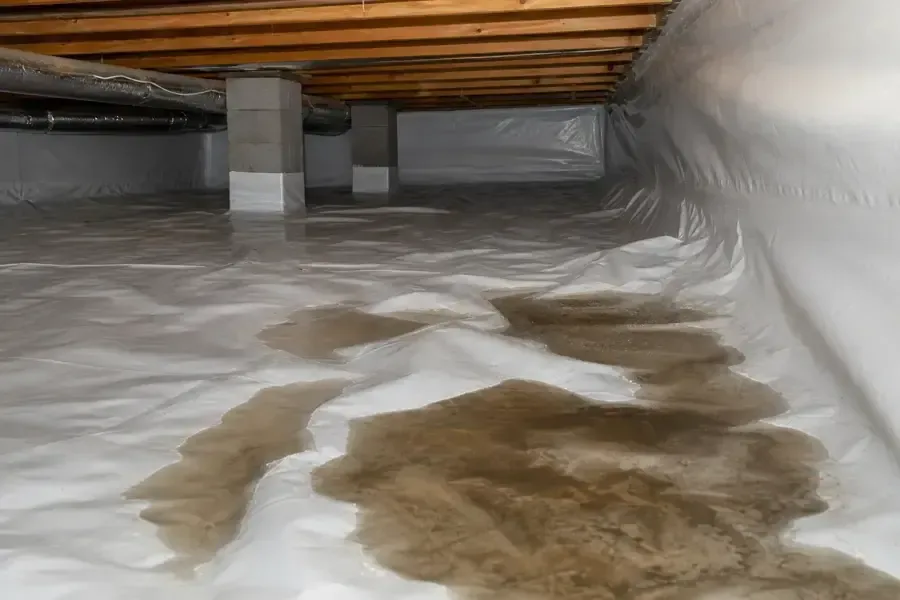
How the crawl space water removal team works
Rapid local response
The response team handles urgent water losses through 24/7 dispatch. The initial discussion identifies active water, unsafe rooms, affected materials and access so the assessment begins with the right priorities.
IICRC S500 drying standard
The drying crew sets material-specific goals using the IICRC S500 standard. Extraction, humidity control and repeated meter readings work together to address moisture beyond a floor that merely looks dry.
Claim-ready documentation
The mitigation team records the source description, room measurements and visible damage before removal. Dated photographs and daily moisture records keep the drying work understandable for the owner and the adjuster.
Local water experts
The restoration assessment distinguishes indoor supply failures from rainwater entry. Technicians inspect the actual wall and floor assembly, explain access needs and keep occupied areas separate from equipment and wet materials.
First steps for crawl space water removal in Duarte
- Stay outside the wet access opening. The household avoids crawling beneath the floor or touching underfloor electrical equipment, leaving entry assessment to professionals with suitable equipment and procedures.
- Describe the timing of the water. The caller notes whether pooling followed rain or continued during dry weather, along with any known plumbing leak or recent source repair.
- Keep the hatch route clear. The owner identifies the access location and clears only safe, dry obstructions nearby so the team can evaluate entry without disturbing wet materials.
- Document upper-floor symptoms. Damp floor edges, changed boards and room humidity observations help the technician compare the occupied space with the underfloor moisture pattern.
What does crawl space water removal cost in Duarte, CA?
Crawl space water removal in Duarte often ranges from $1,500 to $5,500, with difficult access or contaminated insulation increasing the scope. Pumping volume, entry restrictions, removal work and the affected joist and subfloor area determine the mitigation cost.
Accessible pooled water
- Entry and source assessment
- Controlled pumping
- Initial framing readings
Insulation and wood exposure
- Wet material handling
- Directed underfloor airflow
- Daily subfloor monitoring
Complex underfloor loss
- Restricted equipment access
- Contamination controls
- Broader framing and floor work
Documentation for your insurance claim
The restoration team records a moisture map, daily psychrometric logs, timestamped pre-demolition photos, water category and material class. A line-item scope explains the equipment and removal work. Sudden accidental leaks, long-running damage, sewer backups and outdoor floods have different policy terms. The homeowner checks coverage with the insurer. The Duarte water damage cost calculator offers a planning range; category, square footage, material class and drying delay shape the actual scope.
The crawl space water removal process
Assess entry and source conditions
The technician evaluates the hatch route, water condition and underfloor hazards, then identifies source-control needs before a crew enters or places pumping equipment.
Remove pooled water and damaged layers
Workers collect accessible liquid and handle affected insulation according to contamination and condition, documenting the surfaces exposed for cleaning and drying.
Dry the underfloor assembly
The team positions equipment for the actual joist and subfloor footprint, accounting for access limitations and moisture exchange with the surrounding environment.
Verify materials beyond the hatch
Repeat readings cover the affected underfloor sections and connect with upper-floor observations, giving the owner a documented basis for insulation and finish repair decisions.
Water beneath a raised floor may stay hidden until an occupant notices damp flooring, unusual humidity or water at an access opening. The household should not crawl into a wet confined space to investigate. Electrical components, contamination and restricted movement can complicate entry. The assessment first establishes safe access and the likely water source.
Crawl-space assessment at a Duarte property
A home near Royal Oaks or Mel Canyon needs a check of its actual foundation and access opening before an underfloor scope is proposed. The service applies where a raised-floor space exists; the crew does not assume that construction from the street name. Inspecting the real joists and subfloor identifies the materials involved.
Fish Canyon appeared among road restrictions during the February 2017 storm. For an underfloor loss during current rain, the caller describes present access and whether water is still entering from outside. A dry-weather supply leak requires a different source investigation from runoff, even when both collect beneath the same floor.
Pumping without overlooking wet building layers
The crew checks water depth, contamination and equipment access before removal. Pumping clears accessible liquid, but insulation and wood assemblies can remain wet above the pooled area. Technicians inspect those materials and record where moisture reaches beyond the visible low point.
- Wet insulation can hold water against the underside of the floor.
- Plumbing leaks need source correction before sustained drying progress.
- Contaminated porous materials require controlled removal and disposal.
- Limited entry space affects equipment placement and safe work routes.
The team explains any additional access needed to reach wet sections. Remote joist bays need their own material checks beyond the dry hatch area. The moisture map and inspection route should cover the affected footprint, including wall and floor connections reached by the water.
Drying the subfloor from below
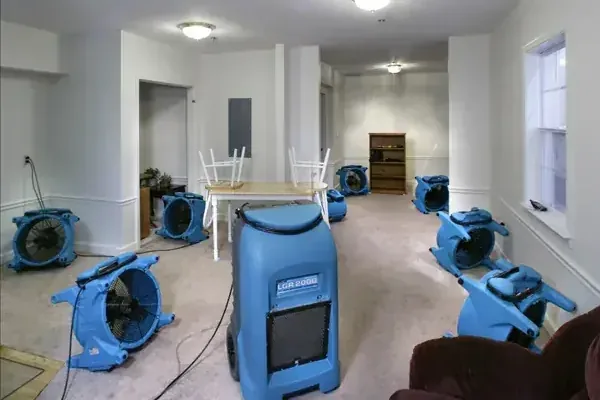
After water removal and any required cleaning, the drying crew selects airflow and dehumidification suited to the space. Material readings at joists and subfloor track progress. The setup must account for outdoor air, continued water entry and the ability to reach the wet surfaces, rather than relying on an open hatch alone.
The completion record separates source correction, water removal, insulation handling and structural drying. Replacement insulation or damaged floor finishes may require a separate repair scope. OSHA confined-space information explains why entry conditions matter. Ready.gov flood safety supports avoiding unsafe water and following current access instructions during storms.
Crawl space water removal in Duarte
Restoration coverage includes homes and businesses along Huntington Drive, Royal Oaks, Mel Canyon, Fish Canyon and Duarte Road, with ZIPs 91008, 91009 and 91010. The assessment starts with the affected property and its safe access, including any closed routes during a storm.
Service areas also include Monrovia, Arcadia, Azusa, Baldwin Park, Sierra Madre.
Related water damage services in Duarte

Crawl Space Water Removal questions in Duarte, CA
A clearer next step
Water below a raised floor needs safe entry and a complete moisture map. The crew checks the joists and subfloor as well as the visible pool.
(888) 578-6508Plan safe underfloor water removalShould an occupant crawl in to find the source?
A wet confined space can contain electrical hazards, contamination and difficult escape conditions. The household should stay outside and report visible observations. The professional assessment establishes safe access and equipment needs before entry, rather than relying on an occupant to inspect remote plumbing or joist bays.
Does pumping alone dry the floor above?
Pumping removes pooled water but leaves moisture absorbed in insulation, joists and subfloor materials. The drying team checks those layers and selects airflow and dehumidification for the remaining load. Material readings establish progress; the technician checks the entire affected floor independently of the hatch condition.
Can insulation stay under a wet subfloor?
The crew evaluates insulation material, saturation, contamination and whether it blocks drying. Some affected insulation needs removal to reach the wood above it. The decision and disposal scope should be documented separately from pumping so the owner understands why water removal alone may not complete mitigation.
How does rainwater differ from a leaking underfloor pipe?
Exterior entry and a supply leak require different source work and contamination assessment. The caller’s timing observations help start that investigation. The technician checks actual conditions beneath the building before planning cleanup, rather than assuming that every pool below a raised floor came from the same cause.
Does the whole crawl space require equipment?
Equipment placement follows the affected footprint, material readings and airflow limitations. The wet area can extend beyond a visible pool, but it may not include every bay. The technician explains the measured boundary and any access needed to check sections that are difficult to reach from the opening.
What remains after underfloor drying?
The owner may still need source repairs, replacement insulation or damaged finish work. The mitigation record should distinguish those tasks from pumping, cleaning and measured drying. Final readings describe the remaining assembly’s condition so repair decisions do not depend only on whether the floor above looks normal.
Bring the underfloor loss into a measured plan
The restoration team pumps accessible water and tracks the affected wood assembly through drying.
(888) 578-6508Arrange crawl-space source and moisture checks