Water Heater Leak Cleanup in Duarte, CA
The restoration crew removes escaped tank water and checks the enclosure, nearby walls and floor coverings. Duarte water heater losses require safe supply and energy isolation before technicians assess retained moisture around the equipment.
(888) 578-6508Check where the tank water traveled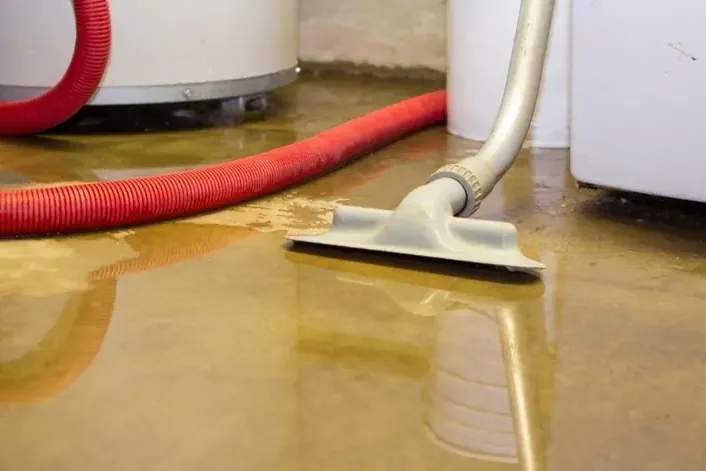
How the water heater leak cleanup team works
Rapid local response
The response team handles urgent water losses through 24/7 dispatch. The initial discussion identifies active water, unsafe rooms, affected materials and access so the assessment begins with the right priorities.
IICRC S500 drying standard
The drying crew sets material-specific goals using the IICRC S500 standard. Extraction, humidity control and repeated meter readings work together to address moisture beyond a floor that merely looks dry.
Claim-ready documentation
The mitigation team records the source description, room measurements and visible damage before removal. Dated photographs and daily moisture records keep the drying work understandable for the owner and the adjuster.
Local water experts
The restoration assessment distinguishes indoor supply failures from rainwater entry. Technicians inspect the actual wall and floor assembly, explain access needs and keep occupied areas separate from equipment and wet materials.
First steps for water heater leak cleanup in Duarte
- Avoid wet tank controls. The household stays clear of hot water and wet electrical or fuel-connected equipment, seeking qualified direction before attempting any equipment isolation.
- Describe the visible leak. The caller notes whether water is beneath the tank, at a connection or beyond the enclosure, without touching hot or energized components.
- Protect safe access. People avoid moving heavy wet contents or the heater itself; the owner identifies a dry route for the equipment and restoration professionals.
- Separate replacement from cleanup. The owner retains the equipment professional’s source findings so the mitigation team can map escaped water and explain drying needs outside the tank repair.
What does water heater leak cleanup cost in Duarte, CA?
Water heater leak cleanup in Duarte often falls around $900 to $3,800, with water spreading into several rooms or concealed wall layers costing more. Enclosure access, damaged contents, floor saturation and drying duration affect mitigation; tank repair or replacement is separate.
Limited tank-area spill
- Accessible water removal
- Enclosure moisture checks
- Localized equipment setup
Walls and nearby flooring
- Wet base material access
- Floor-edge extraction
- Daily drying readings
Water beyond the enclosure
- Several affected assemblies
- More contents handling
- Broader drying footprint
Documentation for your insurance claim
The restoration team records a moisture map, daily psychrometric logs, timestamped pre-demolition photos, water category and material class. A line-item scope explains the equipment and removal work. Sudden accidental leaks, long-running damage, sewer backups and outdoor floods have different policy terms. The homeowner checks coverage with the insurer. The Duarte water damage cost calculator offers a planning range; category, square footage, material class and drying delay shape the actual scope.
The water heater leak cleanup process
Confirm equipment safety
The team establishes safe access and the status of supply and energy isolation, then records the visible tank-area water and source findings.
Inspect adjoining materials
Technicians follow water through the enclosure threshold and wall bases, checking stored contents and flooring layers that can conceal spread beyond the tank.
Extract and establish airflow
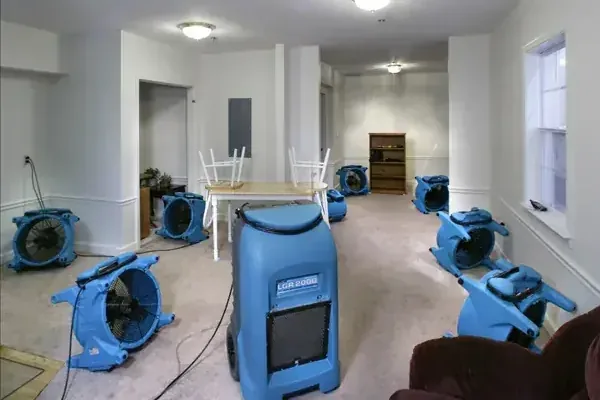
The crew removes recoverable water and obstructing damaged material, then positions drying equipment to reach the confined enclosure and neighboring wet assemblies.
Verify the surrounding structure
Repeat readings track walls and floors after source correction, with the completion record separating mitigation results from tank replacement and any finish repair.
Water around a heater can come from the tank, a connection, a drain arrangement or another nearby source. The equipment professional investigates that cause and handles safe isolation. The restoration crew follows the escaped water into surrounding materials, where a small enclosure can hide moisture behind stored items, wall finishes and floor transitions.
Looking beyond the tank in Duarte
At a property along Huntington Drive, the technician checks whether water has crossed the enclosure threshold into an occupied room. A home near Duarte Road may have stored contents against wet wall bottoms that limit access. The crew records those conditions before moving items or choosing equipment positions.
Royal Oaks provides another local access reference, but the heater’s installation and surrounding construction need their own inspection. The restoration team does not assume a garage, closet or platform configuration from the neighborhood. The assessment includes the actual base, adjacent finishes and any opening through which water traveled.
Controlling the source without creating another hazard
Hot water and electrical or fuel connections make a tank leak different from an ordinary floor spill. The household avoids wet equipment and follows qualified direction for isolation. The cleanup team needs confirmation that water is no longer feeding the loss before a drying plan can produce reliable progress.
- Tank-area photographs preserve the initial water path and enclosure condition.
- Baseboard and drywall checks follow moisture beyond the visible puddle.
- Stored cardboard and other absorbent contents need individual evaluation.
- Adjacent flooring may hold water beneath a dry-looking surface.
The technician explains any access needed around the equipment. Tank removal or replacement belongs to the equipment scope, while extraction, material handling and structural drying belong to mitigation. Clear separation helps the owner understand which provider controls each part of the work.
Drying a confined wet enclosure
A small closet can require careful airflow and dehumidification because its walls and contents limit circulation. The crew extracts accessible water, evaluates damaged finishes and checks moisture at wall bases and floor edges. Equipment placement must preserve safe access to necessary building controls and walking routes.
Technicians compare repeat readings with the initial map and investigate persistent moisture rather than assuming the replacement tank solved the interior damage. The final record identifies remaining repair needs. The EPA leak information supports attention to unexpected water loss, and Ready.gov preparedness information explains the value of planning safe household responses before an emergency.
Water heater leak cleanup in Duarte
Restoration coverage includes homes and businesses along Huntington Drive, Royal Oaks, Mel Canyon, Fish Canyon and Duarte Road, with ZIPs 91008, 91009 and 91010. The assessment starts with the affected property and its safe access, including any closed routes during a storm.
Service areas also include Monrovia, Arcadia, Azusa, Baldwin Park, Sierra Madre.
Related water damage services in Duarte
Water Heater Leak Cleanup questions in Duarte, CA
A clearer next step
A new tank does not dry the enclosure around it. The restoration assessment checks wall bases, floor layers and nearby contents after safe source isolation.
(888) 578-6508Assess the enclosure beyond the tankDoes water beneath the tank prove that the tank failed?
Water can originate at a connection, drain component or another nearby source. The equipment professional determines the cause. The restoration assessment focuses on where escaped water traveled and which surrounding materials became wet, keeping the source diagnosis and interior drying responsibilities clear for the owner.
Should the household move the heater to dry beneath it?
The household should not move a connected heater or handle wet equipment controls. Qualified equipment work may be necessary to provide safe access. The restoration crew explains what moisture remains around or beneath the installation and coordinates the drying area with the professional responsible for the tank.
Can a small closet need several drying checks?
Confined spaces can restrict airflow, and wall bases or layered flooring may retain moisture after the open floor clears. Technicians monitor those materials and adjust equipment when progress slows. The number of checks follows the assembly’s response rather than the apparent size of the closet.
Is replacing the heater enough to finish the water loss?
Replacement addresses the equipment source, but absorbed water may remain in walls, flooring and contents. The mitigation scope includes extraction and measurements of those materials. The owner should receive a clear distinction between tank work, drying, damaged-material disposal and replacement finishes before considering the loss complete.
What happens to wet stored items near the tank?
The crew evaluates contents according to material, contamination and condition. Absorbent packaging can hold water against walls and floors, while some hard items can be cleaned and moved. Photographs and an inventory help document decisions according to each item’s material, condition and exposure.
Which details help a water heater claim discussion?
The owner retains source findings, the time of discovery and photographs of the enclosure and affected rooms. The restoration file adds moisture readings, removal details and the equipment scope. The insurer evaluates the actual policy, including the distinction between the failed equipment and resulting water damage.
Dry the rooms reached by escaped tank water
The crew removes accessible water and tracks moisture in the materials surrounding the heater.
(888) 578-6508Arrange tank-area water mitigation