Water Damage Restoration Sierra Madre, CA
A soaked floor needs a plan that reaches beneath the visible puddle. Sierra Madre water damage restoration starts with the entry point, affected materials and safe access before extraction and drying take shape.
(888) 578-6508Describe the rooms needing attentionRoom conditions determine the equipment, removal decisions and drying checks needed before damaged finishes can be rebuilt.
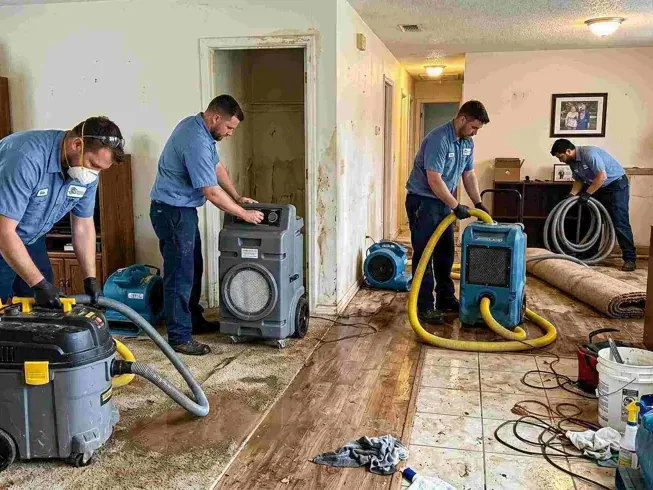
Different leaks need different recovery plans
A ceiling drip, overflowing fixture and saturated floor leave different cleanup problems. Choose the service that matches where the water started and what became wet.
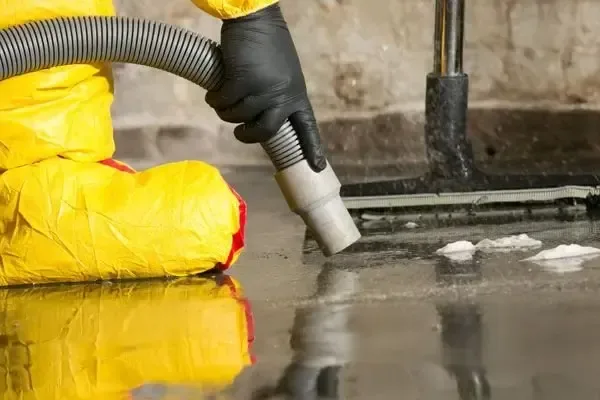
Water Extraction and Removal
Pooled water can cover several floor layers. Removal equipment follows the affected surface, access route and amount trapped underneath.
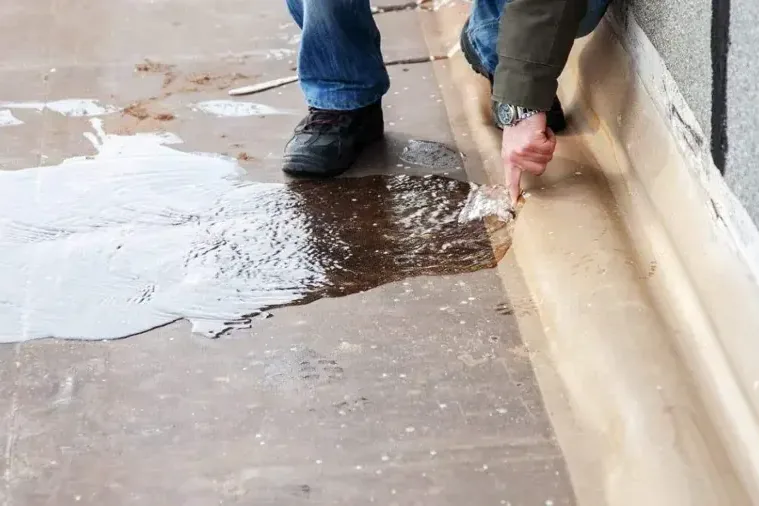
Slab Leak Water Damage
Damp flooring above concrete calls for moisture mapping and source investigation before opening finishes or choosing a slab drying approach.
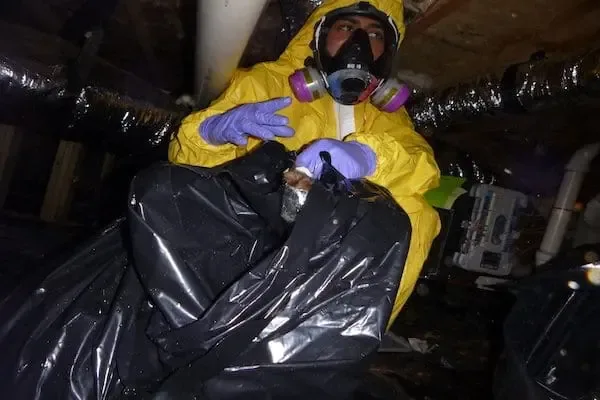
Sewage Backup Cleanup
Wastewater changes which belongings can remain. Containment, contact tracing and material removal help establish the cleanup boundary around the overflow.
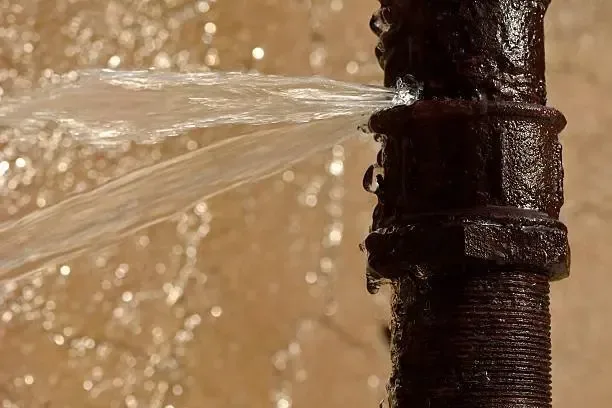
Burst Pipe Water Damage
A ruptured supply pipe may send water through wall cavities. Source isolation and adjoining room checks shape the recovery work.

Storm Flood Cleanup
Runoff brings outdoor sediment through doors and other openings. Cleanup addresses deposited dirt, wet assemblies and the continuing entry path.
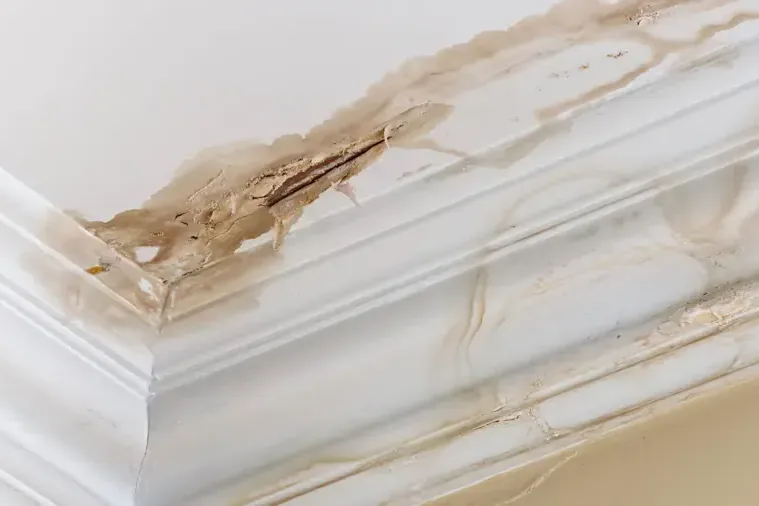
Roof Leak Water Damage
Rain can travel along roof framing before reaching a room. Attic observations help connect interior damage with the overhead entry.
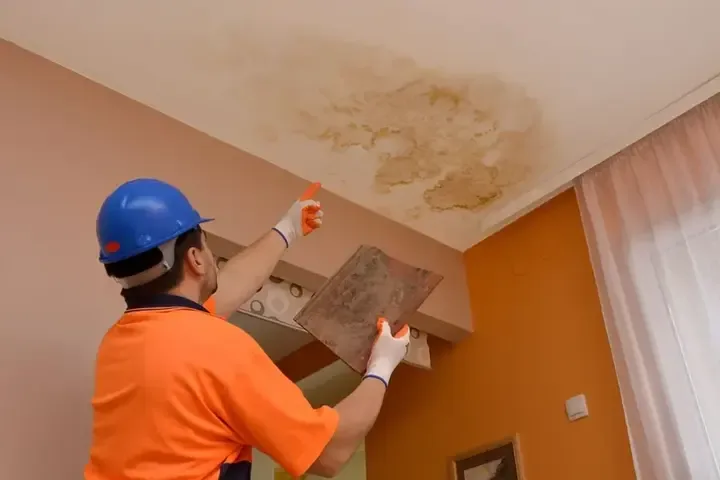
Ceiling Leak Water Damage
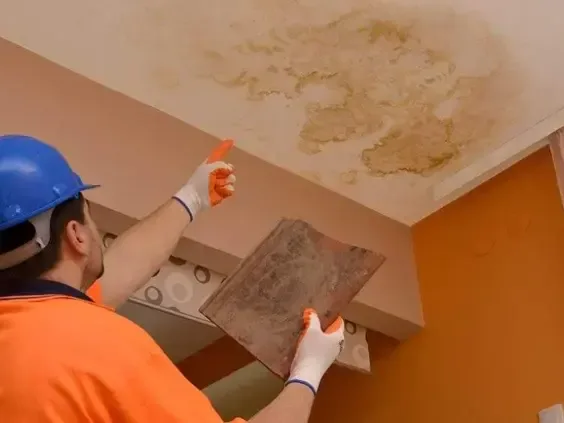
A changing ceiling stain needs attention above the paint. Loose material, hidden insulation and nearby wall junctions require separate checks.
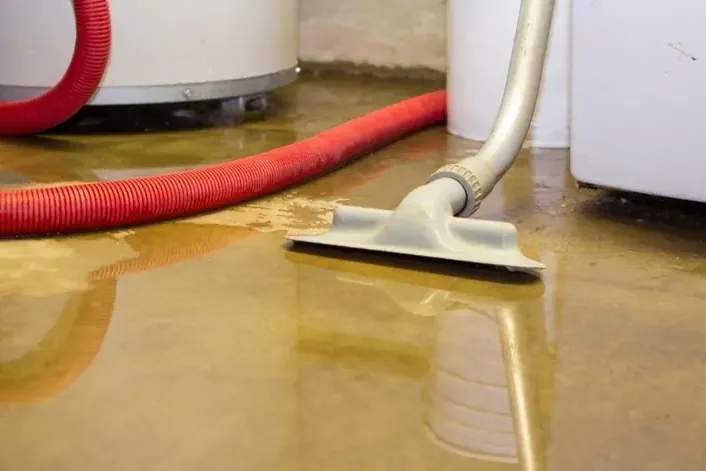
Water Heater Leak Cleanup
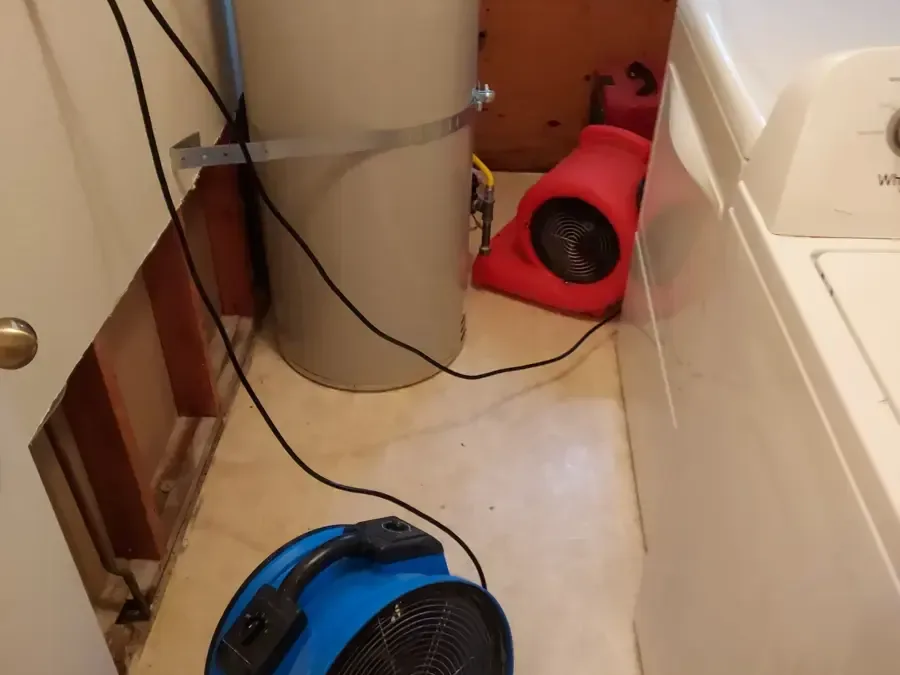
Water escaping a tank enclosure can soak walls and adjacent flooring. Cleanup planning includes the space concealed around its base.
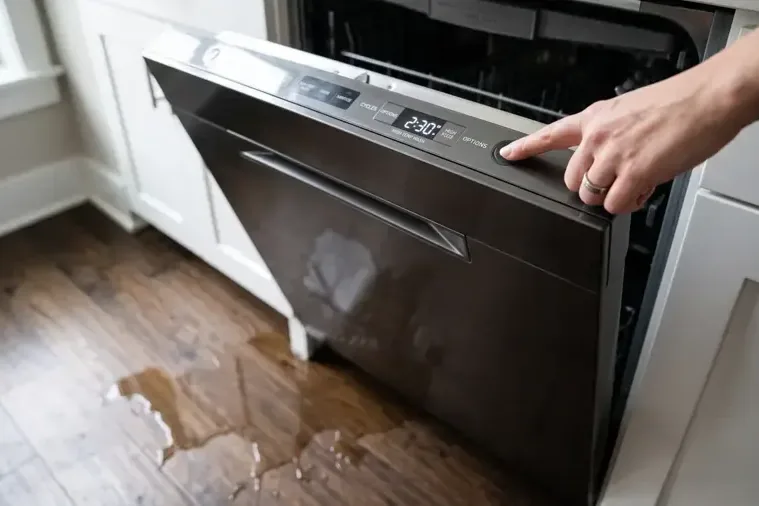
Appliance Leak Water Damage
Kitchen and laundry leaks often disappear beneath cabinets. Inspecting toe kicks and layered floors helps reveal the full spill footprint.
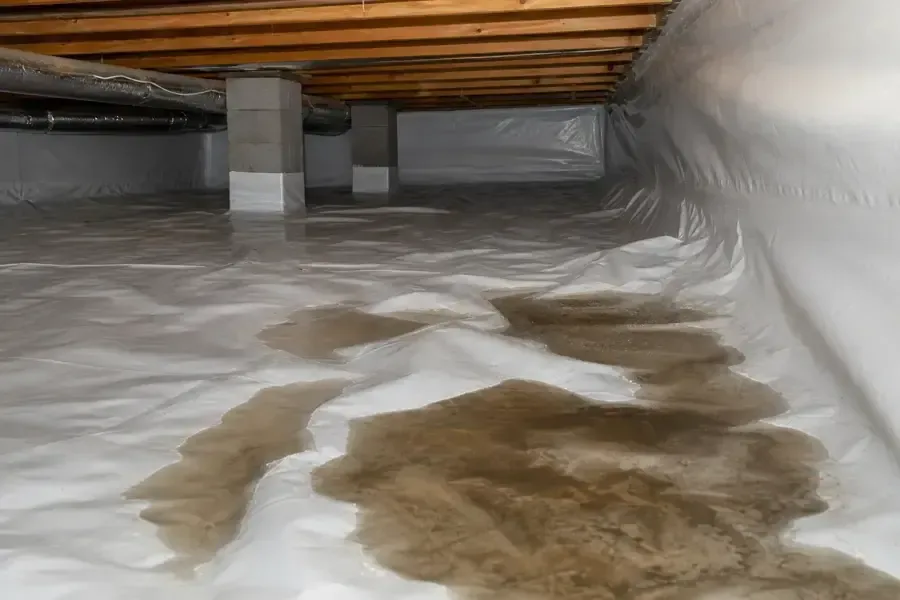
Crawl Space Water Removal
Underfloor pooling requires an access assessment. Pumping, debris handling and drying follow the conditions found beneath the actual building.
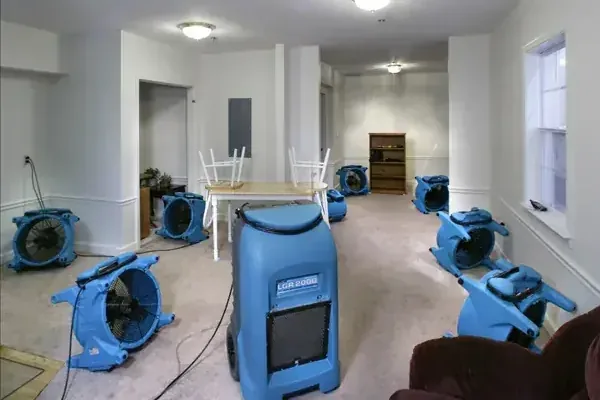
Structural Drying and Dehumidification
Moisture readings track progress inside affected materials. Equipment placement changes as framing, flooring and room humidity respond to controlled drying.
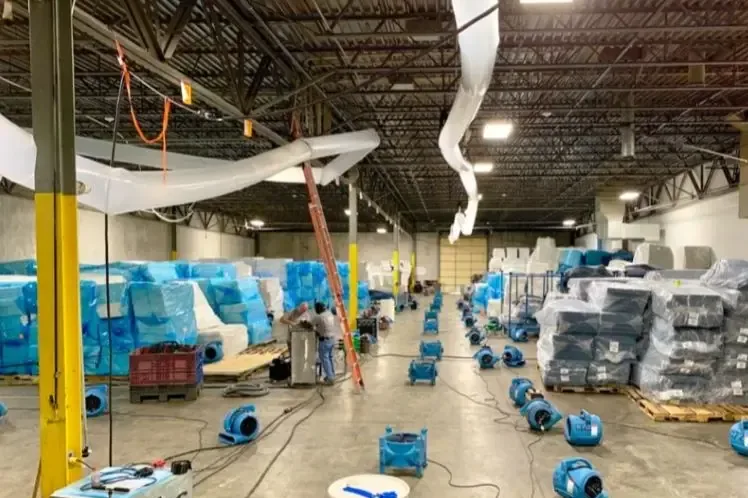
Commercial Water Damage
Wet stock and working areas need coordinated access. A business recovery plan separates affected rooms from usable circulation and storage.
Clear observations make the next step easier
Useful restoration notes connect a finding to an action. Owners and managers need to understand what became wet, what remains accessible and what happens next.
Defined wet boundary
Moisture checks include the apparent edge of the damage and nearby assemblies, helping the team avoid treating a stain as the entire loss.
Material specific decisions
Painted drywall, insulation, wood and concrete release moisture differently. The plan should explain why each affected layer stays, opens or needs removal.
Workable access
Room use and equipment routes matter during occupied property work. Clear access arrangements reduce interruptions around drying equipment and temporary barriers.
Repair handoff
A useful completion record identifies the areas checked and work still needed. Rebuilding decisions follow drying progress and the source repair status.
How the dry-out progresses
Locate the pathway
Initial observations connect the wet room with possible entry points and adjoining spaces. The assessment identifies materials that need closer inspection.
Remove what holds water
Extraction reduces standing water while the team evaluates saturated layers. Material condition and contamination determine what can stay in the drying area.
Control the environment
Air movement and dehumidification are arranged around the exposed assemblies. Room use, equipment access and electrical safety affect the working setup.
Check the readings
Repeat measurements show the direction of progress. The closing record explains remaining repair needs and the condition of the materials checked.
What changes a Sierra Madre cleanup estimate?
The estimate depends on the water source, affected material layers and access needed to reach them. A visible spill on an open floor involves different work from trapped moisture beneath cabinets. Inspection separates extraction, drying and any damaged material removal into understandable tasks.
Accessible extraction
- Accessible open floor
- Water pickup
- Surface checks
Saturated room
- Wet layers
- Edge inspection
- Moisture mapping
Extensive removal
- Connected spaces
- Larger setup
- Drying handoff
When paying directly
An owner paying directly can request a scope arranged by immediate cleanup, continued drying and later repairs. That breakdown makes changes easier to discuss when concealed wet material becomes accessible.
A budget decision should consider the whole affected assembly. Choosing only visible surface work may leave moisture beneath a finish that appears ready for replacement.
A written scope should identify included work and any conditions that could change it. Source repair and replacement finishes deserve separate discussion before the project moves forward.
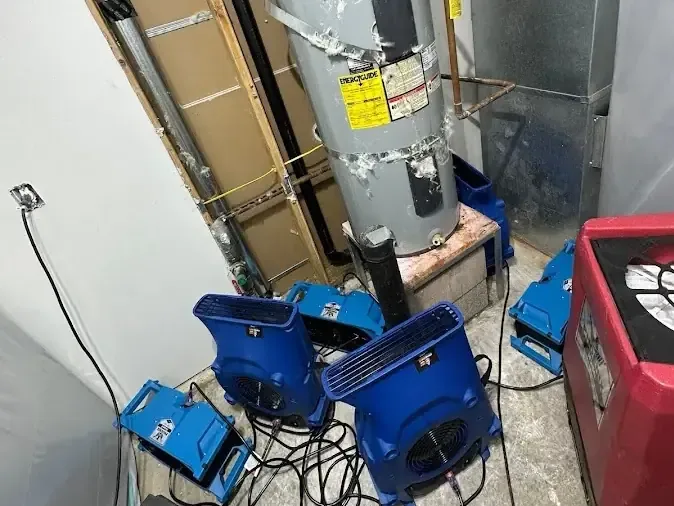
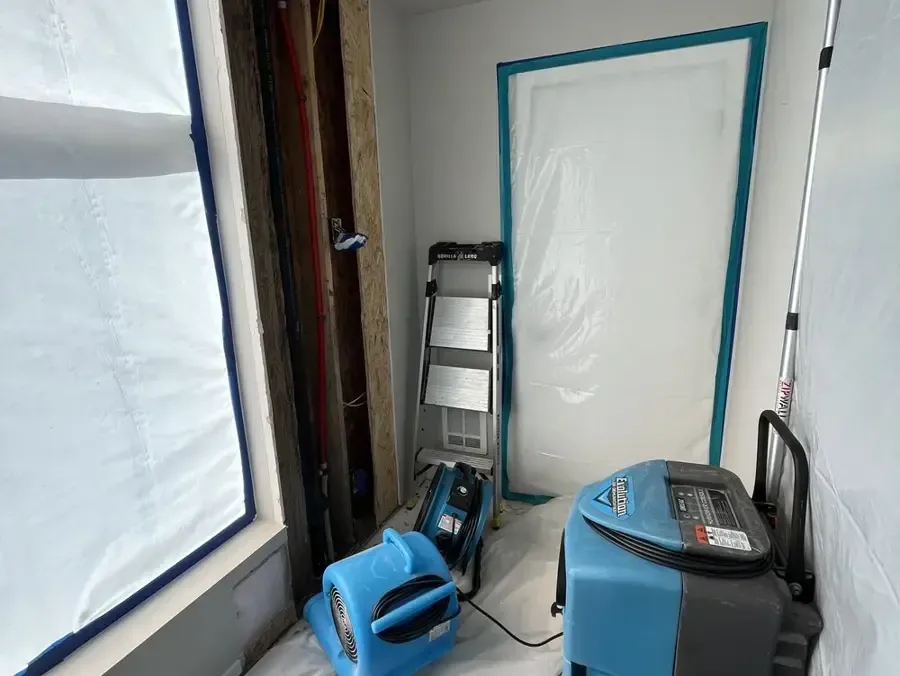
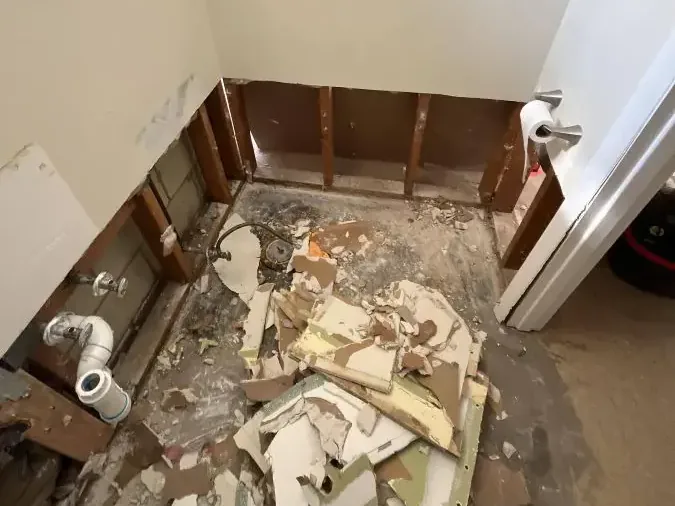
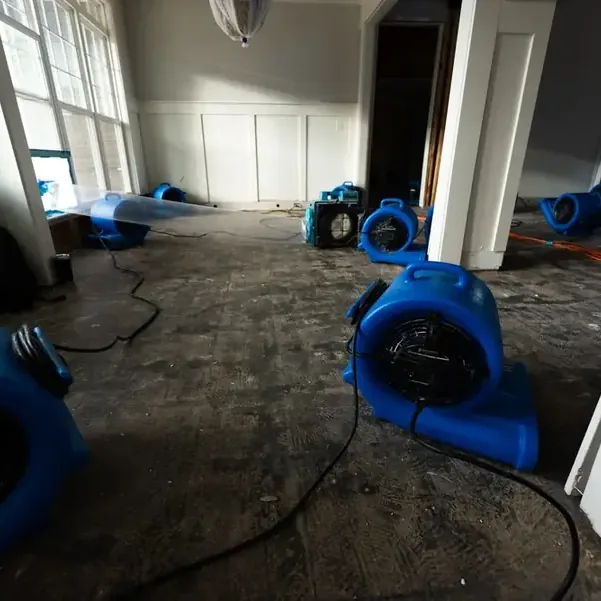
Equipment, exposed materials and water removal in progress
A drying record follows the building
Visible water removal is an early milestone. The restoration team also tracks moisture in reachable materials and records whether the remaining assemblies are responding before recommending closure or finish work.
Source status recorded
Moisture locations mapped
Progress checked
Water contact determines the cleanup boundary
Supply water
A plumbing release starts with source isolation and an assessment of affected surfaces. Water that crosses dirty materials needs reevaluation before belongings or finishes are retained.
Follow supply waterOutdoor runoff
Rainwater entering from outside may carry sediment into floor joints and cavities. Surface wiping alone leaves deposited material and trapped moisture beneath the visible room.
Handle indoor runoffWastewater
A backed up drain requires restricted access and a contamination assessment. Porous belongings and building layers need decisions based on their contact with the overflow.
Assess sewage contactKeep the wet area safe and document changes
- Keep people clear. A room with hanging ceiling material, sewage or wet electrical equipment should remain unused until the relevant hazards have been assessed.
- Limit the source. An accessible shutoff may stop an indoor leak. Standing water or an unsafe route changes whether approaching that control is reasonable.
- Record the spread. Photographs from a dry position help preserve the initial condition of floors, furnishings and the place where water first appeared.
- Arrange entry. An owner or manager should identify access restrictions, occupied rooms and any pets before equipment needs a route through the building.
- Preserve the sequence. Notes about discovery, source repair and later staining help explain what changed between the first puddle and the restoration assessment.
Document the damage and work decisions
Photographs and dated notes help an owner explain the loss. The restoration record should connect affected materials, authorized tasks and source repair updates in an organized sequence.
- Photographs before disturbed materials are removed
- Notes showing when damage first appeared
- Records of completed source repair work
- An itemized description of restoration tasks
- Invoices and the final moisture record
Plan before you call
Nearby service areas
Water damage questions in detail
Sierra Madre Sewage Backups and Private Laterals
Sierra Madre sewage backups involve private laterals, public mains and contaminated rooms. See reporting, access control, plumbing findings and cleanup.
Monrovia Rental Pipe Leaks and Repair Access
Monrovia rental pipe leaks need clear occupant reports, authorized repair access and room records. Follow the handoff from source control to measured drying.
Monrovia Business Water Losses and Drying Zones
Monrovia business water losses need protected stock, clear work boundaries and documented room releases. See access planning, equipment routes and drying.
Sierra Madre properties and local access
Describe the building and entry route
Canyon roads and compact interiors make access details useful before equipment arrives. An intake description should include the affected level and any obstacles between the entrance and wet room.
Coverage includes homes and commercial interiors, with the work scope set by the conditions inside the property.
(888) 578-6508Share the property access detailsSierra Madre, CA · [email protected]
Useful location references
Listed ZIP codes
Surrounding service areas
Foothill conditions meet individual building details
Sierra Madre sits in the San Gabriel Valley foothills below the Angeles National Forest. Winter rain, property drainage and indoor plumbing create different water pathways that need separate investigation after damage appears.
April 1926: Heavy rain changed the stream course in Little Santa Anita Canyon, filled the canyon pool with debris and damaged 20 homes.
Seasonal rain
Most precipitation falls between November and March. Roof openings and exterior drainage deserve attention when a stain grows during wet weather or runoff reaches a doorway.
Canyon access
Upper Sierra Madre Canyon has narrow, winding roads. Property entry and an equipment staging location are practical details to discuss when arranging work inside a canyon home.
Compact housing
Lower Sierra Madre Canyon includes small bungalows or cabins. An inspection establishes the actual wall, floor and underfloor construction before the team plans access to concealed moisture.
Separate drainage
Storm drains collect street and gutter runoff. A backed up indoor fixture needs a plumbing assessment rather than an assumption that the public storm system caused it.
Local landmarks
Bailey Canyon Wilderness Park and Kersting Court help describe a property location. Inside the building, moisture measurements establish which rooms and materials need restoration attention.
Questions after water appears
Water in more than one room?
A description of the first wet area and the rooms affected now helps the team prepare for a wider assessment.
(888) 578-6508Explain how the water spreadWhat matters most during the first assessment?
The source status, safe access and affected materials shape the first decisions. A puddle near a doorway may be only the visible edge of a larger wet area. The team checks reachable adjoining surfaces and discusses anything concealed before deciding where extraction or opening work belongs.
Can a dry looking floor still need attention?
Moisture can remain beneath a finish after its surface stops looking wet. The assessment considers the assembly, accessible edges and readings from appropriate instruments. Structural drying addresses retained moisture when exposed surfaces alone do not tell the whole story of the affected floor.
How does a renter organize cleanup?
A renter can document the discovery and promptly notify the property manager about water entry and affected belongings. Access approval, source repair and restoration authorization need clear contacts. Contents and building materials may involve separate decisions, so photographs should distinguish personal items from damaged permanent finishes.
Does a canyon location determine the foundation type?
Each property needs its own construction assessment. Small bungalows or cabins in the canyon communities can have different floor assemblies. The inspection should establish whether water is on concrete, inside layered flooring or beneath a raised floor before equipment or opening methods are selected.
What happens when a drain backs up?
The affected room should remain isolated while the overflow source and contact area are evaluated. Property owners maintain private sewer laterals, while public mains fall under municipal maintenance. Sewage cleanup addresses contaminated interior surfaces alongside the separate plumbing work needed to restore drainage.
Can rooms stay in use while drying continues?
That depends on water quality, electrical conditions and the equipment arrangement. A clean access route and an undamaged room may remain usable when the work zone is separated appropriately. Equipment should stay in its planned position, and occupancy questions belong in the initial restoration discussion.
Will every wet wall be removed?
Removal decisions follow material condition, water contact and access needs. Some assemblies can dry after controlled exposure, while damaged or contaminated layers may need replacement. The team should explain the purpose of an opening and document what becomes visible before expanding the removal area.
What details help explain a rain leak?
Useful observations include when dripping started, whether the stain changed during rainfall and which surfaces became wet first. Photos from an accessible interior location help connect those changes. Roof entry investigation and interior cleanup should address their respective tasks before new ceiling finishes are installed.
When is the property ready for finish repairs?
Repair planning follows source control, assessment of moisture measurements and any necessary material removal. A room that feels comfortable can still contain damp layers. The handoff should describe the checked assemblies and remaining work so replacement flooring or wall coverings are scheduled with a clear basis.
Start with the source and affected rooms
Describe the water entry, visible damage and property access so the next restoration step fits the building's condition.
(888) 578-6508Discuss the first restoration steps