Slab Leak Water Damage in Duarte, CA
The restoration team maps moisture beneath flooring and at slab edges while a plumbing professional investigates the supply leak. Duarte floor assemblies need source control, suitable access and repeated readings before new finishes cover them.
(888) 578-6508Trace the damp floor and slab edges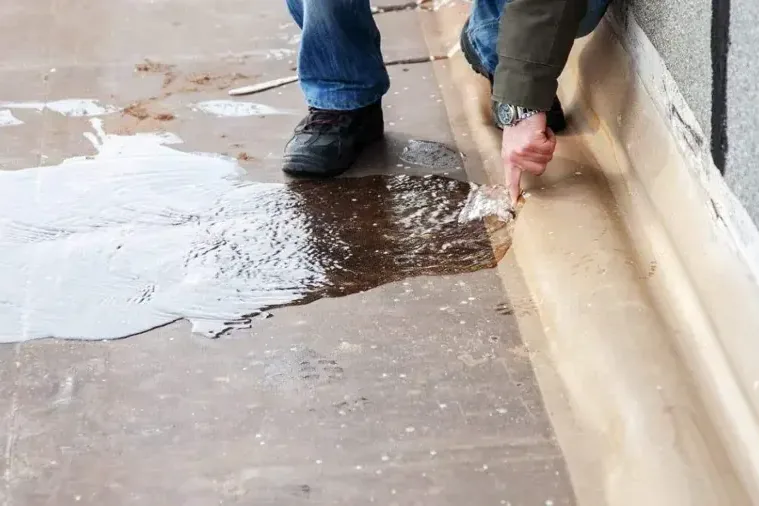
How the slab leak water damage team works
Rapid local response
The response team handles urgent water losses through 24/7 dispatch. The initial discussion identifies active water, unsafe rooms, affected materials and access so the assessment begins with the right priorities.
IICRC S500 drying standard
The drying crew sets material-specific goals using the IICRC S500 standard. Extraction, humidity control and repeated meter readings work together to address moisture beyond a floor that merely looks dry.
Claim-ready documentation
The mitigation team records the source description, room measurements and visible damage before removal. Dated photographs and daily moisture records keep the drying work understandable for the owner and the adjuster.
Local water experts
The restoration assessment distinguishes indoor supply failures from rainwater entry. Technicians inspect the actual wall and floor assembly, explain access needs and keep occupied areas separate from equipment and wet materials.
First steps for slab leak water damage in Duarte
- Stop additional water safely. The household uses an accessible shutoff when appropriate and arranges a plumbing investigation, keeping source repair separate from the floor-drying scope.
- Leave the flooring intact initially. The owner records damp edges and raised seams before moving finishes, so the technician can map the spread and explain targeted access.
- Clear a safe inspection route. Small dry contents can move away from the affected floor without crossing wet electrical areas or disturbing a damaged wall assembly.
- Retain plumbing observations. Leak-location findings and repair photographs help the drying crew connect the source opening with the wider moisture pattern below the finished floor.
What does slab leak water damage cost in Duarte, CA?
Slab leak water damage mitigation in Duarte often falls around $1,500 to $6,000, with extensive flooring access or multiple wet rooms reaching higher totals. Plumbing detection and pipe repair are separate; drying cost follows the affected area, covering removal, material class and duration.
Accessible floor edge
- Limited covering access
- Adjacent wall checks
- Controlled drying setup
Several wet layers
- Flooring and underlayment
- Concrete moisture tracking
- Multiple equipment positions
Wider slab moisture
- Several affected rooms
- Complex access and removal
- Longer material monitoring
Documentation for your insurance claim
The restoration team records a moisture map, daily psychrometric logs, timestamped pre-demolition photos, water category and material class. A line-item scope explains the equipment and removal work. Sudden accidental leaks, long-running damage, sewer backups and outdoor floods have different policy terms. The homeowner checks coverage with the insurer. The Duarte water damage cost calculator offers a planning range; category, square footage, material class and drying delay shape the actual scope.
The slab leak water damage process
Map the floor symptoms
The technician records damp edges, finish changes and surrounding material readings, then compares the visible pattern with the plumber’s source investigation.
Coordinate access and repair
The restoration crew explains drying openings while the plumber controls the failed supply, keeping the pipe work and affected floor area clearly documented.
Dry the exposed assembly
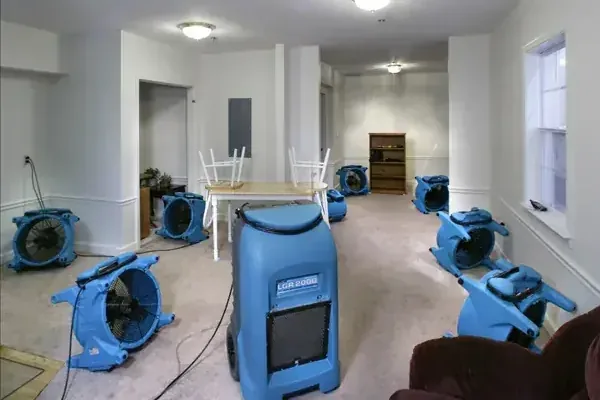
Extraction removes accessible water before dehumidifiers and airflow address retained moisture, with particular attention to slab edges, underlayment and nearby wall bases.
Check readiness for finishes
Technicians record the drying trend and final material condition, while the owner and flooring installer confirm any separate testing required for replacement products.
A warm floor patch, damp edge or unexplained water use starts an investigation; it does not identify the failed pipe by itself. The restoration technician maps the wet floor while the plumbing professional checks the source. Keeping those tasks distinct helps the homeowner understand the repair opening, the drying area and any flooring that needs separate replacement.
Assessing slab leak damage in Duarte
Huntington Drive and Duarte Road provide local access references, but foundation construction must be checked at the property. The drying crew inspects the actual floor assembly, including coverings, underlayment and nearby wall bases. A home near Royal Oaks may have water beneath a finish even when the room has no standing puddle. The moisture map records the affected materials rather than assuming every part of the slab is equally wet.
The technician asks when the change appeared, whether a plumber has stopped the source and which rooms share the damp floor. Furniture, cabinets and stored items can obscure an edge. Safe access to those areas improves the assessment without requiring indiscriminate removal of an otherwise sound floor.
Opening the right layers
Concrete can retain moisture beneath low-permeability coverings. The restoration team explains which finish or underlayment prevents drying and how an opening would help. The plumbing repair may need one access point while water has spread over a larger area. The crew maps that difference before defining extraction, disposal and equipment placement.
- Transitions between rooms can show a hidden wet boundary.
- Baseboards may conceal moisture at the wall and slab junction.
- Cabinet bases need attention when water runs beneath them.
- Lifted finishes need handling suited to their condition and contamination.
A surface meter reading is one part of the inspection, not a replacement specification. The flooring installer may require a particular concrete moisture test before replacement. The drying record and installation requirements should be discussed together so a new covering does not trap moisture left from the loss.
Drying before the floor closes again
After source control and access, the crew removes recoverable water and operates dehumidification with controlled airflow. Technicians track affected concrete and adjacent materials over time. Dense assemblies can respond more slowly than exposed drywall, so the equipment plan follows the readings instead of a preset departure date.
The homeowner receives a clear distinction between leak detection, plumbing repair, water mitigation and replacement finishes. The EPA leak information explains how unnoticed water loss can persist. The Ready.gov household safety information supports keeping unsafe electrical equipment out of use while a wet area is assessed.
Slab leak water damage in Duarte
Restoration coverage includes homes and businesses along Huntington Drive, Royal Oaks, Mel Canyon, Fish Canyon and Duarte Road, with ZIPs 91008, 91009 and 91010. The assessment starts with the affected property and its safe access, including any closed routes during a storm.
Service areas also include Monrovia, Arcadia, Azusa, Baldwin Park, Sierra Madre.
Related water damage services in Duarte
Slab Leak Water Damage questions in Duarte, CA
A clearer next step
Moisture beneath a finish needs a clear access plan. The restoration assessment connects floor readings, source control and the condition of adjoining walls before drying begins.
(888) 578-6508Plan access to the damp assemblyDoes a warm floor always mean a slab leak?
A temperature change alone does not identify the source. The plumbing professional investigates supply loss, and the restoration technician checks moisture in the surrounding materials. The assessment combines symptoms, source findings and readings before recommending floor access or describing the extent of water damage.
Is pipe repair included in the drying price?
The owner should request separate descriptions for leak detection, plumbing repair and water mitigation. A repair opening may be small even when moisture extends beneath several rooms. The drying scope explains affected coverings, equipment and monitoring so each part of the work is understandable.
Why lift flooring after the pipe stops leaking?
A low-permeability covering can hold moisture in the concrete or underlayment below it. When readings show retained water, targeted access can help the assembly dry. The crew explains the condition and proposed opening rather than assuming every finish must be removed across the entire room.
How is a slab checked before new flooring?
The drying team tracks affected materials and records their condition. The replacement flooring manufacturer may require a specific concrete moisture test and installation threshold. The owner and installer confirm those requirements separately, using the mitigation record to understand where water remained and how drying progressed.
Can a leak affect walls as well as the floor?
Water can collect at the slab edge and wet baseboards, drywall bottoms or cabinet bases. Technicians check those junctions and adjacent rooms, particularly where a continuous finish hides the path. A floor-only visual inspection can miss material that needs drying or controlled removal.
What should be reported to 24/7 dispatch?
The caller describes the damp floor, any spreading water, whether the supply is shut off and whether a plumber has located the leak. Recent repair findings and access restrictions also help. Nobody needs to break concrete or lift wet electrical equipment to gather information.
Keep retained slab moisture out of the new floor
The drying team records the affected layers and checks their progress before the replacement-floor discussion.
(888) 578-6508Arrange a floor-edge moisture assessment