Water Damage Restoration Arcadia, CA
A puddle beside a cabinet and a soaked ceiling need different first decisions. Arcadia water damage restoration starts with the source, the affected materials and a practical plan for reaching hidden moisture.
(888) 578-6508Describe where the water appearedAn active leak, unsafe ceiling or sewage spill needs attention before belongings return to the affected room.
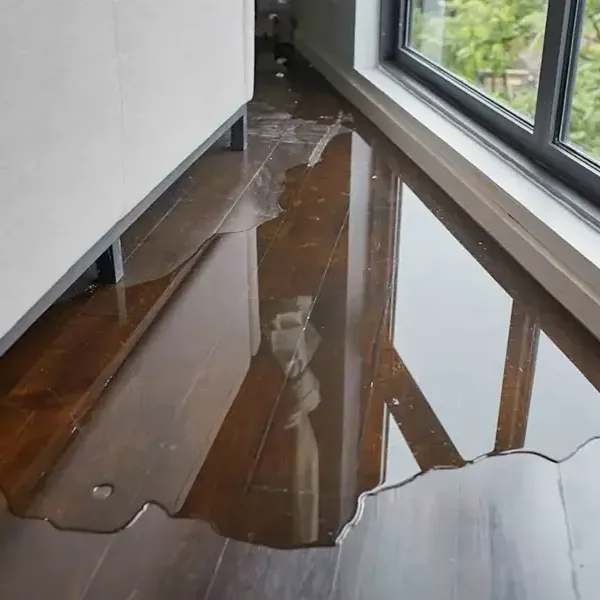
Different leaks need different cleanup work
The visible symptom helps identify the next step. These services address water removal, contaminated materials and moisture retained beneath finishes or inside building assemblies.
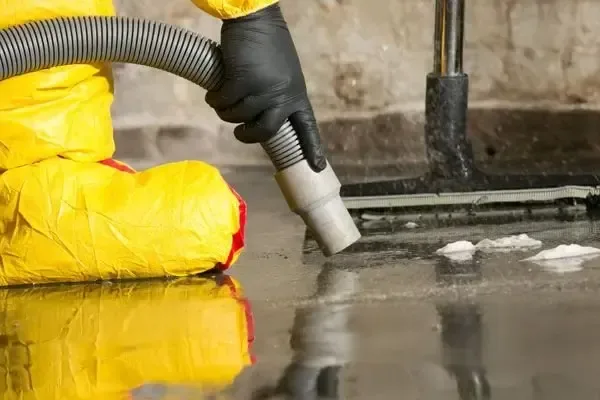
Water Extraction and Removal
Standing water can move beneath furniture and into doorways. Extraction targets the puddles before the drying assessment follows their spread.
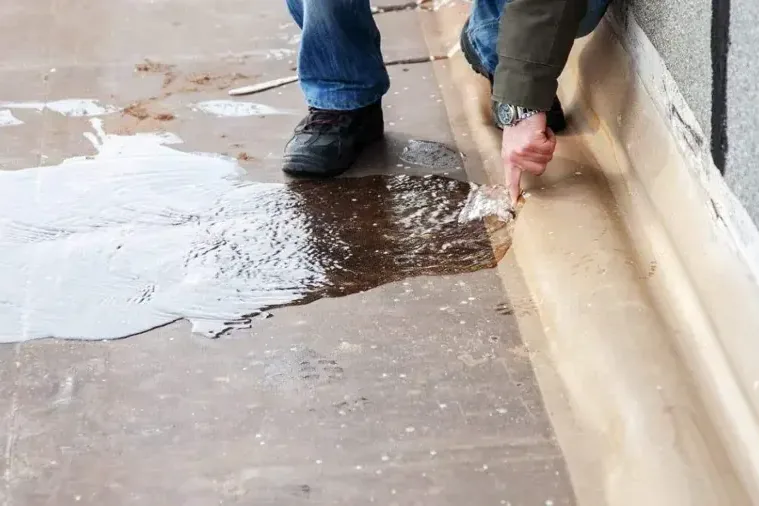
Slab Leak Water Damage
Damp flooring over concrete needs source investigation and moisture checks beneath the finish, especially where damage appears beyond the wettest patch.
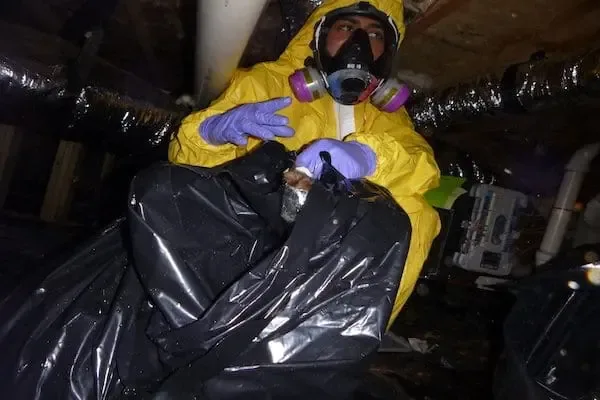
Sewage Backup Cleanup
Wastewater inside a room requires restricted access, controlled removal and decisions about contaminated porous materials before surfaces can return to use.
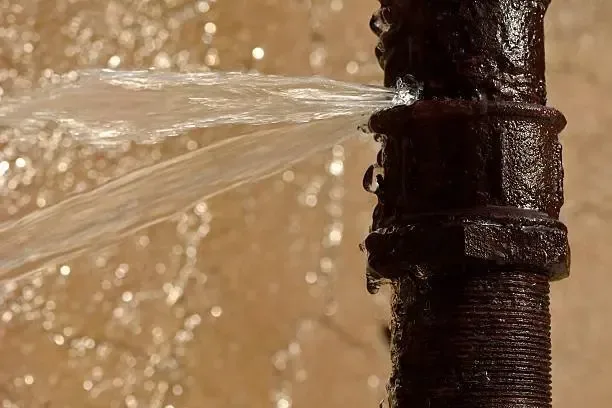
Burst Pipe Water Damage
A broken supply pipe can wet several connected spaces. Cleanup follows the escape path through walls, trim and floor transitions.
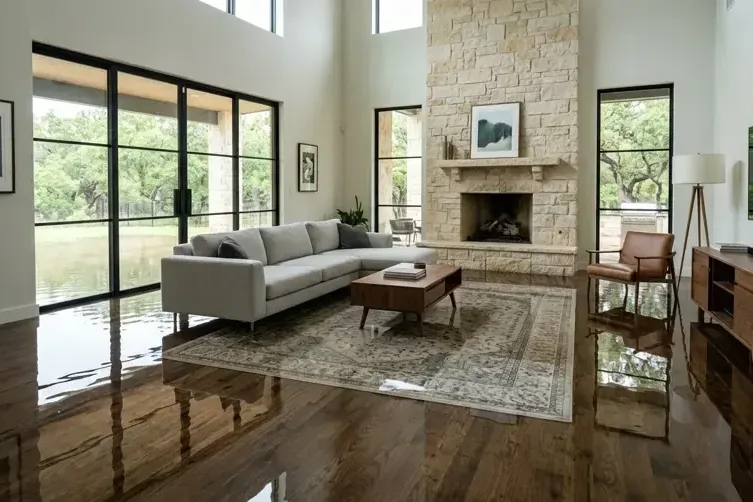
Storm Flood Cleanup
Water entering from outside brings a different cleanup problem. Sediment, entry openings and contact with indoor materials shape the removal work.
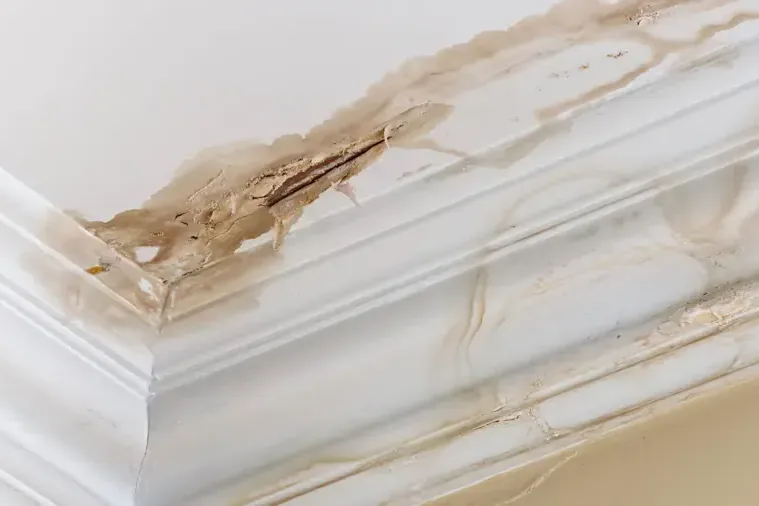
Roof Leak Water Damage
Rain entering above the ceiling may travel along framing. Interior inspection follows that route while roof repairs address the entry point.
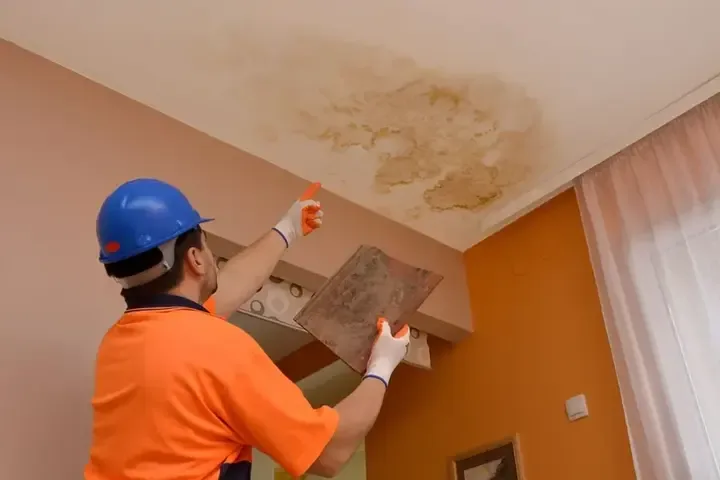
Ceiling Leak Water Damage
A sagging or stained overhead surface needs careful access. Assessment checks its stability and the materials concealed above the visible mark.
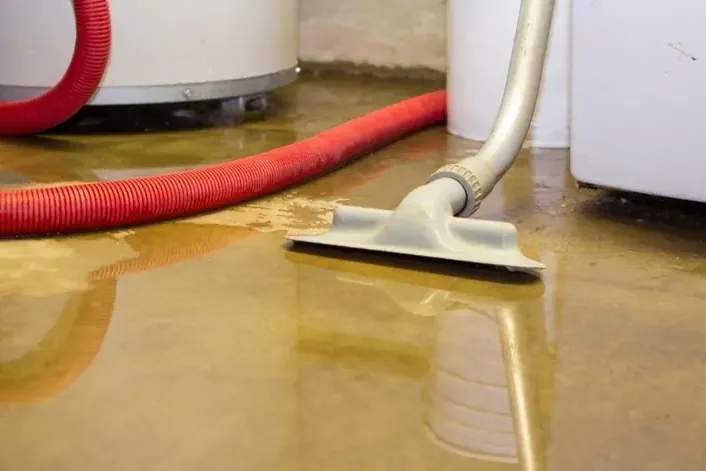
Water Heater Leak Cleanup
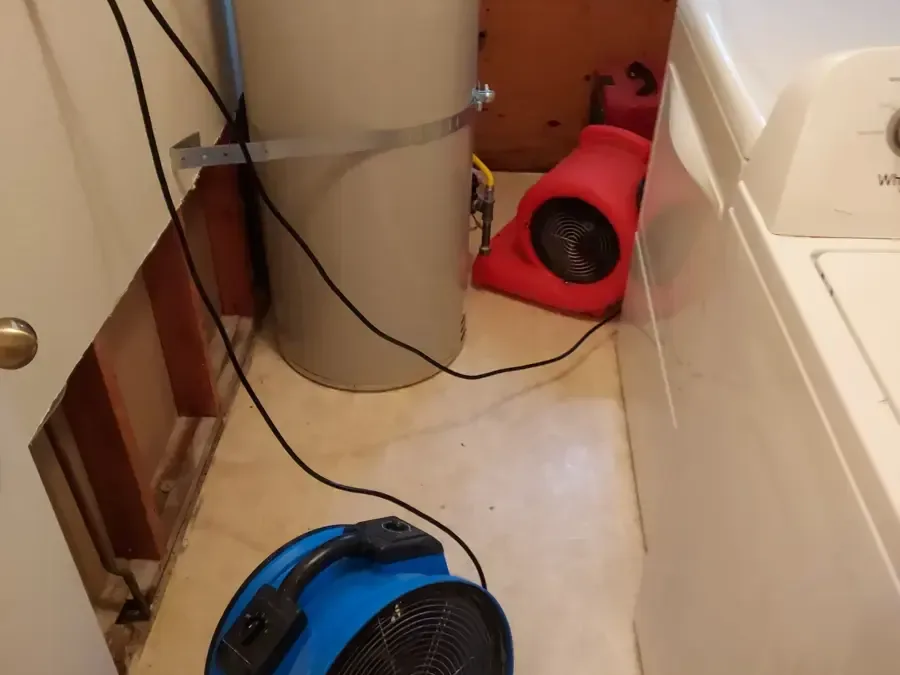
A leaking tank can leave moisture behind nearby baseboards. Cleanup covers the enclosure and adjoining surfaces after the equipment is made safe.
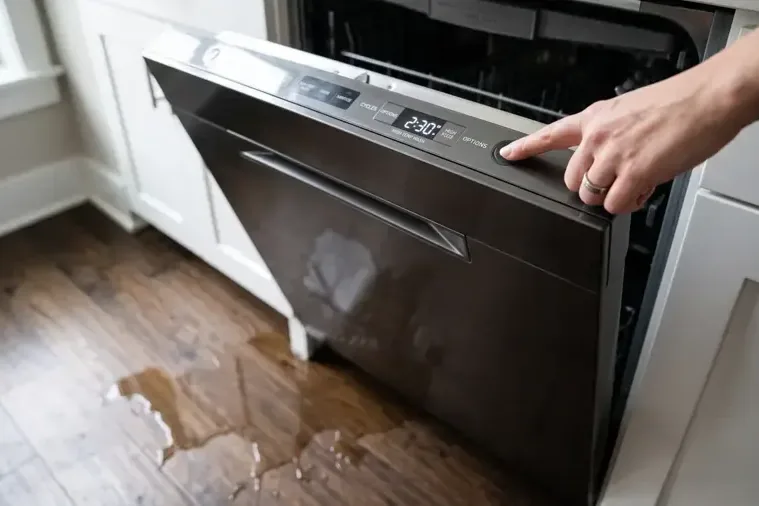
Appliance Leak Water Damage
Dishwasher and laundry leaks can hide under cabinets. The wet footprint matters as much as the appliance that first drew attention.
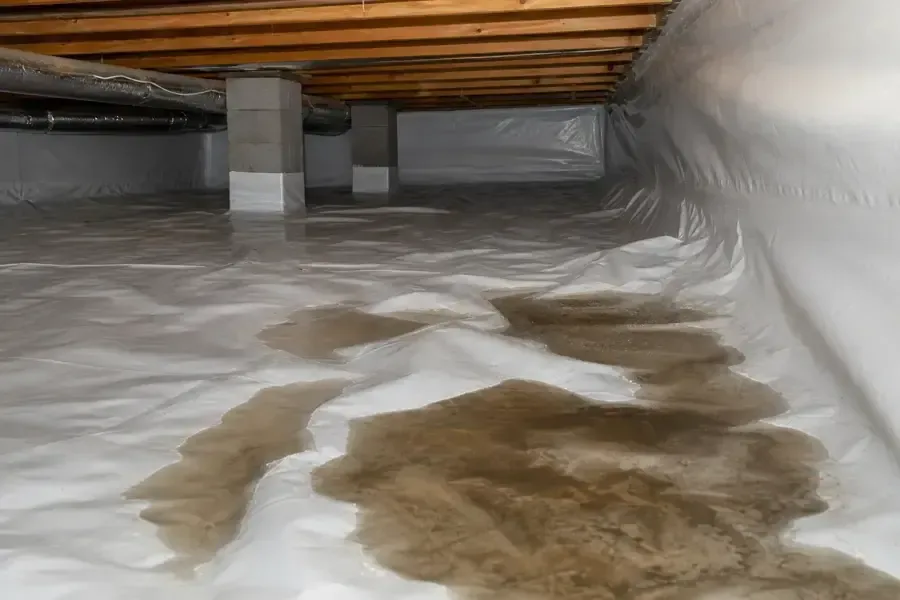
Crawl Space Water Removal
Water under a building needs a safe access plan. Removal includes attention to trapped pockets, insulation and moisture against accessible wood.
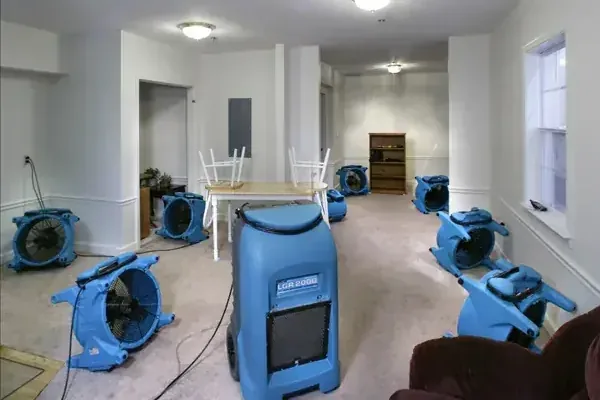
Structural Drying and Dehumidification
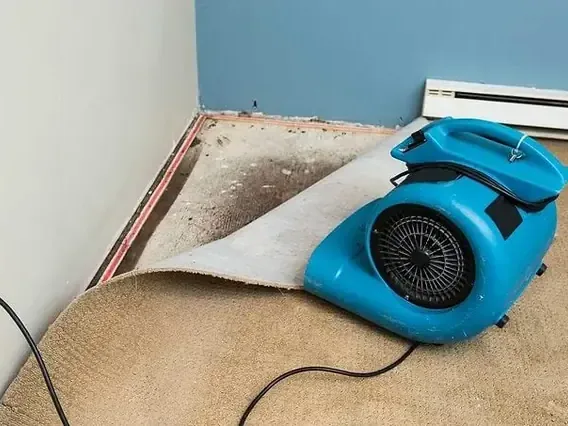
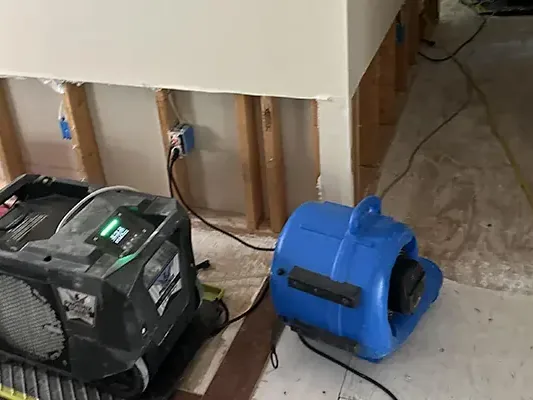
A dry looking surface can cover a damp assembly. Equipment placement and repeat readings help establish when materials are ready for repair.
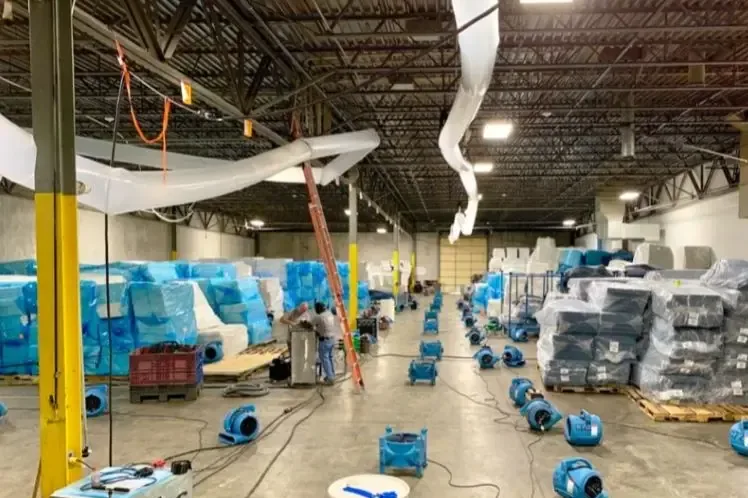
Commercial Water Damage
Occupied business premises need controlled work areas and clear access. Cleanup planning accounts for stock, shared spaces and ongoing building operations.
Clarity during an unfamiliar problem
A worried property owner needs an explanation of what became wet, what can remain and what happens next. A clear record supports those decisions.
An understandable scope
The assessment should identify affected rooms and assemblies in ordinary language. A homeowner can then connect proposed removal or drying work to the visible damage.
Attention to concealed edges
Moisture beneath trim or at a cabinet base can survive surface cleanup. Inspection should include these boundaries before the wet area is considered fully mapped.
Access planned around occupants
Children, pets and household routines affect where work boundaries belong. Safe passage and equipment access should be discussed before the drying setup occupies a room.
A usable completion record
Readings, photographs and material notes help explain the finished mitigation work. They also give repair contractors a clearer starting point for replacing damaged finishes.
How the dry-out progresses
Establish the wet footprint
Readings around the visible damage help separate affected assemblies from nearby dry areas. The initial record also provides reference points for later checks.
Remove what blocks recovery
Standing water and unsalvageable wet materials can prevent effective drying. Controlled removal opens only the areas needed for safe access and moisture release.
Adjust the drying arrangement
Air movement and dehumidification must fit the exposed surfaces and room conditions. Equipment positions can change when readings show a slower drying pocket.
Prepare the repair handoff
Final observations identify remaining repair needs and the materials that reached the drying goal. Replacement finishes belong after that assessment, not before it.
What changes the cleanup cost?
Arcadia cleanup costs depend on water volume, contamination, access and the layers that became wet. A small spill on an exposed surface is a different job from water beneath cabinets or inside a ceiling. The inspection should explain those differences in writing.
Small accessible area
- Open floor collection
- Accessible edge checks
- Initial moisture mapping
Saturated room
- Absorbent finish assessment
- Room boundary extraction
- Remaining drying needs
Extensive water removal
- Connected space inspection
- Broader collection access
- Expanded material documentation
Before discarding household contents
Photographs and an item list can preserve details about damaged possessions. The insurer can explain its documentation requirements, while unsafe or contaminated items should remain outside household use during that discussion.
A drying estimate and a reconstruction estimate may cover different tasks. Comparing their descriptions helps identify missing repair work and prevents an assumption that every damaged finish is included in mitigation.
An itemized estimate should distinguish cleanup, drying and reconstruction. Extraction details explain the first stage, while structural drying addresses moisture left inside materials.
Water removal and material access
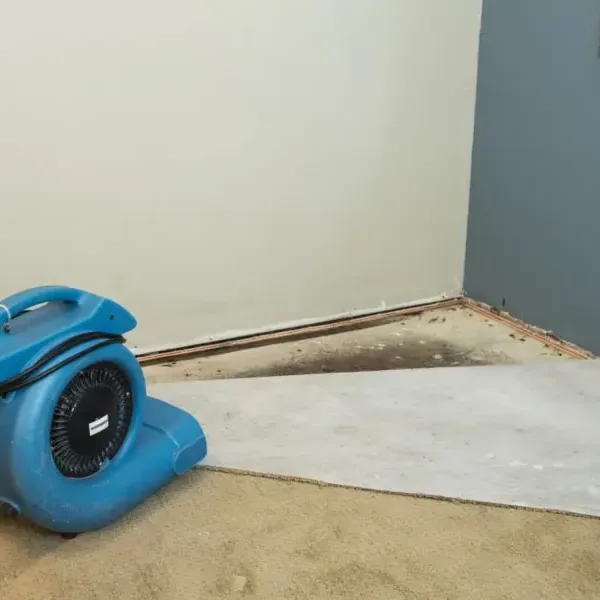
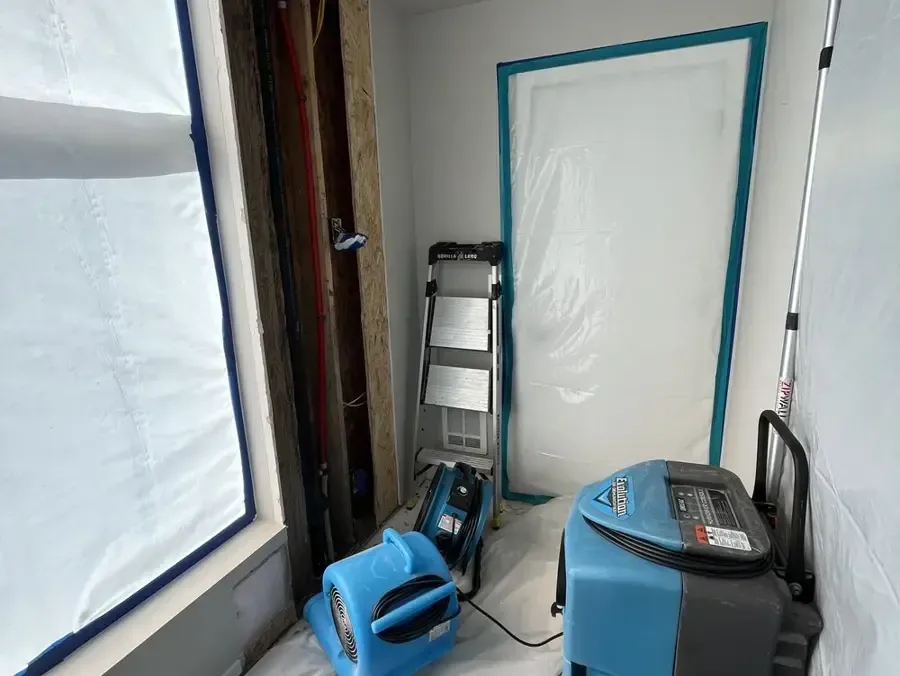
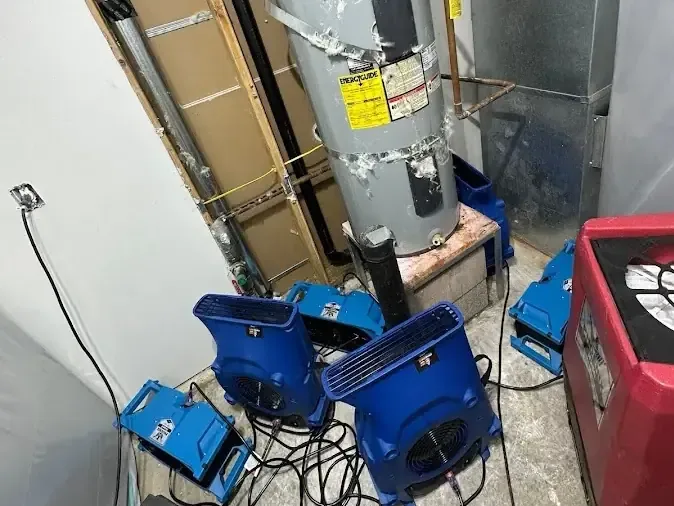
Follow the moisture through the building
The mitigation team works from observed damage toward measurable drying goals. Each decision should connect to a wet material, a safety concern or a practical access requirement.
Inspect the source
Track material moisture
Check completion
The source changes the handling
Supply water
A plumbing release begins with source investigation. Time, contacted surfaces and room conditions affect how the water and damaged materials should be handled.
Trace escaped waterUsed household water
Appliance discharge may carry residues into cabinets and flooring. Cleanup addresses these contact surfaces alongside puddle removal and assessment of the concealed wet edges.
Inspect appliance recessesSewage or outdoor entry
Wastewater and runoff require care around contamination. Restricted entry, controlled disposal and suitable cleaning precede the return of an affected room to normal use.
Contain wastewater contactMake the room safer before moving belongings
- Keep clear of hazards. People and pets should stay outside sewage, wet electrical areas and rooms beneath a bulging ceiling until the hazards are addressed.
- Limit the source safely. An accessible shutoff may stop a plumbing release. A valve behind standing water or damaged equipment should remain untouched until professional assessment.
- Record the visible changes. Photographs from a dry doorway can preserve the water pattern, damaged finishes and affected belongings without crossing the wet area.
- Arrange property access. A tenant should notify the manager. The person authorizing entry should identify locked rooms, shared spaces and any restrictions before equipment arrives.
- Leave wet layers visible. New rugs, paint or replacement flooring can conceal moisture. Repair decisions should follow extraction and an assessment of the underlying materials.
Document damage and decisions
Coverage depends on the policy and the cause of the loss. A useful claim record describes what happened, which materials became wet and what work followed.
- Photograph the first visible water pattern
- Record when the problem was discovered
- Keep source repair and cleanup invoices
- List belongings affected by the release
- Save drying notes and final observations
Plan before you call
Nearby service areas
Water damage questions in detail
Sierra Madre Sewage Backups and Private Laterals
Sierra Madre sewage backups involve private laterals, public mains and contaminated rooms. See reporting, access control, plumbing findings and cleanup.
Monrovia Rental Pipe Leaks and Repair Access
Monrovia rental pipe leaks need clear occupant reports, authorized repair access and room records. Follow the handoff from source control to measured drying.
Monrovia Business Water Losses and Drying Zones
Monrovia business water losses need protected stock, clear work boundaries and documented room releases. See access planning, equipment routes and drying.
Homes and business interiors across town
Describe the entrance and wet area
For a home in Anoakia Estates, access instructions should identify the affected room, available entrance and any locked interior spaces before the assessment.
Near West Arcadia Hub, a business contact can explain deliveries, customer access and shared building areas that must remain usable during cleanup.
(888) 578-6508Explain the access arrangementsArcadia, CA · [email protected]
Roads and access landmarks
Listed ZIP codes
Nearby service areas
A valley city with varied housing
Arcadia sits at the base of the San Gabriel Mountains in the San Gabriel Valley. Its residential development spans several periods, so an assessment should examine the building as it stands today.
2000: The former Anoakia estate was redeveloped for 31 luxury home sites, adding another chapter to the city's residential history.
A changing housing landscape
Small farms and chicken ranches gave way to residential development during the 1920s and 1930s. Present materials and later alterations shape each cleanup.
Postwar subdivision growth
Many chicken ranches became home lots after the war. A moisture assessment should follow actual room connections and accessible wall cavities in the affected property.
Continued residential expansion
Housing growth extended through the 1950s and 1960s. Current roof layers, floor finishes and plumbing repairs need inspection individually when a leak occurs.
A channel through the city
Santa Anita Wash flows through a concrete channel. Indoor storm cleanup follows the entry route and materials contacted by water at the particular building.
Shared utility responsibilities
The City of Arcadia provides residential water and sewer services. Stopping a source problem and restoring a wet interior are separate tasks to coordinate.
Questions before cleanup begins
Water appearing in more than one room?
Describe the first wet spot and where moisture appeared afterward so the assessment can follow the likely spread through connected spaces.
(888) 578-6508Trace the spread between roomsWhat belongs in the first damage description?
The useful details are the room, the apparent source, whether water is still arriving and any electrical or overhead hazard. Photographs from a safe position add context. A property manager or owner should also identify who can authorize access and which spaces cannot currently be entered.
Can a floor feel dry while materials remain wet?
Yes. Moisture can remain beneath a finish or inside a wall even after the exposed surface loses its sheen. Measurements at accessible materials and room boundaries help determine the wet footprint. Replacement trim or flooring should follow a drying assessment rather than an appearance check alone.
Does a tenant need to contact the property manager?
A tenant should report the leak and visible damage promptly, then follow the property's emergency access procedure. The manager may need to arrange plumbing repair, authorize material removal or coordinate another unit. Keeping photographs and a brief discovery timeline helps everyone work from the same information.
Is plumbing repair included with drying?
The leaking component and the wet building materials need separate attention. A plumber may address the source while the mitigation team removes water and dries the affected assembly. The written scope should explain who handles each task and when the source is stable enough for recovery work.
What happens to a soaked cabinet base?
Its material, condition and accessibility determine the next step. The drying team checks the floor edge and concealed space around the cabinet instead of judging only the exposed face. Some assemblies allow targeted access; others require removal of damaged components before retained moisture can be addressed.
Can a room stay occupied while equipment runs?
That depends on the water condition, electrical safety, work boundaries and the intended use of the room. Hoses and equipment also affect access. Occupancy decisions should follow the site assessment, with children and pets kept outside active work zones and any contaminated or unstable areas.
How does outdoor water change cleanup?
Runoff may bring soil and other contamination across the threshold. The response therefore considers what contacted the water, which porous materials can remain and how waste will leave the building. Removing the puddle is only part of returning the affected space to a usable condition.
What should the completion paperwork contain?
A useful record identifies the affected materials, removal work, equipment period and final moisture observations. It should distinguish completed mitigation from remaining reconstruction. That separation helps the homeowner discuss the next repair stage and gives the insurer a clearer account of the work actually performed.
Are landmarks useful when arranging access?
Yes. Newcastle Park on Colorado Boulevard or a familiar corridor can help describe the general area, followed by private access details during scheduling. The cleanup assessment still concerns the particular property: its entry points, affected rooms, available power and any hazards that prevent safe access.
Turn the visible damage into a workable plan
A clear account of the source and affected rooms helps the restoration team organize the next practical cleanup steps.
(888) 578-6508Begin with the damage details