Sewage Backup Cleanup in Duarte, CA
The sewage cleanup crew isolates wastewater exposure, removes contaminated porous materials and cleans suitable remaining surfaces. Duarte households receive a defined work boundary and a drying plan after the backup source is controlled.
(888) 578-6508Contain the wastewater exposure now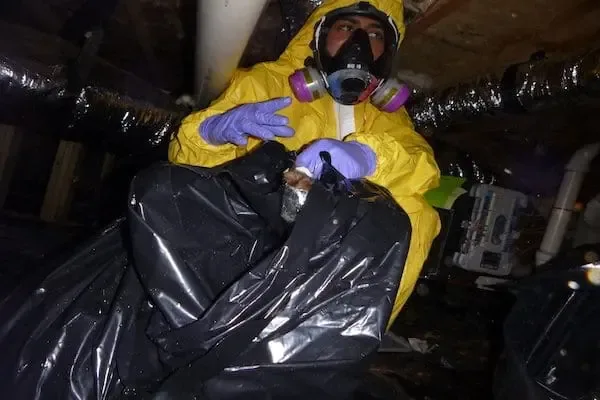
How the sewage backup cleanup team works
Rapid local response
The response team handles urgent water losses through 24/7 dispatch. The initial discussion identifies active water, unsafe rooms, affected materials and access so the assessment begins with the right priorities.
IICRC S500 drying standard
The drying crew sets material-specific goals using the IICRC S500 standard. Extraction, humidity control and repeated meter readings work together to address moisture beyond a floor that merely looks dry.
Claim-ready documentation
The mitigation team records the source description, room measurements and visible damage before removal. Dated photographs and daily moisture records keep the drying work understandable for the owner and the adjuster.
Local water experts
The restoration assessment distinguishes indoor supply failures from rainwater entry. Technicians inspect the actual wall and floor assembly, explain access needs and keep occupied areas separate from equipment and wet materials.
First steps for sewage backup cleanup in Duarte
- Stop feeding the backup. The household avoids using connected fixtures until a plumbing professional assesses the restriction and explains which plumbing can safely remain in service.
- Keep the affected room closed. People and pets stay outside wastewater-contact areas; household fans remain off so untreated contamination does not move into clean rooms.
- Document from a safe position. Doorway photographs can show the affected floor and fixture without walking through sewage or handling wet possessions before the cleanup assessment.
- Identify clean access. The owner describes a route for the crew and debris that avoids unaffected rooms, along with any tenant or manager coordination needed.
What does sewage backup cleanup cost in Duarte, CA?
Sewage backup cleanup in Duarte commonly ranges from $2,000 to $7,500, with wider contamination or multiple room assemblies costing more. Disposal, containment, cleaning access and the volume of contaminated porous materials drive the scope in addition to affected floor area.
Contained hard-surface room
- Restricted cleanup boundary
- Wastewater removal
- Surface cleaning and drying
Porous material exposure
- Carpet or wall removal
- Controlled debris handling
- Remaining assembly drying
Extensive contamination
- Multiple affected spaces
- Complex contents handling
- Broader containment and logs
Documentation for your insurance claim
The restoration team records a moisture map, daily psychrometric logs, timestamped pre-demolition photos, water category and material class. A line-item scope explains the equipment and removal work. Sudden accidental leaks, long-running damage, sewer backups and outdoor floods have different policy terms. The homeowner checks coverage with the insurer. The Duarte water damage cost calculator offers a planning range; category, square footage, material class and drying delay shape the actual scope.
The sewage backup cleanup process
Identify the exposure
The technician records overflowing fixtures and contacted surfaces, then sets a contamination boundary and safe crew access before equipment or removal begins.
Remove sewage and porous debris
The cleanup crew collects wastewater and removes unsalvageable absorbent materials, using protective equipment and controlled transport to protect adjacent clean areas.
Clean suitable remaining surfaces
Workers remove residue before applying the selected EPA-registered antimicrobial at its label dwell time, documenting the treatment and the materials that remain.
Dry and record remaining materials
The drying team monitors salvageable assemblies after cleaning, recording moisture changes and clarifying separate plumbing repair or finish replacement before the job closes.
Sewage is Category 3 water as soon as it enters the room. A small overflow can contaminate more than its visible puddle because foot traffic, splashing and absorbent materials carry wastewater outward. The cleanup team establishes the affected boundary before pumping, removing finishes or starting airflow. Children and pets remain outside that boundary throughout the work.
Sewage cleanup decisions in Duarte
A backup inside a property along Huntington Drive needs source correction and interior cleanup as separate tasks. The plumbing professional investigates the drain restriction, while the mitigation crew documents contacted floors, walls and contents. Royal Oaks and Duarte Road identify local service areas; the condition of the actual room determines removal, protective equipment and access.
The household stops using fixtures that could feed the backup until a plumbing professional provides direction. The source can remain active even after a toilet bowl looks settled. The team records which fixtures overflowed and where wastewater traveled, including closets and adjoining rooms reached by a shared floor.
Removing contaminated materials safely
Workers use protective gloves, suitable boots, eye protection and protective clothing, with respiratory protection selected for the exposure and task. The crew contains removal work and controls air movement to protect clean areas. Carpet cushion, insulation and other contaminated porous materials do not become suitable for reuse simply because equipment dries them.
- Removal extends above the visible waterline where porous materials absorbed sewage.
- Bagging and controlled transport keep debris out of clean walking routes.
- Contents need individual evaluation based on material and exposure.
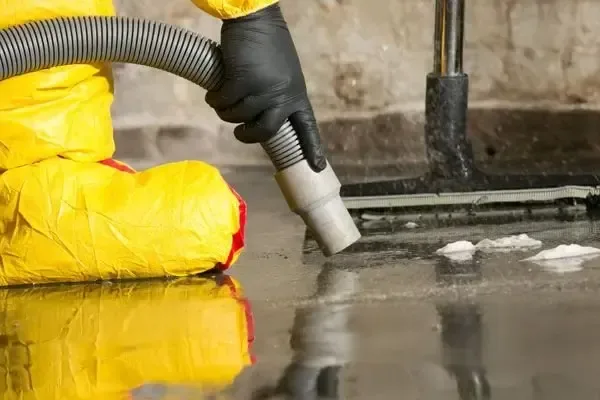
- Standing wastewater requires collection and disposal appropriate to the loss.
The cleanup crew removes soil and residue from suitable remaining surfaces before applying an EPA-registered antimicrobial according to its label and dwell time. Product application is not a substitute for physical cleaning or removal. The work record explains the sequence rather than presenting a spray treatment as the entire job.
Drying after the cleanup boundary is clean
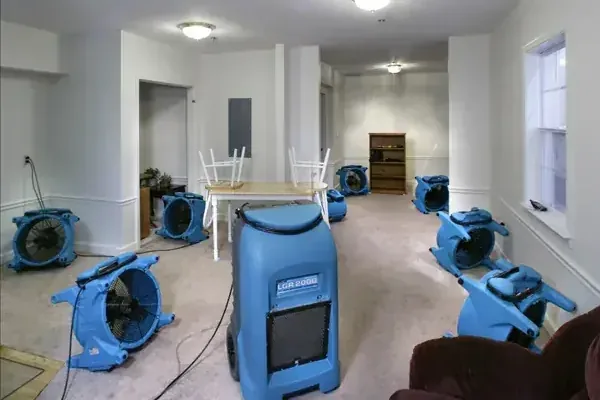
Technicians assess remaining framing and other salvageable assemblies after removal and cleaning. Dehumidification and controlled airflow then address moisture without spreading untreated contamination. The drying map follows the remaining materials, including wall cavities exposed above the original floor water.
The owner receives photographs, the affected-room map and a scope distinguishing plumbing, disposal, cleaning and drying. Sewage backup coverage depends on the policy and any applicable endorsement. The CDC flood safety information addresses contaminated-water precautions, while EPA disinfectant information explains the importance of selecting and using registered products correctly.
Sewage backup cleanup in Duarte
Restoration coverage includes homes and businesses along Huntington Drive, Royal Oaks, Mel Canyon, Fish Canyon and Duarte Road, with ZIPs 91008, 91009 and 91010. The assessment starts with the affected property and its safe access, including any closed routes during a storm.
Service areas also include Monrovia, Arcadia, Azusa, Baldwin Park, Sierra Madre.
Related water damage services in Duarte

Sewage Backup Cleanup questions in Duarte, CA
A clearer next step
Wastewater needs a controlled cleanup boundary. The team assesses contact, removal and clean access before airflow starts or contaminated materials leave the room.
(888) 578-6508Describe the wastewater contact areaIs a toilet backup always treated as contaminated water?
Sewage entering a room is Category 3 water from the start. The cleanup assessment traces contact beyond the visible pool, including absorbed water and tracked contamination. The crew chooses containment, protective equipment and removal accordingly, rather than treating a small volume as an ordinary clean-water spill.
Can carpet touched by sewage be dried and kept?
Contaminated porous materials such as carpet cushion require removal. The crew evaluates the complete assembly and nearby wall bottoms, since absorption can extend above the visible waterline. Drying alone does not remove sewage contamination or make an absorbent material appropriate to retain inside the home.
Should the household spray disinfectant before the crew arrives?
The household should avoid entering and disturbing the affected area. Effective cleanup includes residue removal, suitable product selection and the required label dwell time. Spraying a visible surface does not address hidden absorption or remove contaminated materials, and mixing household chemicals can create additional hazards.
Does the restoration crew clear the blocked sewer?
Drain correction and interior mitigation are distinct parts of the response. A plumbing professional investigates and clears or repairs the source. The restoration scope covers wastewater, affected materials, cleaning and drying. The owner should confirm who performs each task and whether fixture use can resume.
When can air movers start after a backup?
The cleanup team first assesses the exposure, removes affected porous materials and cleans suitable remaining surfaces. Airflow then supports drying under the planned controls. Running household fans through untreated sewage can move contamination into clean areas, so the room stays isolated until the crew establishes the sequence.
What should the owner ask the insurer?
The policyholder asks whether sewer backup coverage or an endorsement applies and what records the insurer needs. Photographs, the source description, affected-material inventory and line-item scope explain the loss. The cleanup team documents observed conditions; the insurance company determines coverage under the actual policy.
Keep sewage cleanup controlled from the start
The mitigation crew separates contaminated materials, cleans remaining surfaces and records the drying work.
(888) 578-6508Arrange contained sewage removal