Water Extraction and Removal in Duarte, CA
The Duarte extraction crew removes pooled water from affected rooms near Huntington Drive, Royal Oaks and Duarte Road. Moisture mapping follows the wet floor into adjoining materials before dehumidifiers begin the remaining dry-out.
(888) 578-6508Move from standing water to drying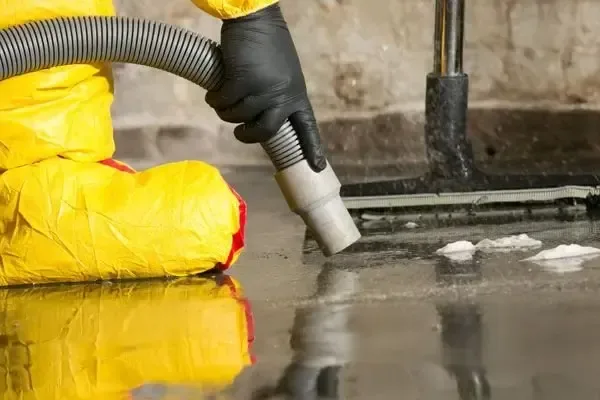
How the water extraction and removal team works
Rapid local response
The response team handles urgent water losses through 24/7 dispatch. The initial discussion identifies active water, unsafe rooms, affected materials and access so the assessment begins with the right priorities.
IICRC S500 drying standard
The drying crew sets material-specific goals using the IICRC S500 standard. Extraction, humidity control and repeated meter readings work together to address moisture beyond a floor that merely looks dry.
Claim-ready documentation
The mitigation team records the source description, room measurements and visible damage before removal. Dated photographs and daily moisture records keep the drying work understandable for the owner and the adjuster.
Local water experts
The restoration assessment distinguishes indoor supply failures from rainwater entry. Technicians inspect the actual wall and floor assembly, explain access needs and keep occupied areas separate from equipment and wet materials.
First steps for water extraction and removal in Duarte
- Avoid wet electrical areas. The household stays outside water near outlets, appliances and power equipment; a dry route is essential before anyone approaches the source.
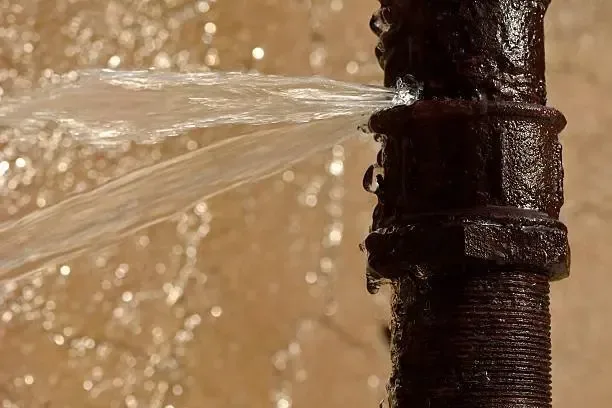
- Isolate accessible supply water. A safely reachable valve can stop additional flow, while a plumbing professional addresses the failed component separately from interior extraction.
- Protect the loss record. Photographs from the doorway show the water edge and contents before items move; nobody enters an unsafe room just to take pictures.
- Keep traffic outside the room. People and pets avoid wet floor coverings and equipment routes, particularly when the source includes wastewater or outdoor runoff.
What does water extraction and removal cost in Duarte, CA?
Water extraction in Duarte commonly ranges from $500 to $3,000 for a contained loss, with larger or contaminated spaces costing more. Depth, affected floor area, access and material recovery determine the extraction scope; ongoing structural drying adds separate equipment time.
Small accessible area
- Shallow standing water
- Accessible floor surfaces
- Initial moisture checks
Saturated room
- Carpet or layered flooring
- Multiple extraction passes
- Adjoining edges checked
Extensive water removal
- Several affected rooms
- More pumping and disposal
- Contamination precautions
Documentation for your insurance claim
The restoration team records a moisture map, daily psychrometric logs, timestamped pre-demolition photos, water category and material class. A line-item scope explains the equipment and removal work. Sudden accidental leaks, long-running damage, sewer backups and outdoor floods have different policy terms. The homeowner checks coverage with the insurer. The Duarte water damage cost calculator offers a planning range; category, square footage, material class and drying delay shape the actual scope.
The water extraction and removal process
Assess the source
The technician identifies entry points, electrical concerns and water category, then marks the affected surfaces and safe equipment routes throughout the room.
Remove the liquid load
The extraction crew selects pumping and surface tools for depth and material condition, working through pooled water before addressing saturation below coverings.
Check the remaining assembly
Moisture readings trace wet edges into wall bottoms and adjoining floors, while the crew explains any openings needed to expose trapped water.
Begin and document drying
The drying team places equipment for the remaining moisture load and records baseline readings, providing a clear handoff from extraction to monitored drying.
A puddle is only the visible part of a water loss. The extraction crew checks the source and contamination before choosing a pump, wand or floor tool. Water inside a wall, carpet cushion or cabinet base can remain after the open floor looks clear. The room assessment follows those pathways so the drying setup has a useful starting point.
Following water across a Duarte floor
Huntington Drive crosses the city, but the route to the property tells little about the wet assembly inside. The technician checks transitions between tile, carpet and wood, then examines nearby wall bottoms. At a home off Royal Oaks, access to a closet or adjoining room may matter more than the size of the original puddle. Those spaces belong on the moisture map when readings show spread.
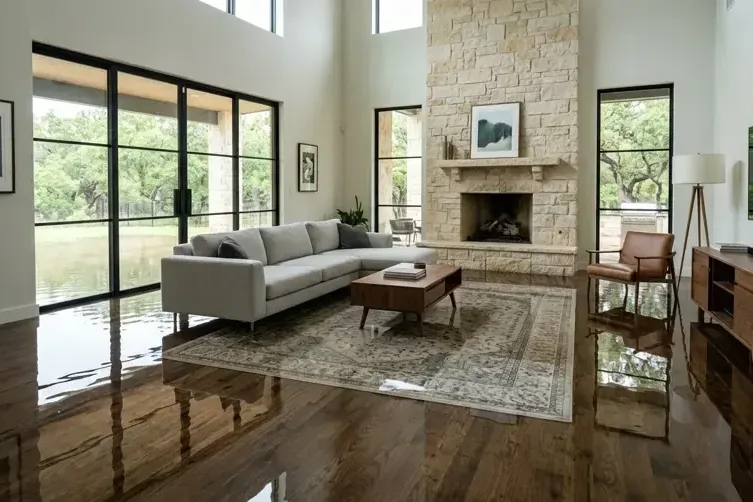
The San Gabriel River is part of the surrounding geography. Indoor water still needs its own source assessment: a supply failure and outdoor runoff call for different handling. The crew documents where the water entered and which materials it contacted before deciding whether a covering can remain.
February 2017: storm preparations closed Valley View School and restricted roads around Fish Canyon and Mel Canyon. During a present water-removal request, dispatch needs current access information so the household can follow closures while arranging assessment of the wet rooms.
Extraction before evaporation
Physical removal reduces the liquid load that air movers and dehumidifiers must handle. A pump removes deeper standing water; extraction tools then address recoverable water held in flooring. Technicians choose tools according to the surface and its condition rather than pressing the same tool across every room.
- Carpet assessment includes the cushion and subfloor below it.
- Hard surfaces need checks at seams, edges and wall junctions.
- Cabinet toe kicks can hide water outside the visible wet footprint.
- Contaminated porous materials require removal instead of repeated extraction.
The extraction crew checks discharge handling and keeps equipment cords away from walking routes. A household vacuum is not appropriate for standing water. The safety discussion includes electrical conditions and any uncertainty about the water source before work enters the affected room.
What follows the water removal
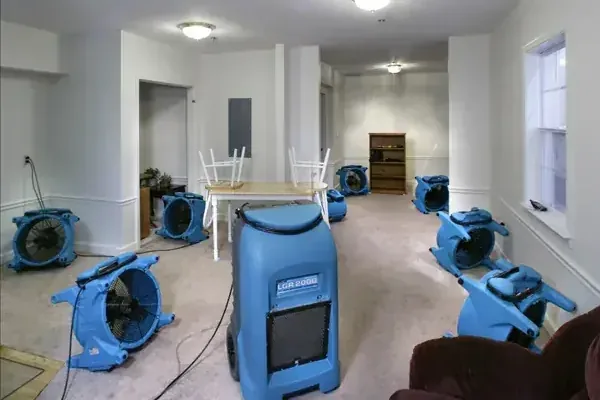
The drying team records initial material moisture and room conditions, then positions air movers and dehumidifiers for the remaining load. Repeated readings show whether flooring, wall bottoms and framing are progressing. If a hidden layer remains wet, the team explains the access needed to reach it instead of treating a dry surface as completion.
The final extraction record identifies the water source, affected rooms, materials removed and drying areas. Separate plumbing repair and replacement finishes belong in the work discussion. For household preparation, Ready.gov flood safety explains why moving water and unsafe electrical conditions require caution. The EPA indoor air quality information supports attention to moisture within occupied buildings.
Water extraction and removal in Duarte
Restoration coverage includes homes and businesses along Huntington Drive, Royal Oaks, Mel Canyon, Fish Canyon and Duarte Road, with ZIPs 91008, 91009 and 91010. The assessment starts with the affected property and its safe access, including any closed routes during a storm.
Service areas also include Monrovia, Arcadia, Azusa, Baldwin Park, Sierra Madre.
Related water damage services in Duarte
Water Extraction and Removal questions in Duarte, CA
A clearer next step
Standing water keeps feeding nearby materials. The extraction assessment checks the source, the wet boundary and safe access before equipment enters the room.
(888) 578-6508Address the pooled water firstCan a household wet vacuum replace extraction equipment?
A household device may collect a small spill when its instructions permit that use, but a building loss requires source, electrical and contamination assessment. Professional extraction tools address saturation and material access. The crew also checks below the surface before treating the water removal as complete.
Does extraction include drying the walls?
Extraction removes accessible liquid water. Wall and floor drying follows with airflow, dehumidification and material readings. The proposed scope should identify both stages clearly, including any controlled openings needed for wet cavities. The technician verifies retained moisture throughout the room assembly after removing the puddle.
Can wet carpet stay in place?
The source, exposure time and condition determine whether carpet can remain. The technician also examines the cushion and subfloor, which can retain water after surface extraction. Sewage exposure changes the decision because contaminated porous materials need removal rather than an attempt to dry them for reuse.
Why does the crew check the next room?
Water can travel beneath a continuous floor covering or through wall openings before it appears as a visible stain. Measurements in adjoining spaces establish the boundary. That check helps avoid leaving a wet layer outside the equipment setup and creates a more accurate record of the loss.
What should a caller report for overnight extraction?
24/7 dispatch needs the water source, whether flow continues, the affected rooms and any electrical or ceiling hazard. The caller also describes safe access and restrictions. Those observations help the team prepare for assessment without requiring the household to walk through water or test unsafe equipment. Around Fish Canyon and Mel Canyon, current road restrictions also belong in the access discussion.
What changes the extraction price?
Water depth, floor area, contamination and access affect labor and equipment. Saturated cushion, hidden cavities or multiple rooms can expand the scope beyond visible pumping. The technician records those conditions so the owner can distinguish liquid removal, disposal, structural drying and any separate repair work.
Start with the water that can be removed
The restoration crew checks the room, extracts accessible water and maps what still needs structural drying.
(888) 578-6508Arrange the extraction and moisture map