Water Damage Restoration Baldwin Park, CA
A puddle beside a cabinet can conceal a much larger wet area. Baldwin Park restoration begins by locating the source, protecting occupied rooms and checking where moisture traveled beneath visible surfaces.
(888) 578-6508Describe the water entry and affected roomsOwners and tenants can prepare access details, photographs and the time the damage was first noticed.
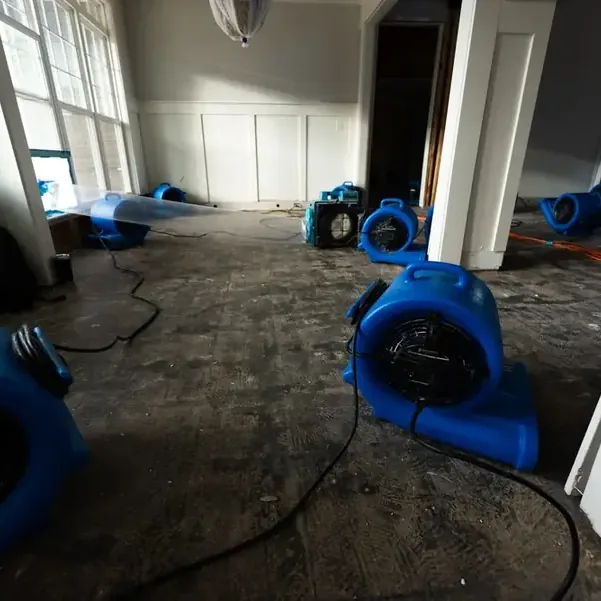
Cleanup built around the water source
The right starting point depends on where the water entered and what it touched. These services address distinct losses and the materials left wet.
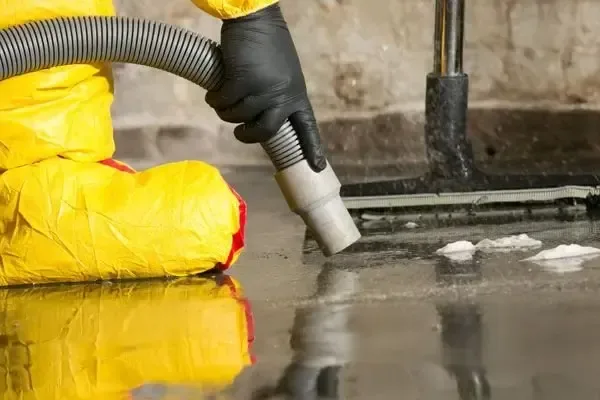
Water Extraction and Removal
Pooled water needs removal before equipment can dry the underlying assembly. Check floor edges and adjoining rooms after the surface clears.
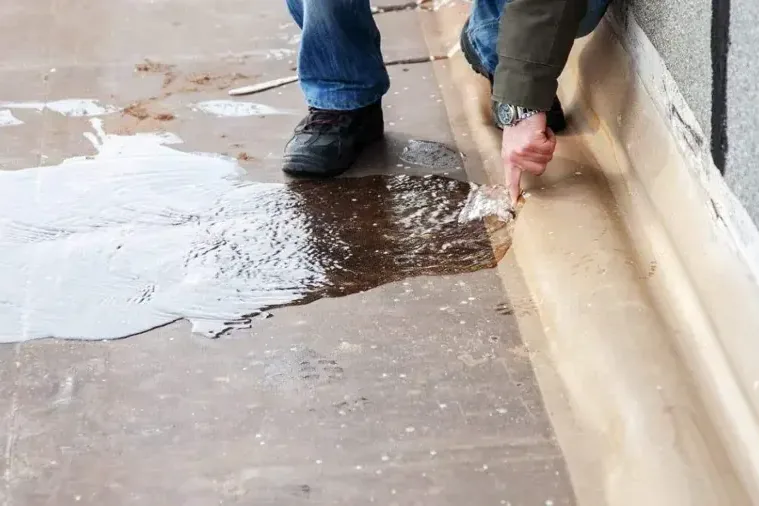
Slab Leak Water Damage
Damp flooring over concrete calls for a moisture map and plumbing investigation. Repair access and drying access serve different purposes.
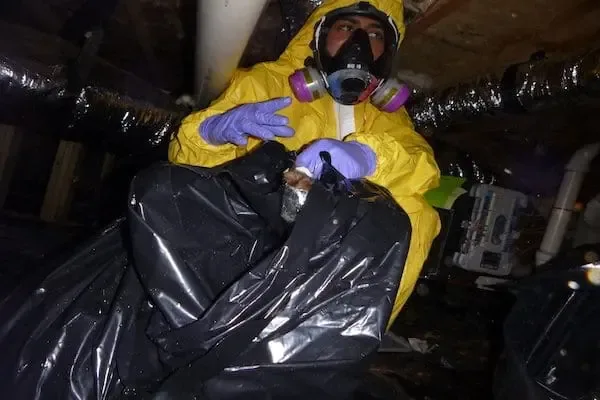
Sewage Backup Cleanup
Wastewater on a bathroom floor changes the cleanup approach. Separate the contact area, protect passageways and assess exposed porous belongings.
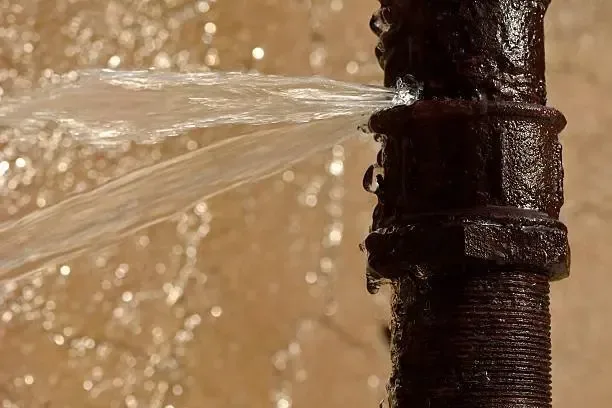
Burst Pipe Water Damage
A broken supply pipe can wet several rooms through a wall cavity. Stop the flow and trace the hidden spread.

Storm Flood Cleanup
Runoff entering a doorway may carry debris into flooring joints. Document the entry route before removing water and affected materials.
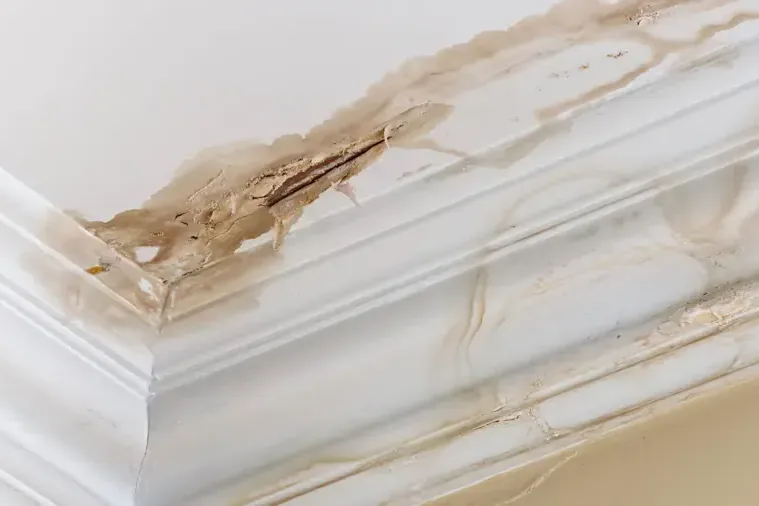
Roof Leak Water Damage
Rain can move along framing before a ceiling stain appears. Interior drying follows a roof repair plan and overhead inspection.
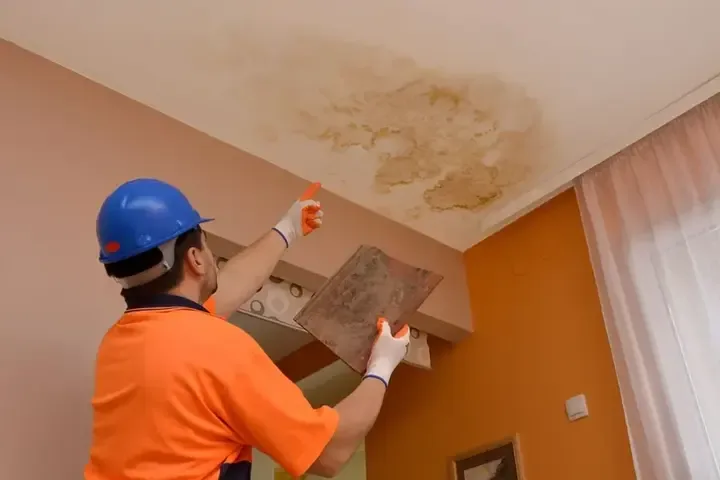
Ceiling Leak Water Damage
Swollen paint and sagging drywall deserve clear space below. Find the overhead source before deciding what ceiling material can remain.
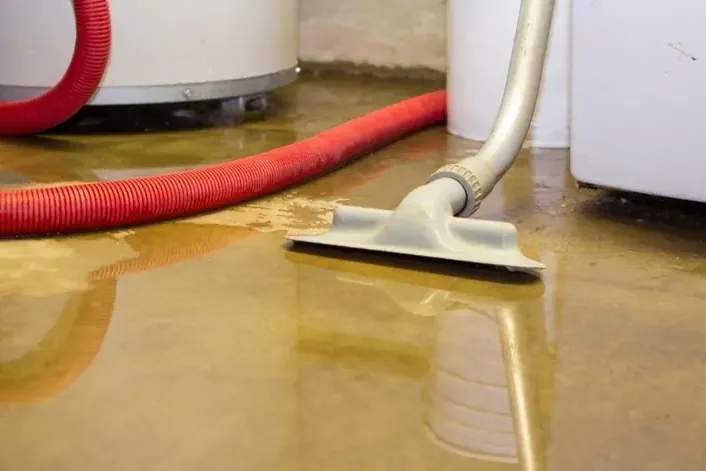
Water Heater Leak Cleanup
Water around a tank can reach nearby partitions and storage. Safe equipment isolation comes before extracting the spill and checking edges.
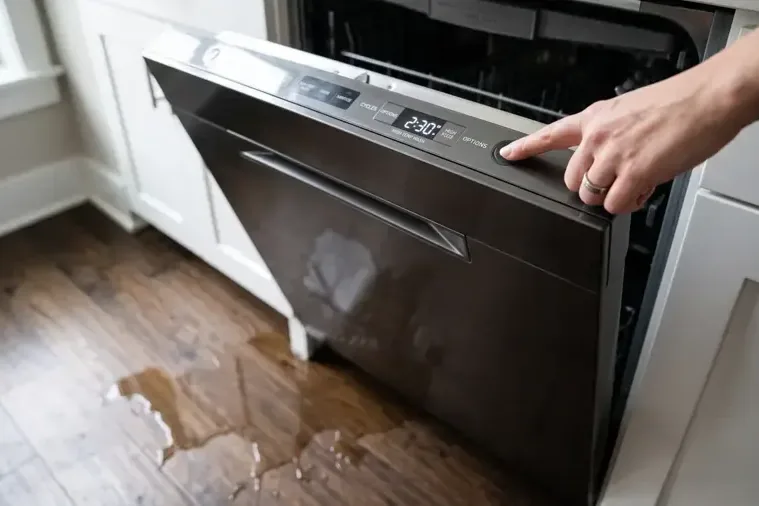
Appliance Leak Water Damage
A dishwasher or washer leak often disappears beneath finishes. Inspect the cabinet base, appliance recess and connected floor after shutdown.
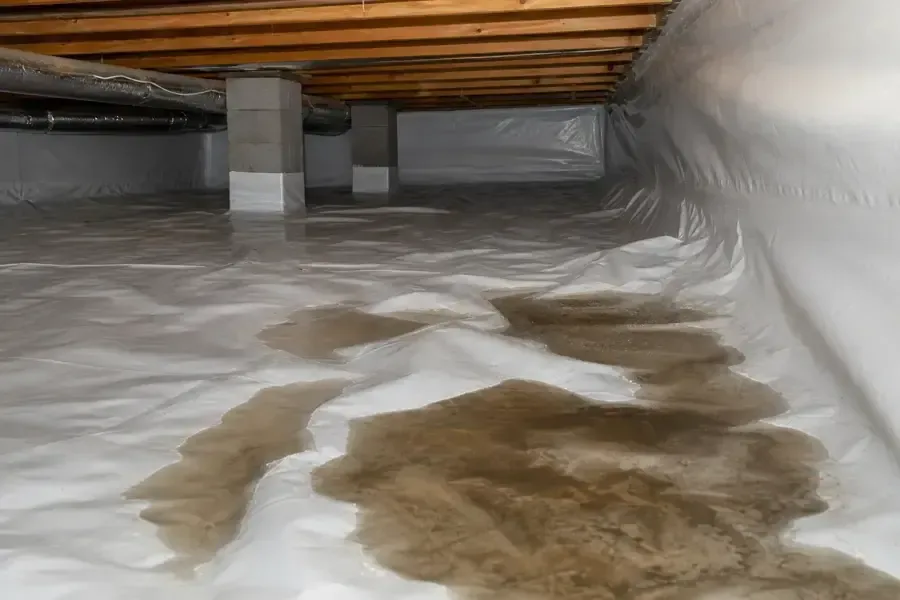
Crawl Space Water Removal
Where an underfloor space exists, standing water needs controlled access. Inspect insulation, supports and the vapor barrier after water removal.
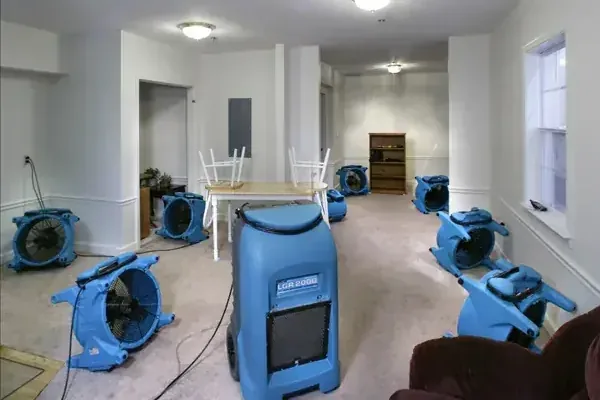
Structural Drying and Dehumidification
Dry surfaces can hide moisture within an assembly. Repeated readings help determine equipment placement and whether enclosed materials need additional access.
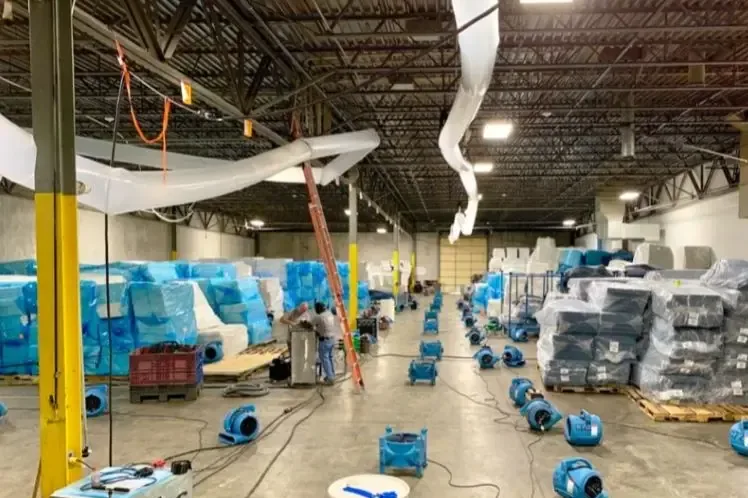
Commercial Water Damage
Business cleanup starts with safe access and a clear work boundary. Protect stock, equipment and occupied areas while wet materials recover.
Know what each cleanup step accomplishes
A useful assessment connects visible damage with moisture readings and a practical work scope, so each opening, removal and equipment placement has a purpose.
Source before finish
A replacement floor cannot solve an active leak. Restoration work should identify the separate repair needed before new finishes cover the affected assembly.
Room by room scope
Water can escape the original room. The assessment follows shared walls, thresholds and enclosed cavities so the work boundary reflects the actual spread.
Material decisions
Some surfaces can be cleaned and dried in place; others lose strength or retain contamination. Explain removal decisions before demolition changes the room.
A readable record
Photographs and moisture notes should connect the initial condition to later checks. Owners can use that record when discussing repairs and payment responsibilities.
How the dry-out progresses
Inspect the route
The mitigation team traces the release across visible surfaces and into accessible cavities, noting material changes and any safety issue that affects work.
Remove what cannot stay
Extraction clears pooled water. Damaged or contaminated material is evaluated separately so unnecessary demolition does not replace a careful assessment of the assembly.
Manage evaporation
Air movement and dehumidification work together. Equipment positions should account for room connections, exposed material surfaces and the amount of moisture being released.
Check before closing
Followup readings show whether the affected structure is ready for repairs. Finish installation should follow the drying assessment and the requirements of replacement materials.
What changes a Baldwin Park cleanup estimate?
Baldwin Park water damage costs depend on the amount of wet material, water condition and access needed for removal or drying. A contained spill can require a smaller scope than water trapped beneath cabinets or spread through connected rooms and overhead cavities.
Small accessible area
- Accessible standing water
- Limited floor section
- Initial moisture assessment
Saturated room
- Broader extraction work
- Wet flooring checks
- Room moisture mapping
Extensive water removal
- Connected interior spaces
- More removal equipment
- Expanded material evaluation
When paying directly
A direct payment estimate should distinguish urgent stabilization from later repairs. Ask which materials need removal, how equipment use will be recorded and what would change the proposed work.
Keep receipts and authorize scope changes in writing. Water extraction may be only the opening task when flooring layers or wall cavities remain wet.
These extraction ranges describe different removal scopes. Plumbing repairs, reconstruction and contamination control can change the total. A written assessment should separate those tasks from drying equipment.
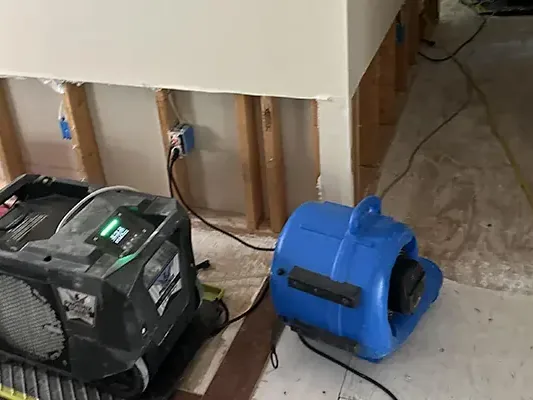
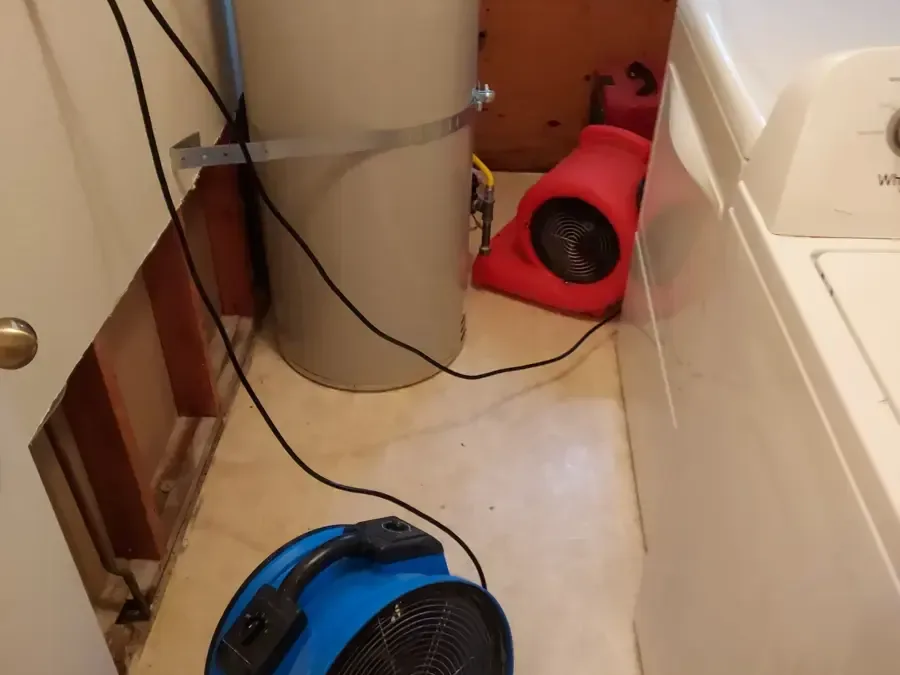
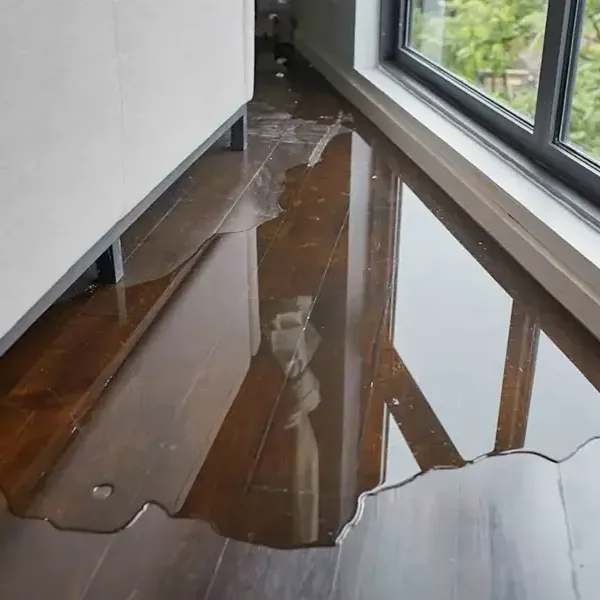
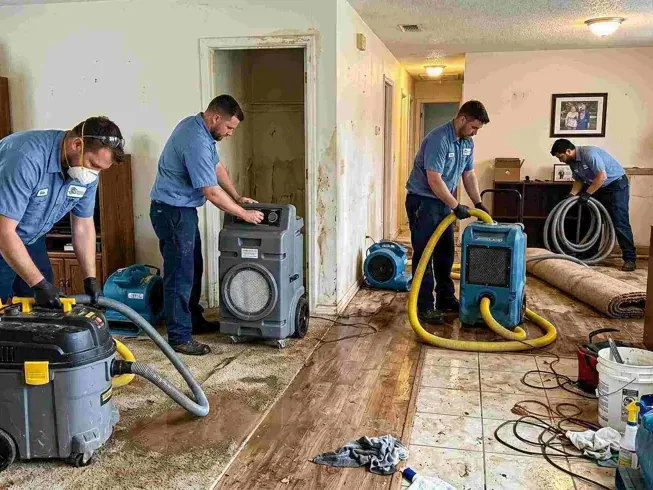
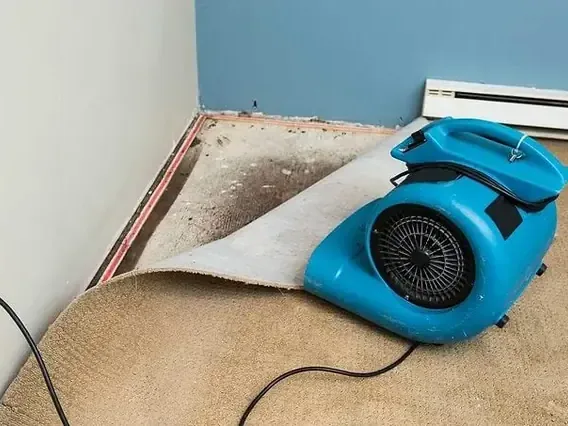
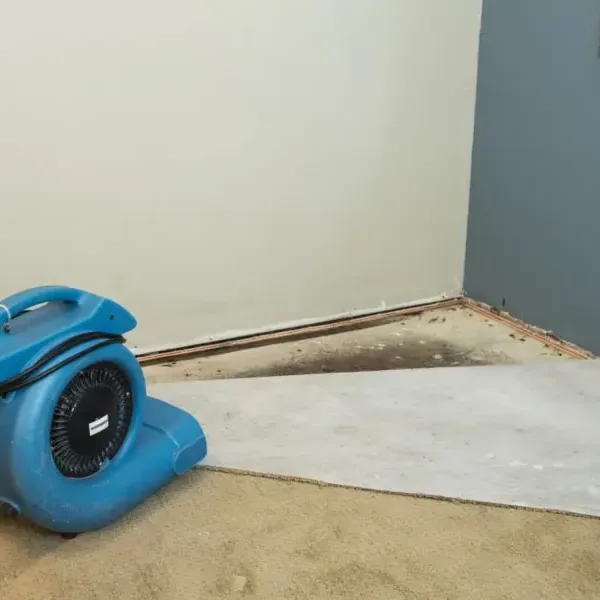
Water removal and material access in view
Follow the moisture through the building
A practical cleanup plan should explain both the immediate water removal and the checks that follow. Structural drying addresses moisture remaining after extraction finishes.
Map the spread
Set drying targets
Track progress
Water condition shapes the work
Supply water
A fresh plumbing release still needs prompt attention. Contact with dirty surfaces and time inside materials can change how the loss is handled.
Inspect contact surfacesUsed household water
An appliance discharge contains more than clean supply water. Residue, floor layers and affected belongings influence the cleaning and removal decisions.
Assess the discharge pathSewage or runoff
Water from a drain backup or outside flooding needs careful separation from occupied space. Avoid carrying wet belongings through unaffected rooms.
Control contaminated movementKeep the wet area safe and accessible
- Stay outside hazards. Avoid wet electrical fixtures, unstable ceilings and contaminated rooms. A safe doorway is a better observation point than a flooded floor.
- Limit the source. A reachable shutoff may stop a plumbing spill. Leave hazardous equipment and difficult valves for an appropriate repair professional to handle.
- Save a visual record. Photograph the entry point, affected finishes and damaged belongings from dry ground before anything is moved or discarded during cleanup.
- Notify the responsible contact. Tenants should inform property management promptly. Owners can coordinate restoration access and the separate repair of plumbing or roofing defects.
- Clear a dry route. Keep children and pets away. Identify an unobstructed entrance so assessment equipment can reach the affected rooms without crossing household clutter.
Document the loss as it changes
An organized record helps owners explain the source, affected areas and mitigation work. Coverage decisions belong to the insurer and depend on the actual policy and circumstances.
- Photographs before removal changes the room
- A timeline of discovery and source control
- Lists of wet contents and affected finishes
- Separate repair and mitigation scope descriptions
- Dated readings showing progress in wet materials
Plan before you call
Nearby service areas
Water damage questions in detail
Sierra Madre Sewage Backups and Private Laterals
Sierra Madre sewage backups involve private laterals, public mains and contaminated rooms. See reporting, access control, plumbing findings and cleanup.
Monrovia Rental Pipe Leaks and Repair Access
Monrovia rental pipe leaks need clear occupant reports, authorized repair access and room records. Follow the handoff from source control to measured drying.
Monrovia Business Water Losses and Drying Zones
Monrovia business water losses need protected stock, clear work boundaries and documented room releases. See access planning, equipment routes and drying.
Baldwin Park property access and service details
Prepare the access information
Properties near Morgan Park or along Ramona Boulevard may have different entry arrangements. The assessment needs the affected room and an available property contact.
Mention locked gates, shared entrances and occupied rooms when discussing access. Describe any standing water between the entrance and the damaged area.
(888) 578-6508Explain the access and water sourceBaldwin Park, CA · [email protected]
Streets to mention
Postal area
Other service areas
Runoff routes and household water losses
Baldwin Park sits in the central San Gabriel Valley. City drainage information identifies local flooding locations, while household cleanup still begins with the water source and conditions inside the affected property.
February 2026: The Greenway Phase II extension connected to Walnut Creek Nature Park, adding landscaping and amenities along the community route.
Drainage intersections
The city identifies observed flooding at Barnes Avenue and Aukland Street. Water entering a home there needs an inspection of the actual threshold and interior contact path.
Stormwater capture design
The Barnes Park project design routes pretreated runoff into subsurface storage for infiltration. Property cleanup still requires separation of outdoor water from dry household rooms.
Another documented location
Syracuse Avenue and Finchley Street also appear in the city's observed flooding information. Photographs of the entry point can help establish how water reached interior finishes.
Different household contacts
Owner occupied and rented housing both appear in the census record. Tenants need management notification, while access permission and building repair decisions should have a named contact.
Water provider coordination
The utility directory lists Valley County Water District, San Gabriel Valley Water Company and Valley View Mutual Water Company. Match the property account before requesting utility assistance.
Questions before restoration starts
Describe what changed inside
Share the first visible sign, the affected room and any active leak so the assessment starts with a clear picture.
(888) 578-6508Talk through the damage observationsDoes a dry surface mean the room is ready?
A floor can feel dry while moisture remains in its backing or the wall beside it. The drying team checks affected materials and compares readings with suitable dry references. Replacing finishes should wait until those checks support the next repair step, rather than relying only on appearance.
What should a tenant do after finding water?
A tenant should avoid the wet area if electricity or overhead material creates a hazard, then notify management and describe the source if visible. Photographs from a safe position are useful. Permission for opening walls, moving fixed appliances or replacing building materials should be coordinated with the responsible property contact.
Can household fans handle a small spill?
A small clean spill on an accessible surface may be removable, but hidden spread changes the task. Water beneath a cabinet or through flooring joints needs assessment. Household fans cannot show whether an enclosed layer remains wet, and airflow should not be directed across sewage or other contaminated material.
How does outside water change the cleanup?
Runoff can carry soil and other contaminants into the building. The work area may need isolation, controlled removal and cleaning before drying proceeds. A threshold photograph and a description of the outdoor water route help distinguish this loss from a broken interior supply pipe or overflowing appliance.
Will all wet drywall need removal?
The decision depends on water condition, material integrity and whether drying access is possible. Soft, damaged or contaminated drywall may need removal. An assessment should explain which section is affected and why opening it helps, instead of treating every visible stain as the entire repair boundary.
Who handles a leaking pipe or roof?
The source repair and the restoration scope should be coordinated as separate tasks. A plumbing or roofing professional addresses the defect, while the mitigation team assesses water affected materials. Documenting that repair is useful before drying equipment is removed or the opened assembly is covered again.
Can a business remain occupied during cleanup?
That depends on safe access, the affected systems and whether work can be separated from staff or customers. Keep exits usable and protect inventory from the wet zone. Contamination, electrical concerns or extensive overhead damage can change occupancy decisions even when some rooms appear untouched.
What does an estimate need to explain?
A useful estimate identifies the wet areas, proposed removals, cleaning tasks and drying approach. It should also distinguish equipment use from source repair and reconstruction. If inspection reveals hidden spread, the added scope should be described so the owner understands why the initial plan needs adjustment.
How is the end of drying determined?
Completion relies on material readings, condition and the needs of the planned repair. Floor assembly readiness requires readings from the affected materials alongside indoor humidity measurements. The final record should identify the areas checked and any remaining repair tasks, including work around cabinets, wall bases or enclosed overhead spaces.
Start with the room that changed
A clear description of the water source and affected finishes helps shape the next safe restoration step.
(888) 578-6508Discuss the loss and next steps