Storm Flood Cleanup in Duarte, CA
The flood cleanup team treats outdoor runoff as contaminated water and checks access before entry. Duarte storm losses need water removal, controlled disposal and a drying plan that follows the affected building assemblies.
(888) 578-6508Plan cleanup after the runoff enters
How the storm flood cleanup team works
Rapid local response
The response team handles urgent water losses through 24/7 dispatch. The initial discussion identifies active water, unsafe rooms, affected materials and access so the assessment begins with the right priorities.
IICRC S500 drying standard
The drying crew sets material-specific goals using the IICRC S500 standard. Extraction, humidity control and repeated meter readings work together to address moisture beyond a floor that merely looks dry.
Claim-ready documentation
The mitigation team records the source description, room measurements and visible damage before removal. Dated photographs and daily moisture records keep the drying work understandable for the owner and the adjuster.
Local water experts
The restoration assessment distinguishes indoor supply failures from rainwater entry. Technicians inspect the actual wall and floor assembly, explain access needs and keep occupied areas separate from equipment and wet materials.
First steps for storm flood cleanup in Duarte
- Respect closures and evacuation orders. The household follows current instructions and never crosses moving water to reach the property, photograph damage or meet a restoration crew.
- Keep contaminated areas separate. People and pets remain outside rooms reached by runoff, and household fans stay off until the cleanup team has assessed the exposure.
- Record the entry path safely. The caller describes the doorway, wall or other opening where water entered and any visible debris, using observations from a safe position.
- Preserve loss documentation. Photographs, damaged-content notes and current access restrictions help the team prepare a useful assessment without disturbing material before it can be recorded.
What does storm flood cleanup cost in Duarte, CA?
Storm flood cleanup in Duarte often ranges from $3,000 to $9,000, with deeper or broader contamination exceeding that range. The scope depends on safe access, debris, affected area, porous-material removal and the drying needs of the structure after cleaning.
Limited runoff entry
- Contained affected room
- Water and residue removal
- Controlled drying boundary
Multiple wet assemblies
- Porous material disposal
- Broader surface cleaning
- Framing and floor monitoring
Extensive interior flooding
- Several contaminated spaces
- Complex debris handling
- Longer drying and access work
Documentation for your insurance claim
The restoration team records a moisture map, daily psychrometric logs, timestamped pre-demolition photos, water category and material class. A line-item scope explains the equipment and removal work. Sudden accidental leaks, long-running damage, sewer backups and outdoor floods have different policy terms. The homeowner checks coverage with the insurer. The Duarte water damage cost calculator offers a planning range; category, square footage, material class and drying delay shape the actual scope.
The storm flood cleanup process
Confirm safe entry
The team checks access restrictions and visible structural or electrical concerns, then records the water entry route and the affected interior boundary.
Pump and remove damaged layers
Workers collect standing runoff and remove contaminated absorbent materials under controlled conditions, keeping debris routes and clean household spaces clearly separated.
Clean before moving drying air
The cleanup crew removes soil and residue from suitable surfaces and applies treatment as required by its label before the drying setup proceeds.
Measure the remaining moisture
Technicians track exposed framing and floor assemblies through dehumidification and airflow, documenting progress and any separate reconstruction needs for the owner’s records.
Outdoor runoff can bring soil, waste and debris through a doorway or damaged opening. The cleanup starts with safe access and a clear account of where water entered. A household should never cross moving water or a closure to inspect a room. The restoration team assesses the affected structure after current safety conditions permit entry.
Duarte storm access and water entry
February 17, 2017: storm preparations included hillside evacuations, the closure of Valley View School and road restrictions around Fish Canyon, Mel Canyon and Royal Oaks. That event illustrates why access belongs in the dispatch discussion alongside the interior water problem. Current instructions determine the safe route during a new storm.
The San Gabriel Mountains sit north of the city and the San Gabriel River forms part of its surrounding geography. At the property, the technician distinguishes runoff crossing a threshold from rain leaking through the roof. The water path, contacted materials and current source conditions determine the work, not a broad assumption that every building has the same flood exposure.
Removing water, residue and absorbed contamination
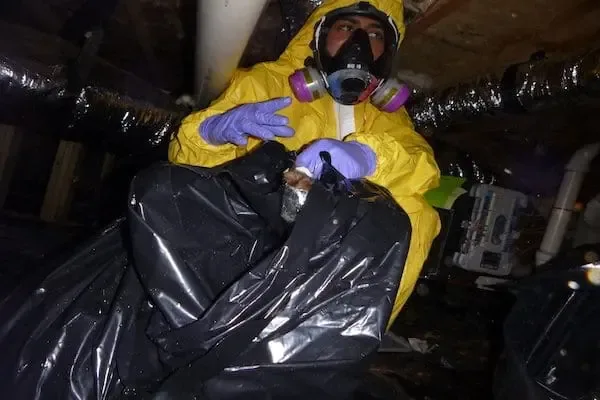
The crew establishes a controlled work area and selects protective equipment before pumping and debris handling. Soil and residue can remain after the standing water disappears. Contaminated carpet, insulation and other absorbent materials require removal so the team can reach suitable remaining surfaces for physical cleaning.
- The inspection records entry points and the highest visible wet boundary.
- Wall-bottom checks extend beyond the open floor where absorption continued.
- Debris handling keeps dirty materials away from clean contents and exits.
- Equipment routes remain separate from household walking areas where practical.
The cleanup team evaluates contents individually and documents disposal decisions. Surface treatment follows cleaning and the selected product’s label, including required contact time. Starting unrestricted fans before that sequence can spread contamination, so airflow remains part of the controlled work plan.
Drying the remaining structure
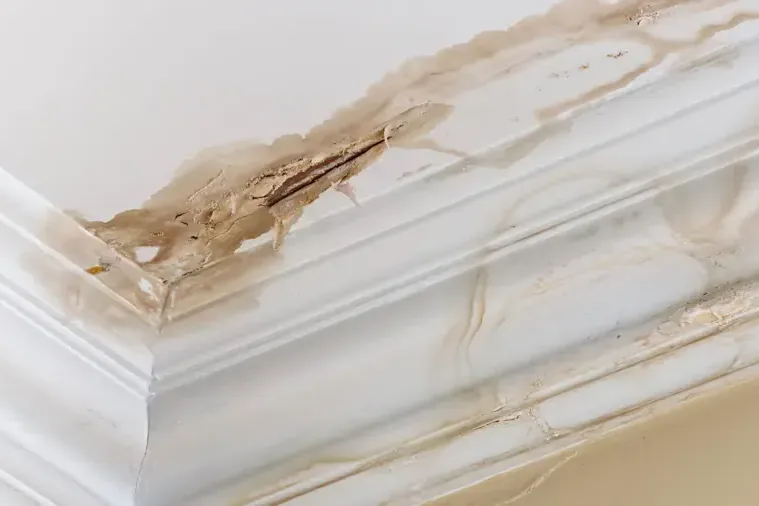
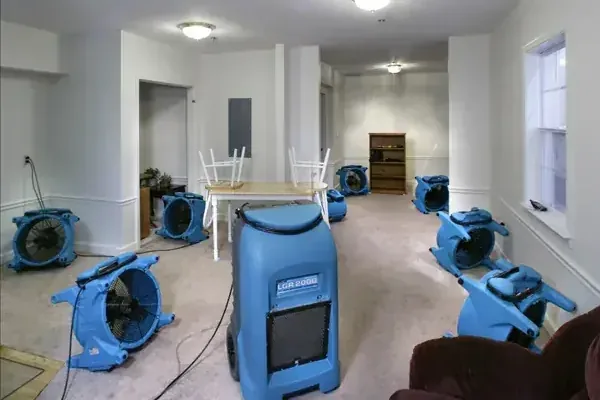
After removal and cleaning, the drying team measures retained moisture in framing, wall assemblies and floors. Dehumidifiers and air movers work together to address the exposed materials. The crew records progress and explains any additional access needed when a hidden layer remains wet.
Outdoor flood damage can involve insurance terms different from an indoor plumbing leak. The owner keeps the entry description, photographs, affected-material inventory and drying logs for the insurer. Ready.gov flood precautions address safe behavior around floodwater. The FEMA flood map information explains property-specific flood mapping without assigning a single risk zone to the entire city.
Storm flood cleanup in Duarte
Restoration coverage includes homes and businesses along Huntington Drive, Royal Oaks, Mel Canyon, Fish Canyon and Duarte Road, with ZIPs 91008, 91009 and 91010. The assessment starts with the affected property and its safe access, including any closed routes during a storm.
Service areas also include Monrovia, Arcadia, Azusa, Baldwin Park, Sierra Madre.
Related water damage services in Duarte
Storm Flood Cleanup questions in Duarte, CA
A clearer next step
Runoff cleanup begins with safe entry and contamination control. The team records the water path before removing damaged layers and drying the remaining structure.
(888) 578-6508Discuss safe entry and runoff cleanupCan the household enter as soon as rain stops?
Access conditions need checking even after rainfall ends. Moving water, closed roads, electrical hazards and unstable materials can remain. The household follows current emergency instructions and avoids the affected room until conditions permit assessment. The restoration team discusses entry restrictions before arranging cleanup access.
Why is outdoor runoff treated differently from supply water?
Runoff can pick up soil, waste and other contamination before entering the building. The cleanup plan therefore includes controlled handling and removal of affected porous materials. The crew does not assume that clear-looking floodwater is clean or that ordinary household fans are appropriate before cleaning.
Can a roof leak use the same cleanup plan?
A roof leak and surface flooding have different entry paths and contacted materials. The technician evaluates each source separately, including attic insulation for roof entry and contaminated floor layers for runoff. The resulting removal and drying plan follows actual conditions instead of using one storm label for every loss.
Do the 2017 closures predict current access?
The February 2017 event shows that hillside access can change during severe rain, but current orders govern a new event. A caller reports present closures and follows official instructions. The team should never use a past route or an old photograph as permission to cross a current restriction.
What is documented before contaminated material leaves?
The crew records affected rooms, entry points, visible water boundaries and the condition of contents and finishes. Photographs and an inventory support the removal scope. That record helps the owner explain the loss while keeping disposal, cleaning, drying and separate rebuilding tasks clear for review.
Does a standard homeowners policy cover runoff flooding?
Outdoor flooding can require coverage different from sudden indoor plumbing damage. The policyholder checks the actual policy and any flood coverage with the insurer. The restoration record describes the entry path, contacted materials and cleanup scope so the insurance discussion has a clear account of observed conditions.
Prepare the flooded rooms for controlled cleanup
The restoration crew separates water removal, contaminated material handling and measured structural drying.
(888) 578-6508Arrange the runoff damage assessment