Water Damage Restoration Azusa, CA
Water escaping upstairs can leave a different repair problem on every level. Azusa restoration starts with tracing that path, removing accessible water, and measuring the materials around the visible damage.
(888) 578-6508Describe the rooms affected todayWet rooms need an organized assessment of safety, source control, and concealed moisture before repairs begin.
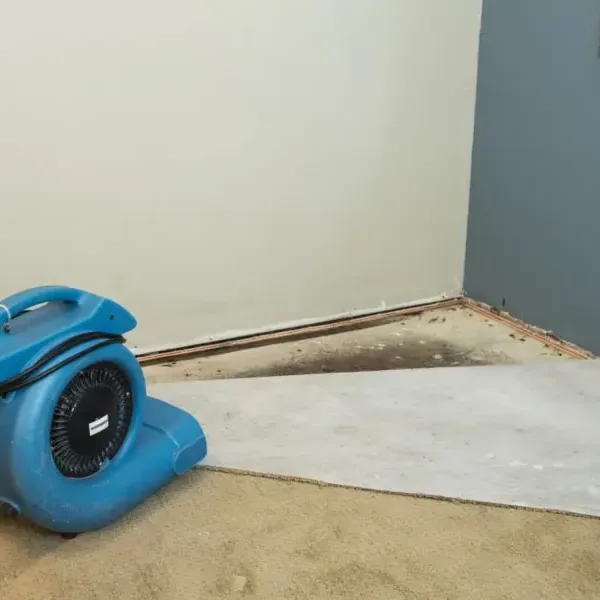
Help for the water damage present
The source and affected materials determine the work. Select the condition that matches the property for cleanup details, drying considerations, and repair boundaries.
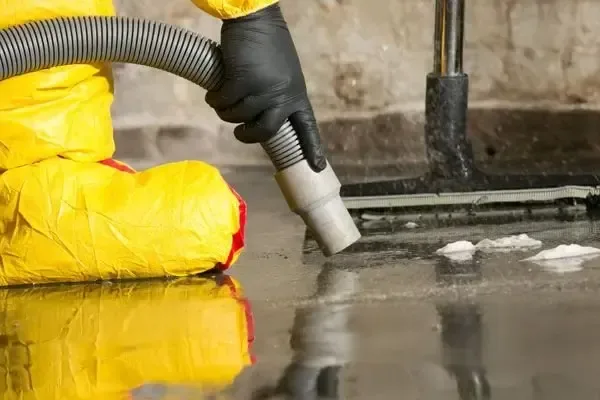
Water Extraction and Removal
Standing water calls for accessible collection points, protected walking routes, and checks beneath finishes after the visible pool is removed.
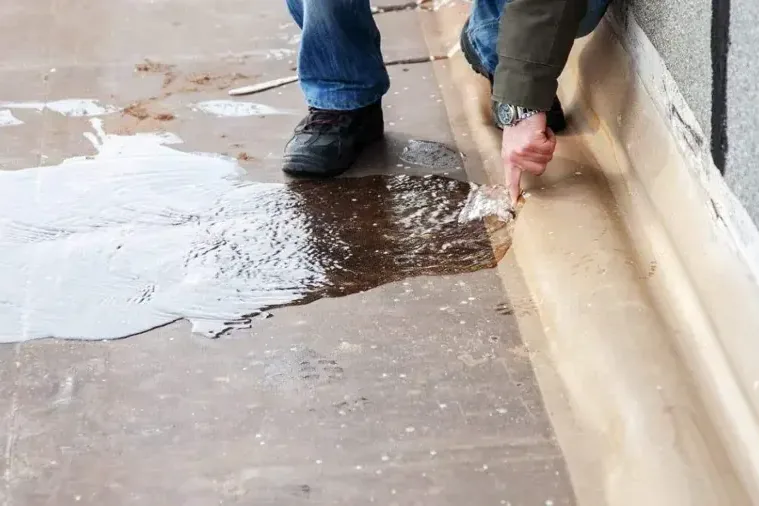
Slab Leak Water Damage
Damp flooring over concrete needs a source assessment and moisture mapping before decisions about floor access or replacement.
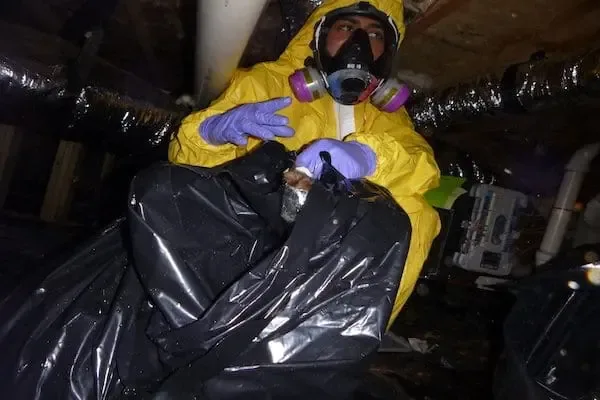
Sewage Backup Cleanup
Wastewater indoors requires restricted access, controlled removal, and separate decisions for washable surfaces and absorbent materials touched by the backup.
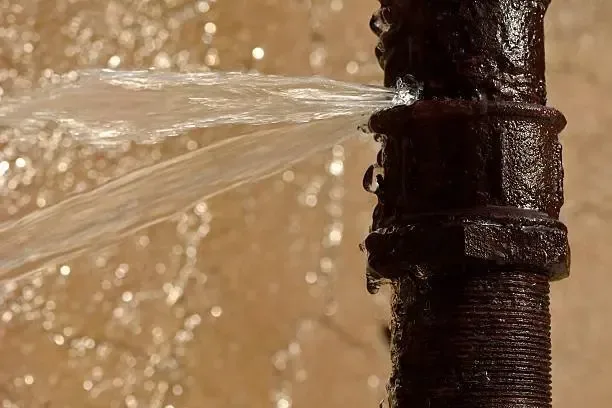
Burst Pipe Water Damage
A split supply pipe can wet several connected rooms. Source isolation and a room inventory organize the cleanup.

Storm Flood Cleanup
Outdoor water brings soil and debris through openings. Cleanup follows safe reentry and assessment of the water's contact path.
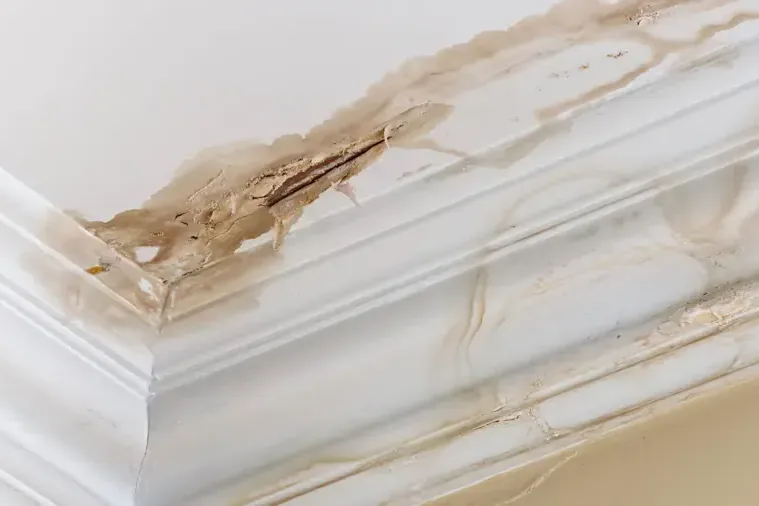
Roof Leak Water Damage
Rain beneath roofing can reach insulation and ceiling edges. Interior drying must account for hidden wetting above the room.
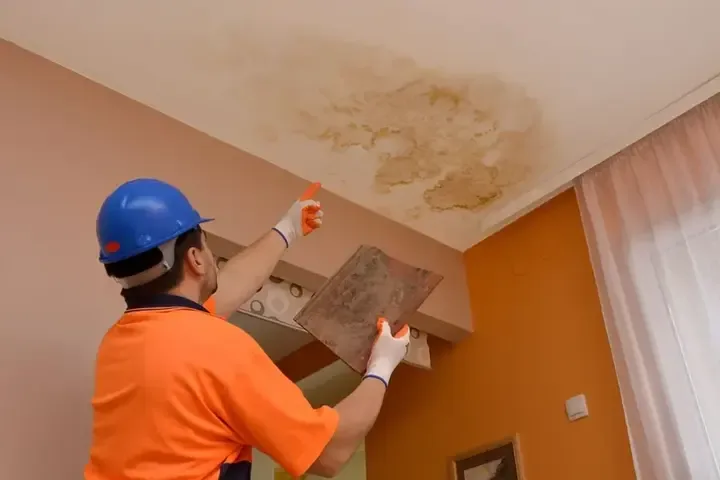
Ceiling Leak Water Damage
An overhead stain needs inspection of the assembly above it before cosmetic repairs conceal trapped moisture or damaged materials.
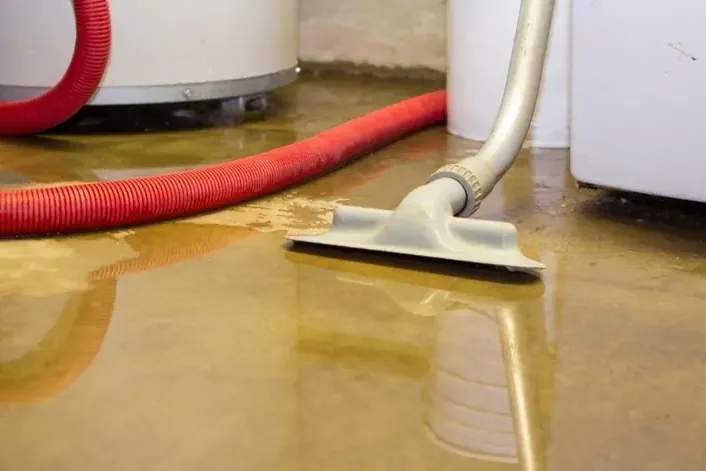
Water Heater Leak Cleanup
A leaking tank can wet enclosure edges and adjoining flooring. Cleanup reaches beyond the puddle around the heater.
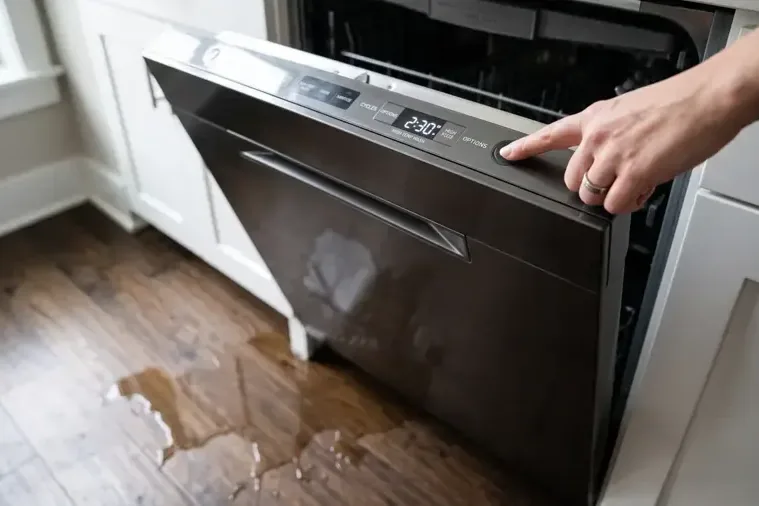
Appliance Leak Water Damage
Hoses, connections, and appliance drains can release water behind cabinets. Floor seams and concealed cabinet bases need attention.
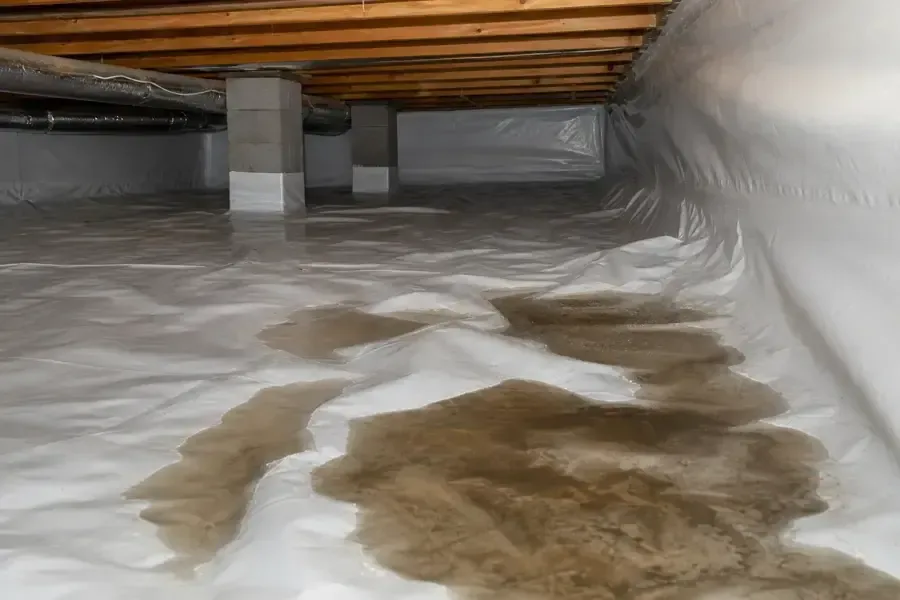
Crawl Space Water Removal
Pooled underfloor water needs a safe access plan, suitable collection equipment, and inspection of exposed wood and insulation.
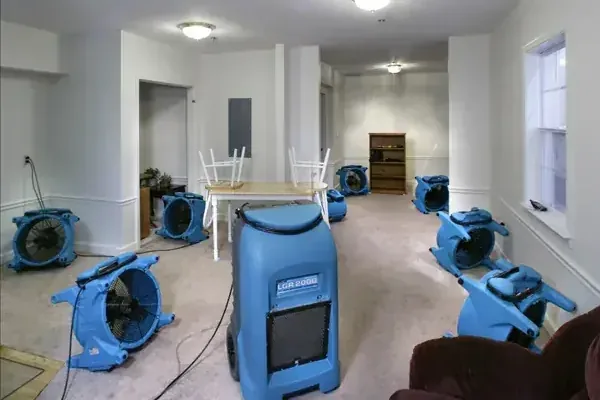
Structural Drying and Dehumidification
After extraction, measured drying addresses water held in building materials and documents progress before finishes cover those materials again.
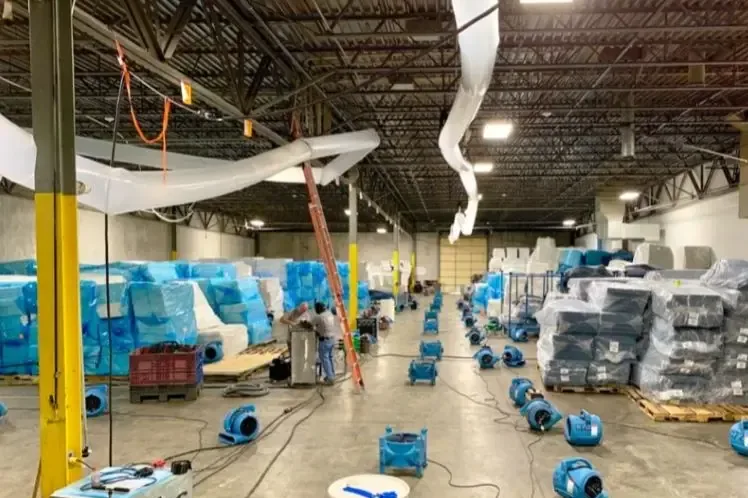
Commercial Water Damage
Business cleanup organizes affected rooms around access, contents, and operational needs while maintaining separation from occupied dry spaces.
Keep the repair sequence clear
An organized restoration scope explains the difference between stopping the leak, cleaning the affected area, drying retained materials, and rebuilding the damaged finishes.
Room by room records
Photographs and moisture observations connect the proposed work with the actual spaces affected, making changes easier to explain to the property owner.
Separate source repairs
A repaired pipe or roof stops further entry, while the mitigation plan addresses the water already held inside floors, walls, and ceilings.
Practical access planning
Equipment hoses, removed contents, and work areas should leave a clear route through safe portions of the property throughout the cleanup period.
Material specific decisions
A washable surface and saturated insulation need different treatment. Removal choices should reflect condition, contamination, and whether the assembly can be dried effectively.
How the dry-out progresses
Survey the rooms
The initial inspection connects visible staining with floor edges, wall cavities, and adjacent rooms that may have received hidden water.
Remove accessible water
Extraction equipment collects pooled water while the crew identifies finishes or contents that obstruct access to damp structural surfaces.
Adjust the drying setup
Equipment placement changes with moisture readings, room conditions, and safe access needs rather than remaining fixed after the first visit.
Record the endpoint
Final notes identify the materials checked, remaining repair needs, and the conditions supporting removal of drying equipment from the property.
What affects restoration cost in Azusa?
A restoration estimate depends on water depth, material layers, contamination, and the access needed to reach wet cavities. A contained spill differs from water passing through several levels. The assessment should identify each affected assembly before equipment and removal costs are approved.
Accessible extraction
- Pooled water collection
- Open floor access
- Initial material observations
Retained material drying
- Focused equipment placement
- Exposed surface checks
- Drying progress record
Contained sewage cleanup
- Controlled water handling
- Hard surface cleaning
- Affected room protection
For directly paid repairs
A homeowner paying directly can request a written scope that distinguishes urgent water removal from later finish work. This makes equipment charges and optional replacement decisions easier to compare.
Any change in the wet area should be recorded before expanding the work. The owner can then understand why additional access, cleaning, or drying is needed.
Service pages show planning ranges for their specific damage type. Written estimates should separate cleanup, drying, source repairs, and finish replacement so each charge has a clear purpose.
Examples of extraction and material access
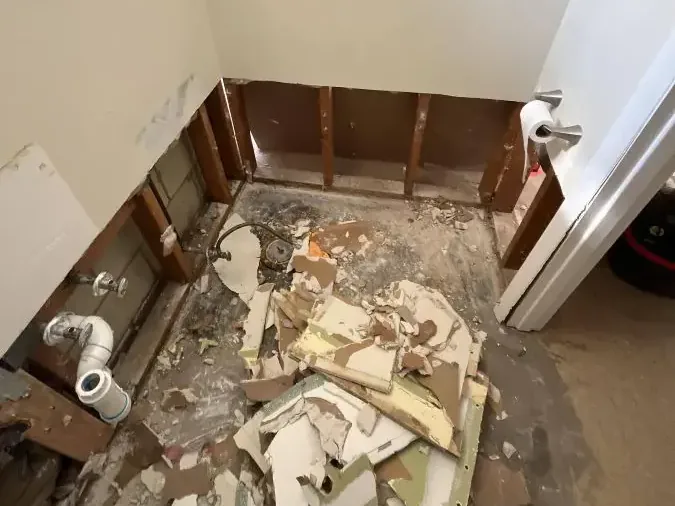
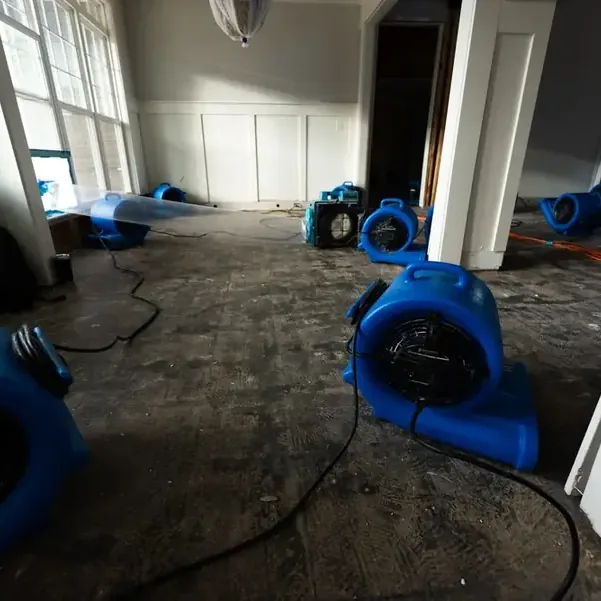
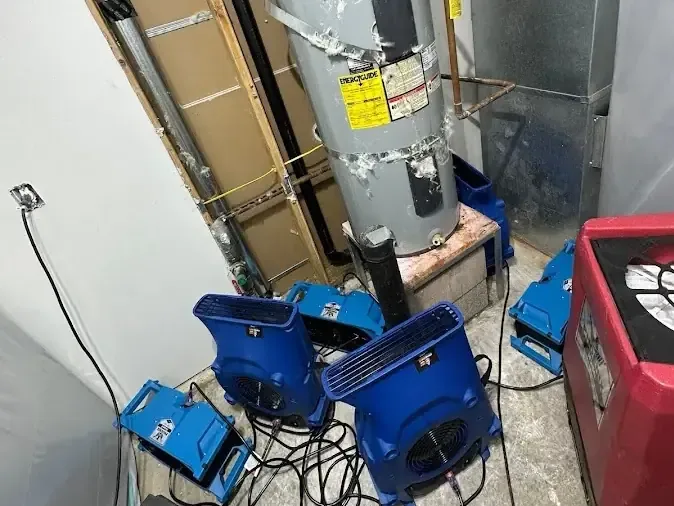
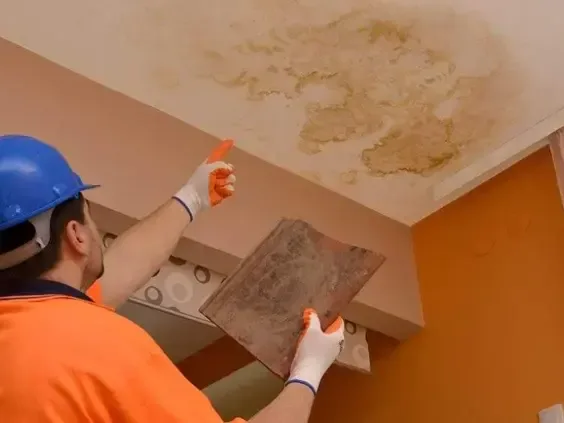
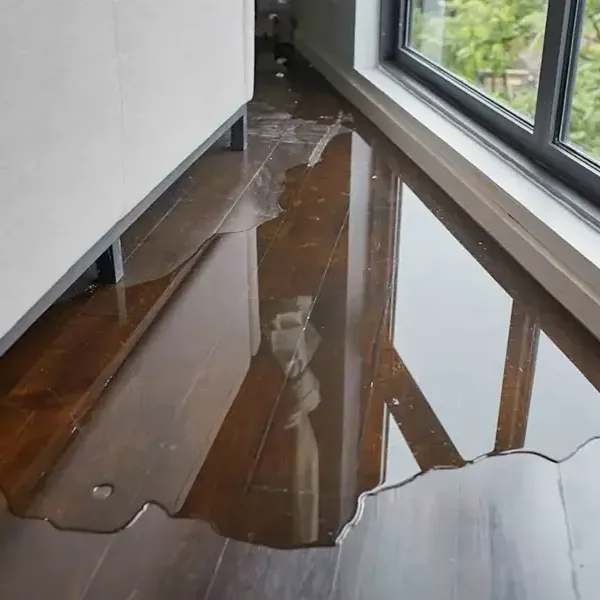
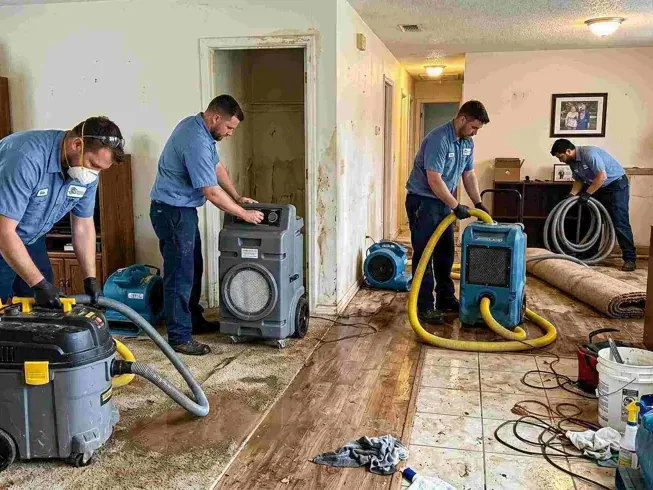
Decisions follow the wet materials
The drying team records where water traveled, which assemblies retained moisture, and what changes during equipment operation. Completion depends on material readings and the condition of retained components.
Document the spread
Reach trapped moisture
Verify the finish
The contact path changes cleanup
Supply release
Supply water needs removal and inspection of the surfaces it reached. Floor seams and wall edges can retain moisture after the visible pool disappears.
Trace escaped waterUsed household water
Appliance discharge requires assessment of its contents and contact path before cleanup methods are selected for the affected room.
Inspect machine spillsSewage or outdoor entry
Contaminated water needs controlled handling and cleaning before drying equipment addresses moisture remaining inside the retained building materials.
Contain the backupMake the wet area safer to assess
- Keep clear of hazards. Occupants should avoid wet electrical equipment and any ceiling that bulges, drops debris, or changes shape after a leak.
- Identify the active source. A reachable shutoff may stop a supply release, provided it can be operated from a dry and safe position.
- Preserve a visible record. Photographs of room entrances, damaged belongings, and water marks help explain the original condition before contents move or materials change.
- Contact the responsible person. Tenants should alert the owner or property manager so access, source repair, and any shared building areas can be coordinated.
- Leave contaminated water contained. Keep pets and occupants outside wastewater affected rooms. Household fans can spread contamination and should remain outside the cleanup area.
Keep the claim record organized
Photographs, item lists, and dated work notes help explain the loss. Coverage decisions belong to the insurer and depend on the policy and reported circumstances.
- Photograph the initial water contact areas
- Save receipts for necessary temporary measures
- List affected contents by their room
- Record when the source was stopped
- Retain drying records and repair estimates
Plan before you call
Nearby service areas
Water damage questions in detail
Sierra Madre Sewage Backups and Private Laterals
Sierra Madre sewage backups involve private laterals, public mains and contaminated rooms. See reporting, access control, plumbing findings and cleanup.
Monrovia Rental Pipe Leaks and Repair Access
Monrovia rental pipe leaks need clear occupant reports, authorized repair access and room records. Follow the handoff from source control to measured drying.
Monrovia Business Water Losses and Drying Zones
Monrovia business water losses need protected stock, clear work boundaries and documented room releases. See access planning, equipment routes and drying.
From canyon approaches to established corridors
Describe the building and entry conditions
Azusa lies at the entrance to San Gabriel Canyon. Property access details help organize equipment delivery and assessment when weather or a damaged room limits entry.
The local extraction service addresses pooled water, while structural drying follows moisture inside retained materials.
(888) 578-6508Explain the access and water damageAzusa, CA · [email protected]
Local corridors
ZIP coverage
Nearby service areas
Water can cross rooms and levels
Azusa sits at the foot of the San Gabriel Mountains. The town's mix of corridors and multi-story housing makes the path through an individual building central to a useful damage assessment.
February 27, 2014: Mandatory evacuation orders applied to Ridge View Drive residents ahead of a storm because possible mudslides threatened the area.
Sage Court
Existing three-story townhomes beside the Great Park project site offer a useful reminder to inspect rooms below an upper floor release.
Parsons Place
Another documented three-story townhome setting makes ceiling junctions and shared access important discussion points when water travels away from its source.
Arborview/Tamarind Lane
Two-story townhomes west of the Great Park project site highlight the need to compare moisture observations across affected levels before finish repairs.
Street drainage
Azusa Public Works lists storm drain maintenance under the Streets Division. Reports about outdoor drainage remain separate from cleanup of water already inside a building.
Warm summers
Warm, dry summers can make exposed surfaces appear ready sooner than concealed layers. Material measurements help determine whether closed cavities still need drying.
Restoration questions
Water moving through the building?
Describe the source, affected levels, and any access hazards so the assessment starts with the areas that need immediate attention.
(888) 578-6508Discuss the building's wet areasWhat needs attention before water removal?
Safety and source control come first. Occupants should avoid wet electrical components, unstable ceilings, and wastewater contact. Once access is safe, the assessment can establish how much water remains, what it touched, and whether any rooms require separation before equipment enters the building.
Does a dry looking floor mean cleanup is complete?
Floor coverings can look normal while their backing, underlayment, or adjoining wall edges remain damp. Moisture checks help identify those hidden areas. Completion should reflect the affected material layers and the recorded drying progress, rather than the appearance of the walking surface alone.
How should tenants handle an indoor leak?
The tenant should notify the owner or property manager and preserve photographs of the affected rooms. Access permission, appliance or pipe repair, and any openings in building finishes need coordination. Damaged belongings should be documented separately from the building materials so responsibilities remain clear.
Can a leak affect the room below it?
Water can travel through penetrations and assembly junctions before appearing downstairs. An upper room inspection should therefore include the ceiling beneath and nearby wall edges. A visible stain may mark the exit point while the retained moisture extends beyond that small area of paint.
What happens after a sewage backup?
The contaminated area needs restricted access and a source assessment before cleaning begins. The crew evaluates absorbent finishes for removal and washable surfaces for controlled cleaning. Moisture measurement follows that work so equipment addresses remaining water without circulating contamination into unaffected rooms or belongings.
Is source repair part of drying?
Source repair and drying are distinct tasks that need a coordinated sequence. A plumber or roofing contractor may stop the release, while restoration addresses wet building materials. The written scope should explain who handles each task and what must happen before the damaged finishes close.
What information helps with an estimate?
Useful details include the suspected source, rooms affected, visible depth, and any water on another level. Photographs can help describe the condition, but concealed moisture still requires inspection. An estimate should identify materials, equipment, removal work, and the repair items priced outside the cleanup scope.
Should belongings stay in a wet room?
Movable items may need relocation when a dry and safe route exists. Heavy furnishings, electrical devices, and contaminated contents require more careful handling. Recording their condition before movement helps preserve the damage record and keeps the crew aware of surfaces hidden beneath stored items.
How does the drying team decide when to finish?
Repeated readings at identified material locations show whether the affected assembly is progressing. The team compares those results with suitable dry references and checks for continuing water entry. Equipment removal follows those findings, with remaining replacement or finish repair needs listed for the next stage.
Give each affected room a clear next step
An assessment connects the visible damage with extraction, safe material access, and a measured plan for drying.
(888) 578-6508Begin a room by room assessment