Water Damage Restoration Monrovia, CA
A wet doorway can connect several damaged rooms. Monrovia water damage restoration starts by locating the source, separating unsafe spaces and measuring how far moisture has traveled beneath the visible surface.
(888) 578-6508Discuss the rooms affected todayRoom access, water condition and concealed layers shape the cleanup plan before equipment reaches the floor.
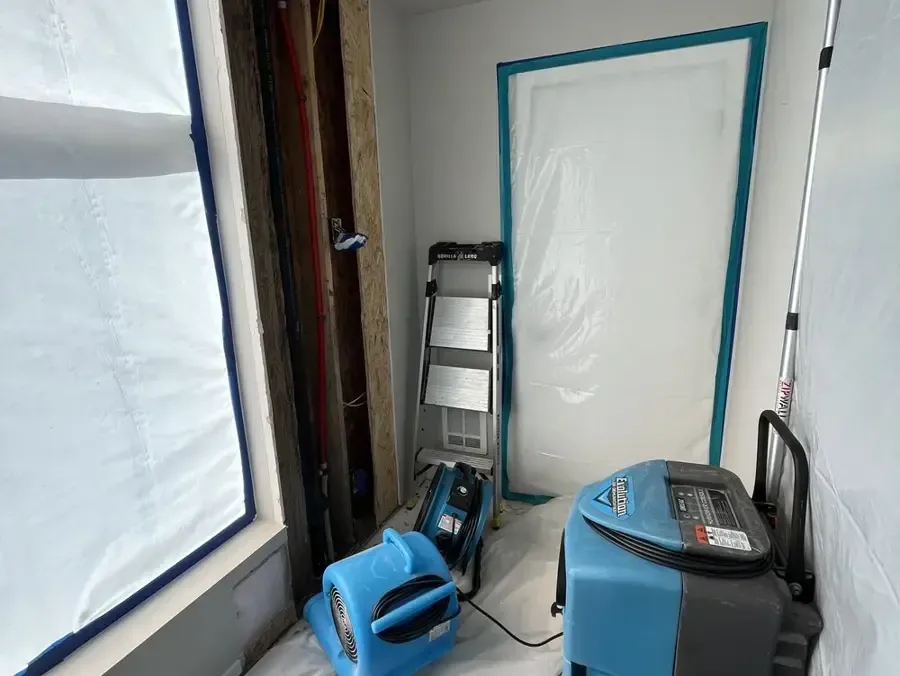
Different leaks need different access
The source determines the first repair conversation; the materials contacted determine the cleanup. Select the problem that best matches the visible damage indoors.
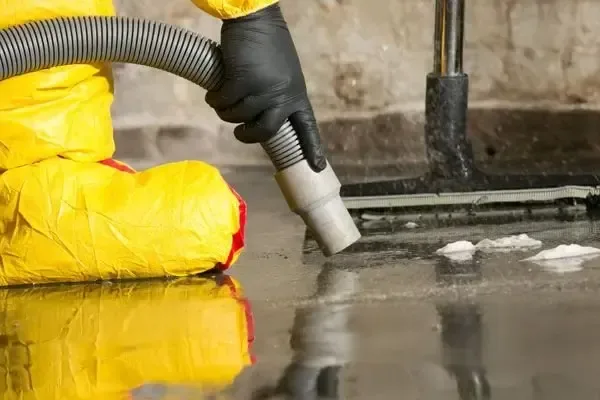
Water Extraction and Removal
Standing water limits access and keeps soaking edges. Extraction clears the pool so the underlying materials can be evaluated.
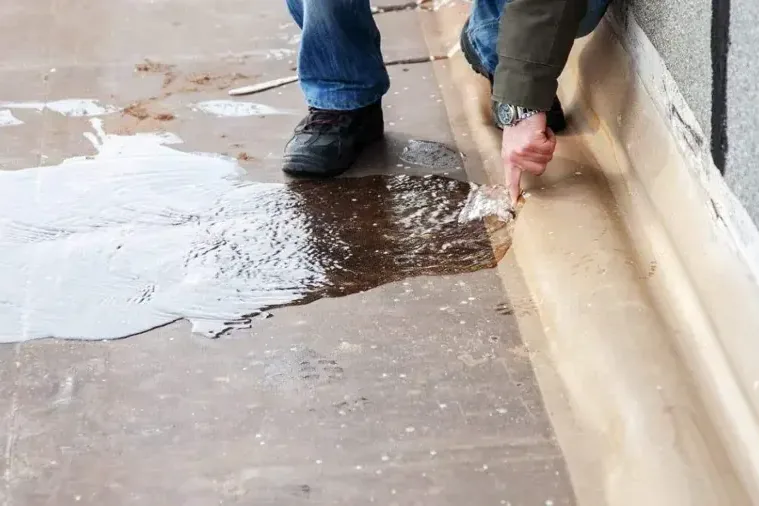
Slab Leak Water Damage
Moisture emerging through flooring needs a source investigation and a concrete drying plan. Finish replacement follows measured progress below.
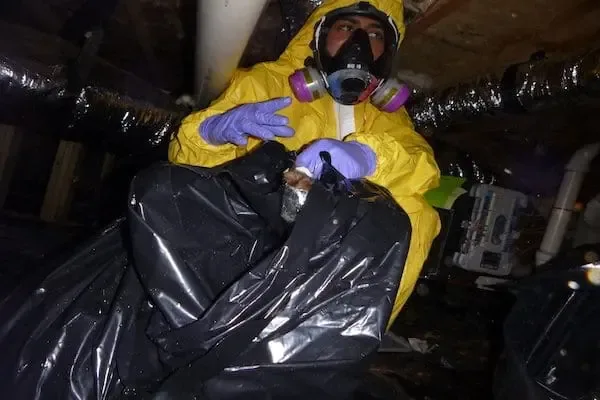
Sewage Backup Cleanup
Wastewater requires a separated work area and controlled removal. Affected belongings and porous finishes need individual disposal decisions.
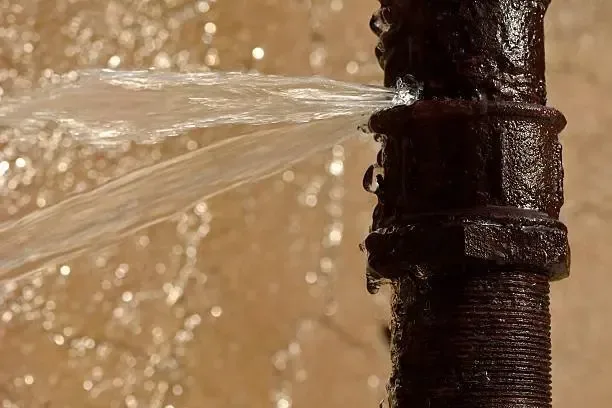
Burst Pipe Water Damage
A split supply pipe can wet several cavities. Repair coordination and a room map keep hidden branches of damage visible.

Storm Flood Cleanup
Outdoor water carries dirt through openings. Cleanup considers the entry route, deposited sediment and the condition of contacted finishes.
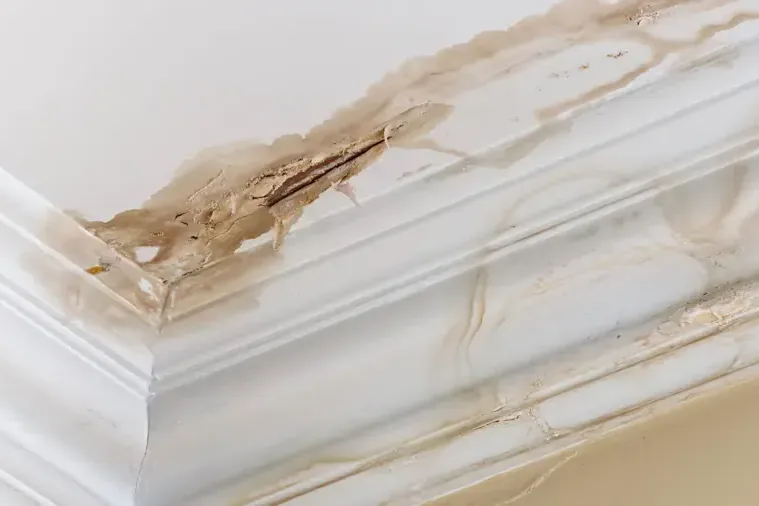
Roof Leak Water Damage
Rainwater may travel along roof framing before dripping. Attic inspection connects the overhead entry with insulation and ceiling damage.
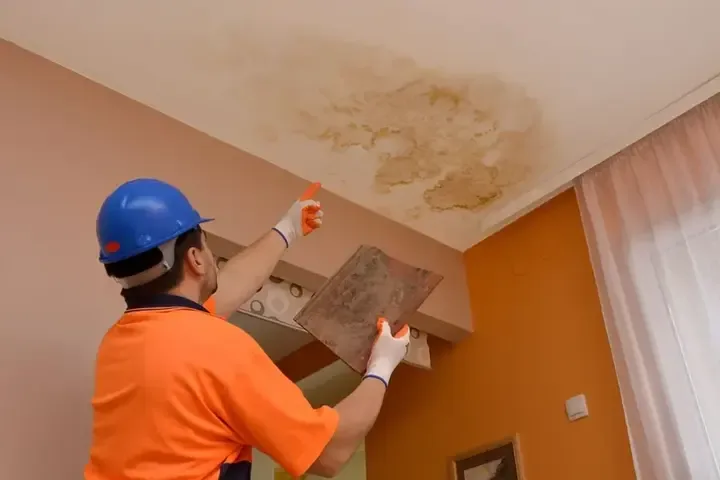
Ceiling Leak Water Damage
A spreading ceiling stain needs a safe assessment above and below. Unsupported finishes stay isolated while the source is traced.
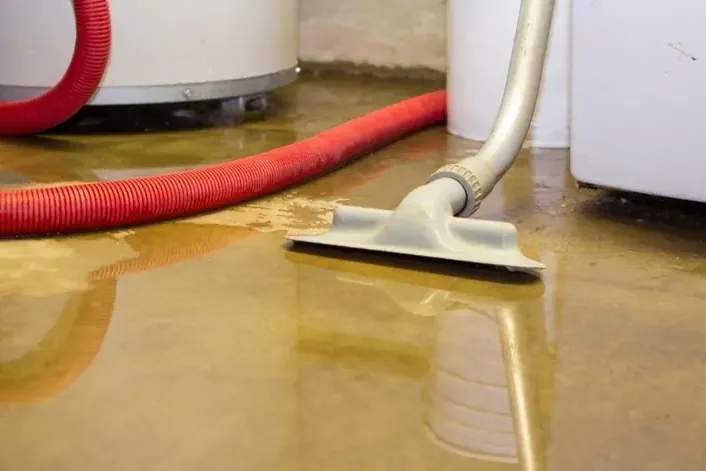
Water Heater Leak Cleanup
Water around a tank can escape beneath the enclosure. Drying follows the spill into adjoining walls and floor transitions.
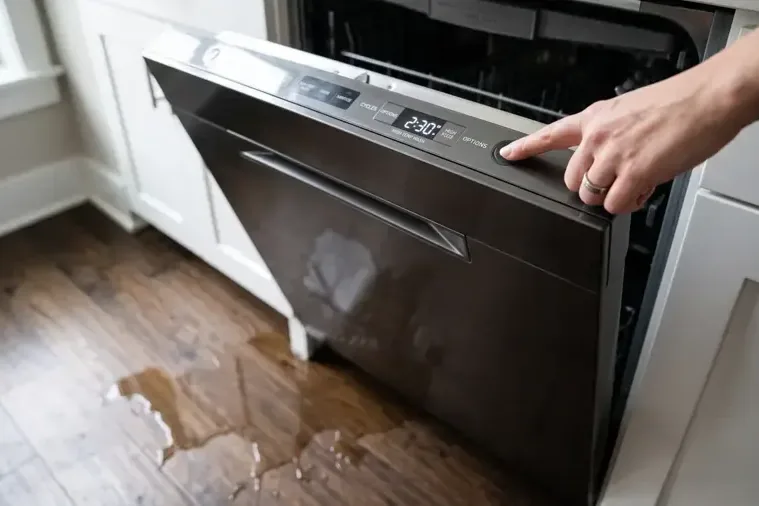
Appliance Leak Water Damage
A small hose failure can soak a cabinet underside. Access behind the appliance helps reveal moisture beyond the kitchen puddle.
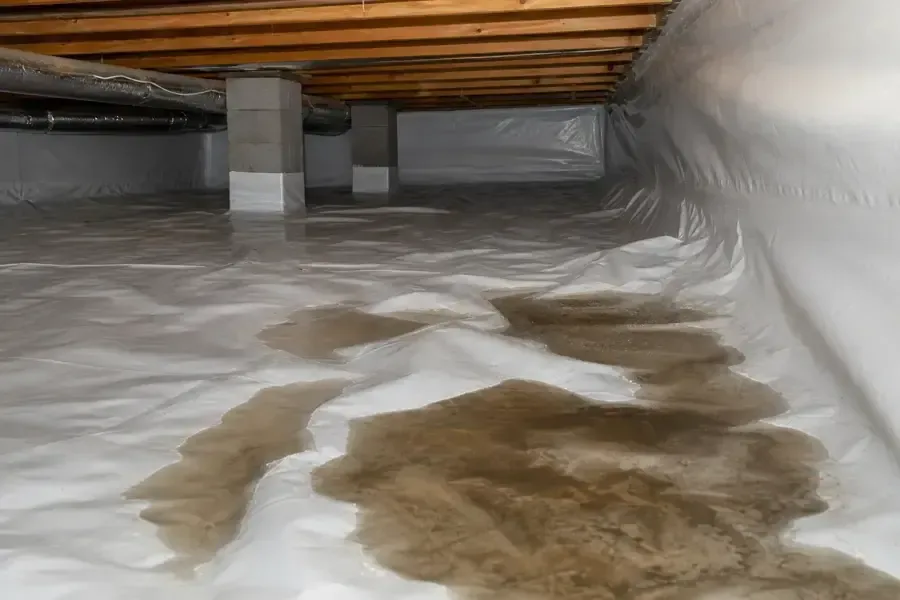
Crawl Space Water Removal
Homes with accessible underfloor spaces need separate checks below. Pooled water, wet insulation and exposed wood require different handling.
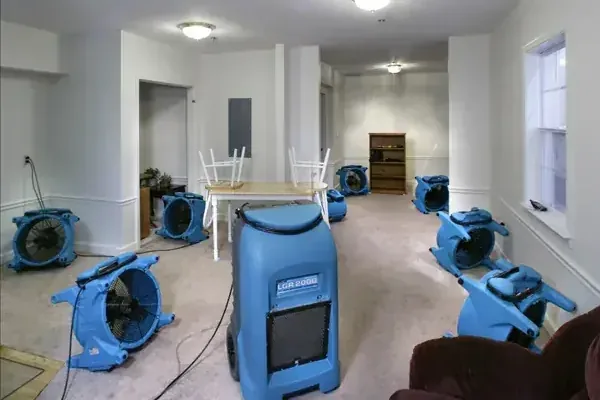
Structural Drying and Dehumidification
Extraction leaves moisture inside materials. Airflow, humidity control and repeated readings work together to prepare the building for repairs.
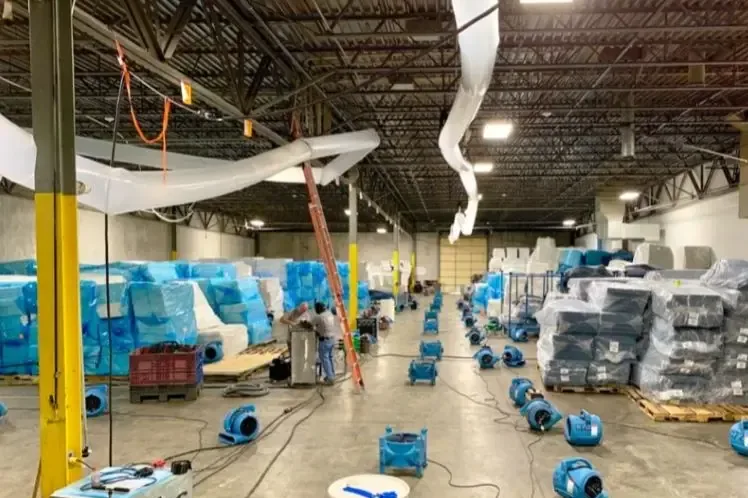
Commercial Water Damage
An occupied business needs protected paths around the work. Cleanup planning balances wet materials, equipment placement and access for staff.
Follow moisture through the building
A restoration plan should explain what is wet, which materials remain serviceable and how progress will be checked before a room returns to normal use.
Trace connected spaces
A hallway may carry water past the first stained room. Inspection follows thresholds, shared walls and changes in floor covering.
Separate repair responsibilities
A plumber, appliance specialist or roofer may stop the leak. The drying team addresses the building materials that absorbed it.
Measure comparable locations
Repeated readings at identified points show whether the affected assembly is changing. Equipment placement can then respond to actual conditions.
Document the handoff
The owner receives an explanation of remaining repairs, removed materials and the condition observed when the drying work is finished.
How the dry-out progresses
Establish the boundary
The initial walkthrough follows visible water and tests adjoining finishes. The resulting map identifies both the affected rooms and the spaces that can remain accessible.
Remove what blocks recovery
Pooled water is extracted first. Damaged absorbent layers may require removal so retained framing or flooring can receive effective cleaning and directed airflow.
Track the remaining moisture
Dehumidification and air movement address water held in the structure. Follow-up measurements show which materials need more exposure or a revised equipment arrangement.
Prepare the next trade
Before finishes cover the area, the drying record and remaining repair needs are assessed. Replacement work can then address the opened assembly in order.
What changes restoration cost in Monrovia?
Access, water condition and the number of wet material layers matter more than the size of the visible puddle. An assessment separates extraction, opening work, drying and reconstruction so the owner can compare the actual work proposed for the property.
Limited clean-water area
- Reachable wet surfaces
- Focused drying area
- Initial material readings
Connected wet spaces
- Adjoining room assessment
- Opened finish edges
- Expanded drying arrangement
Cleanup with contamination
- Separated cleanup space
- Absorbent material removal
- Surface cleaning records
When paying directly
An owner funding the work directly can request separate amounts for removal, drying and reconstruction. That separation makes changes easier to understand if opening a wall reveals additional wet material.
A smaller visible stain still deserves moisture assessment before cosmetic repair. Comparing the retained layers, equipment needs and access work provides a more useful basis for decisions than comparing room names alone.
These planning ranges describe different cleanup scopes. Pipe repairs, finish replacement and unusual access conditions should appear separately when the property receives its written estimate.
Examples of access, extraction and drying
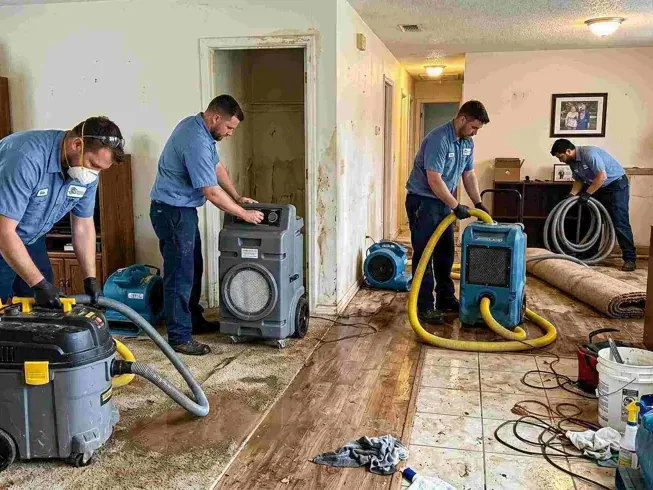
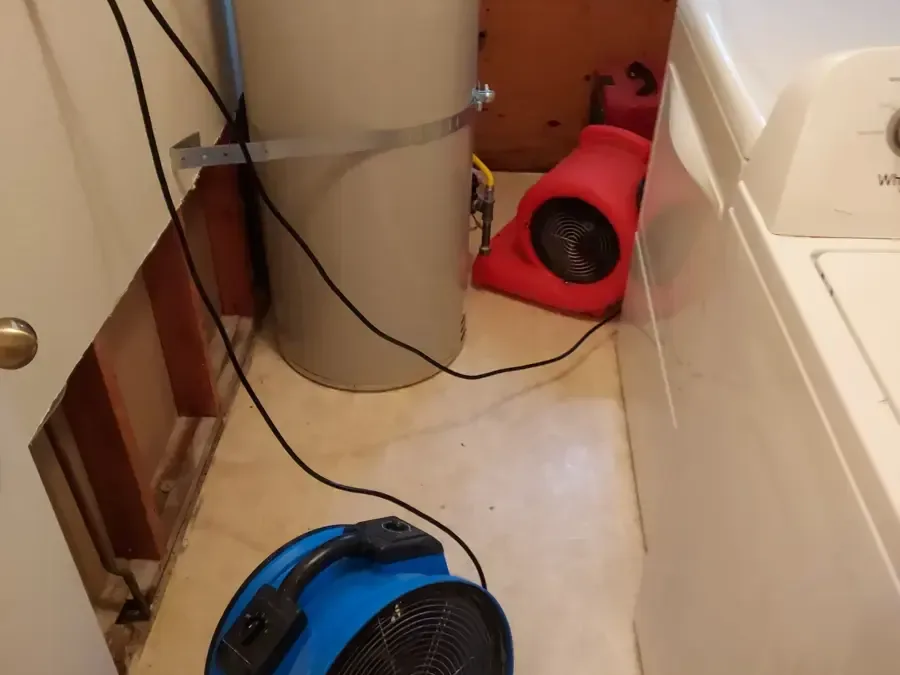
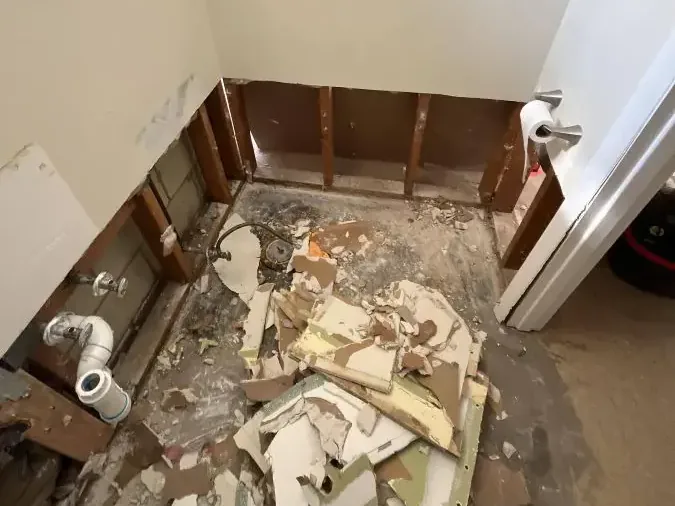
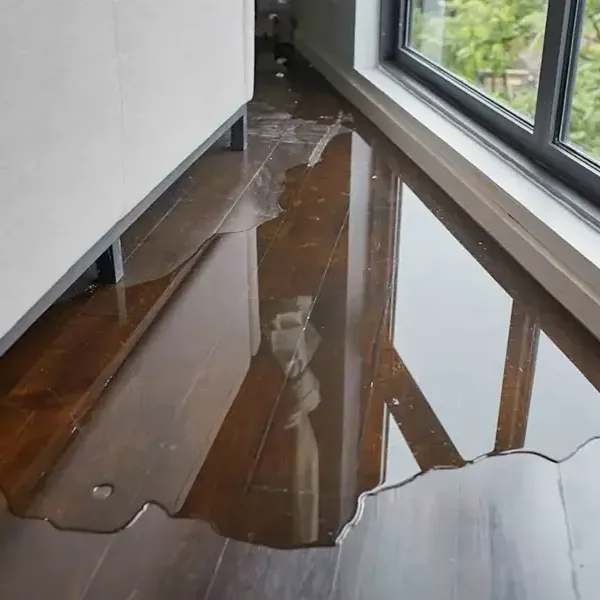
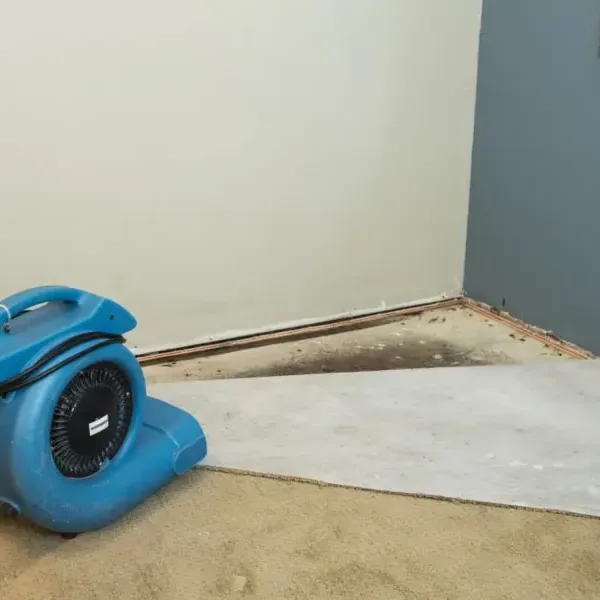
A sequence built around the wet materials
The restoration team adjusts the work as hidden areas become accessible. A useful scope connects each opening, removal and equipment choice to a specific condition in the building.
Source assessment
Material readings
Repair handoff
Contact history changes the work
Supply water indoors
A plumbing release begins with source isolation. Its path, duration and contact with household materials then shape extraction and the decision to retain finishes.
Trace a split supply pipeWater from outdoors
Runoff can leave sediment in flooring seams and low cabinets. A cleanup assessment separates deposited dirt from moisture held inside the building assembly.
Understand runoff entry indoorsWastewater exposure
A drain backup needs restricted access and careful removal of contacted materials. Cleaning decisions account for absorbent finishes as well as the visible liquid.
Understand contaminated room cleanupProtect access and preserve the damage record
- Keep people clear. Children, pets and visitors should stay away from pooled water, sagging ceilings and rooms with uncertain electrical conditions.
- Control an accessible source. A reachable supply shutoff may stop incoming water. Nobody should cross a wet electrical area to reach a valve.
- Notify the right parties. A tenant should tell the property manager which fixtures and rooms are affected, including any damage beneath adjoining spaces.
- Record from safe ground. Photographs of the source, room edges and damaged contents help preserve the initial condition before cleanup changes the scene.
- Describe the interior route. Access details, stairs and blocked doorways help the response team prepare for removal and equipment placement inside the property.
Explain the loss clearly
A claim conversation is easier when the discovery, source repair and cleanup are documented separately. The insurer evaluates the policy and makes its own coverage decision.
- Record when the water was first noticed
- Photograph affected rooms before moving safe contents
- Keep the source repair invoice with photographs
- Request an itemized description of cleanup work
- Save drying readings alongside the final repair scope
Plan before you call
Nearby service areas
Water damage questions in detail
Sierra Madre Sewage Backups and Private Laterals
Sierra Madre sewage backups involve private laterals, public mains and contaminated rooms. See reporting, access control, plumbing findings and cleanup.
Monrovia Rental Pipe Leaks and Repair Access
Monrovia rental pipe leaks need clear occupant reports, authorized repair access and room records. Follow the handoff from source control to measured drying.
Monrovia Business Water Losses and Drying Zones
Monrovia business water losses need protected stock, clear work boundaries and documented room releases. See access planning, equipment routes and drying.
Homes and businesses across the city
Describe the property entrance
A caller can identify the nearby corridor, the affected floor and the safest available entrance. Gate restrictions and interior stairs are useful details.
For a property near Monrovia station, an exact entrance description helps distinguish the work location from nearby transport activity.
(888) 578-6508Talk through entry and room accessMonrovia, CA · [email protected]
Location details that help
City ZIP codes
Additional service areas
Foothill weather and occupied buildings
Monrovia sits in the San Gabriel Mountains foothills. Outdoor rain entry and indoor plumbing releases need different investigations, with the moisture path through the property setting the cleanup priorities.
September 10, 2022: Foothill residents prepared for possible downpours and flash flooding associated with Tropical Storm Kay, bringing attention to rain readiness.
Foothill rainfall preparation
Exterior drainage observations can help explain how outdoor water approached an opening. Interior cleanup still needs a room by room assessment of contacted materials.
Development across different periods
The city recorded strong building activity in 1923. The restoration team checks the actual wall and floor layers rather than presuming one construction method.
Rental notification
Renters occupied 53.6% of occupied homes in the 2020 census. Early owner notification helps coordinate source repair, access permissions and decisions about building finishes.
Connected living areas
The inspection follows water through doorways and shared assemblies. Furniture placement can conceal a damp edge even after the open floor looks clear.
Business access
The Technology Corridor adds a commercial setting to the service area. Occupied premises need a plan for delivery routes, staff movement and protected work boundaries.
Restoration questions before the visit
A clear description starts the assessment
The visible source, affected surfaces and available entry help the response team understand the property before planning the first inspection.
(888) 578-6508Describe the loss and access needsWhat belongs in the first damage report?
A useful report identifies where water appeared, whether it is still entering and which spaces are unsafe. Photos can show the source area and adjoining doorways from dry ground. A renter should include the property manager in that initial notification so access and repair decisions have an identified contact.
Does every wet floor need replacement?
Material condition determines that decision. A removable surface may conceal wet adhesive or a damp substrate even when its top has dried. The inspection considers water contact, swelling, separations and the ability to expose retained layers. Replacement and drying should be explained as separate parts of the scope.
Can furniture stay in the affected room?
Some contents can remain protected within a dry portion of the space, while other items obstruct extraction or airflow. Heavy furniture should not be dragged through standing water. The cleanup plan should identify a clean holding area and document damaged items before moving them when safe access permits.
Who stops a plumbing leak?
A plumbing professional handles the leaking supply or drain and the repair needed to stop it. The mitigation team removes released water and addresses wet building materials. Coordinating these tasks avoids drying an assembly while a source remains active, and keeps the repair invoice distinct from the restoration record.
Why can a ceiling stain change after rain?
Moisture can travel along framing and collect above the visible spot. A darker stain or new drip calls for renewed assessment of the roof, attic or upper room source. The area beneath a bulge should remain clear because wet finishes may lose support before the entire path is visible.
How does restoration work in a rented home?
The tenant can record discovery details and notify the owner or manager promptly. The owner coordinates permissions involving walls, floors and installed fixtures. Occupants should receive a clear explanation of room restrictions, equipment placement and any temporary access changes so the work area stays separated from daily household activity.
When does drying equipment come out?
Equipment removal follows the condition of the retained materials. Surface appearance alone cannot show moisture inside a dense floor or enclosed wall. Repeated readings and the room conditions help establish progress, and the drying team explains remaining work before a contractor covers previously wet areas with new finishes.
Are these services available near Huntington Drive?
Huntington Drive is among the city corridors used to describe a property location. The assessment still needs the actual entrance, occupied floor and affected rooms. Details such as a locked gate or shared hallway help the team plan access without relying on a nearby road name alone.
What should an estimate separate?
A clear estimate distinguishes extraction, removal of damaged layers, cleaning, equipment and reconstruction. The owner can then see which work addresses current moisture and which work restores appearance. If concealed damage changes the scope, photographs and measurements should explain that change before additional finish repair is planned.
Make the next step specific
Describe the water source and affected rooms so the assessment can focus on safe access and the remaining moisture.
(888) 578-6508Discuss a property cleanup assessment