Structural Drying and Dehumidification in Duarte, CA
The drying team measures affected building materials and adjusts airflow and dehumidification as conditions change. Duarte structures need documented drying goals that address retained moisture after visible water has been removed.
(888) 578-6508Set measurable goals for the wet materials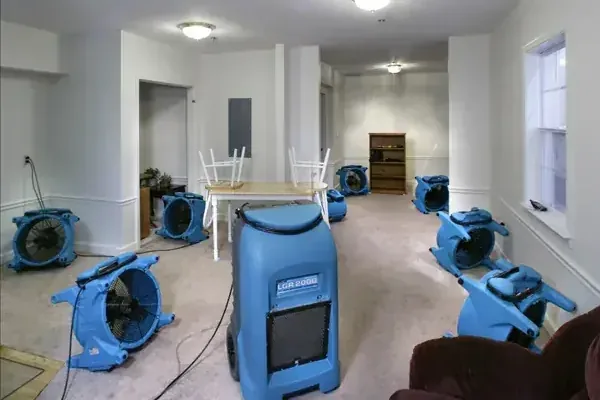
How the structural drying and dehumidification team works
Rapid local response
The response team handles urgent water losses through 24/7 dispatch. The initial discussion identifies active water, unsafe rooms, affected materials and access so the assessment begins with the right priorities.
IICRC S500 drying standard
The drying crew sets material-specific goals using the IICRC S500 standard. Extraction, humidity control and repeated meter readings work together to address moisture beyond a floor that merely looks dry.
Claim-ready documentation
The mitigation team records the source description, room measurements and visible damage before removal. Dated photographs and daily moisture records keep the drying work understandable for the owner and the adjuster.
Local water experts
The restoration assessment distinguishes indoor supply failures from rainwater entry. Technicians inspect the actual wall and floor assembly, explain access needs and keep occupied areas separate from equipment and wet materials.
First steps for structural drying and dehumidification in Duarte
- Confirm the source has stopped. The owner shares plumbing or roof findings so the drying team can distinguish retained moisture from new water entering the affected assembly.
- Leave equipment settings to the crew. Occupants avoid unplugging or redirecting drying equipment without discussing the change, since airflow and dehumidification operate as a coordinated setup.
- Maintain agreed room access. Doors, contents and walking routes follow the drying plan; blocked equipment or newly closed spaces can change the moisture conditions being monitored.
- Report fresh changes promptly. New drips, a spreading stain or an equipment problem belongs in the next discussion, allowing technicians to check the source and adjust the setup.
What does structural drying and dehumidification cost in Duarte, CA?
Structural drying in Duarte commonly ranges from $1,000 to $4,500 for a contained affected area, with dense assemblies and several rooms costing more. Equipment quantity, access, material class and the measured drying duration determine the scope after extraction and source control.
Limited exposed materials
- Defined drying area
- Airflow and dehumidification
- Repeat material readings
Several wet assemblies
- Multiple equipment positions
- Cavity or floor access
- Daily setup adjustments
Dense or extensive moisture
- Broader monitored footprint
- Longer equipment operation
- Material-specific verification
Documentation for your insurance claim
The restoration team records a moisture map, daily psychrometric logs, timestamped pre-demolition photos, water category and material class. A line-item scope explains the equipment and removal work. Sudden accidental leaks, long-running damage, sewer backups and outdoor floods have different policy terms. The homeowner checks coverage with the insurer. The Duarte water damage cost calculator offers a planning range; category, square footage, material class and drying delay shape the actual scope.
The structural drying and dehumidification process
Establish the material baseline
The technician maps the wet assembly, records room conditions and selects suitable dry references, making the drying goal understandable before equipment operates.
Match equipment to the moisture load
Air movers and dehumidifiers are positioned around the exposed wet materials and safe access routes, with the setup accounting for cavity and floor restrictions.
Measure and adjust the response
Repeated material and air readings show progress, prompting changes to airflow, humidity control or access when a particular layer does not respond as expected.
Verify and explain remaining repairs
The final assessment checks the affected assemblies and records their condition, separating successful moisture removal from damaged finishes that still require replacement or reconstruction.
A room can feel dry while framing or subfloor layers still hold water. Structural drying addresses that retained moisture after the source is controlled and recoverable liquid has been extracted. The technician identifies the materials, establishes suitable reference readings and records the affected footprint before deciding where equipment should operate.
Material-specific drying in Duarte
Huntington Drive includes varied occupied properties, so the drying crew inspects the actual wall and floor assembly instead of assigning one setup to a street. A property along Duarte Road may need controlled access around contents or active rooms. The equipment plan identifies those constraints alongside the moisture map.
The San Gabriel River is part of the city’s surrounding setting, but the source of an individual loss still matters. Contaminated runoff requires removal and cleaning before the remaining structure enters drying. Fresh supply water may allow more materials to remain when their condition and access support effective drying.
Balancing evaporation and moisture removal
Air movers encourage evaporation from wet surfaces. Dehumidifiers collect moisture from the air so it does not remain inside the drying area. The crew records temperature, relative humidity and material readings to see whether the combination is working. More fans do not automatically solve a wet assembly if humid air has no effective moisture-removal path.
- Wall cavities need access when closed layers restrict drying.
- Dense materials can respond more slowly than exposed thin finishes.
- Equipment placement should maintain safe routes through occupied areas.
- Stalled readings prompt a check of source control, access and setup.
The IICRC S500 standard informs assessment and drying procedures. Material type, condition and suitable dry references shape the goal. Technicians avoid treating a single meter setting as interchangeable across concrete, wood and wallboard. Each reading needs the right material context.
Documenting a meaningful stopping point
The drying record should show where readings were taken, how they changed and which materials remained. When a hidden area stays wet, the team explains additional access or equipment changes. Equipment removal follows the measured assembly condition rather than a preset number of days or the owner’s impression of the room air.
The final documentation distinguishes dried materials from finishes that still need replacement because of swelling, staining or other damage. A flooring installer may have separate moisture-testing requirements for a new product. The EPA indoor air quality information explains moisture concerns within buildings. Ready.gov flood recovery information provides household safety context when drying follows outdoor water entry.
Structural drying and dehumidification in Duarte
Restoration coverage includes homes and businesses along Huntington Drive, Royal Oaks, Mel Canyon, Fish Canyon and Duarte Road, with ZIPs 91008, 91009 and 91010. The assessment starts with the affected property and its safe access, including any closed routes during a storm.
Service areas also include Monrovia, Arcadia, Azusa, Baldwin Park, Sierra Madre.
Related water damage services in Duarte
Structural Drying and Dehumidification questions in Duarte, CA
A clearer next step
Retained moisture needs a measured target and a working equipment plan. The drying team checks the affected materials, room conditions and any access that limits progress.
(888) 578-6508Review the material drying goalsWhy are both air movers and dehumidifiers used?
Air movers support evaporation from wet surfaces, while dehumidifiers remove moisture from the surrounding air. The two functions need to work together. The drying team checks air and material readings to judge the setup, rather than assuming that strong airflow alone will dry every layer in the room.
Can a warm room still contain wet building materials?
Framing, wall bottoms and subfloor layers need direct material checks even when the room air feels warm. Technicians measure the affected materials and compare them with appropriate references. That check distinguishes a room that feels comfortable from an assembly that still retains water beneath its surface.
Does every material use the same drying target?
Wood, concrete, wallboard and layered products require different interpretation. The technician considers material type, meter method, reference conditions and any replacement-product requirements. A single displayed number is not a universal pass point for every surface, so the record should identify the material and location of each reading.
What can cause drying to slow down?
Continued water entry, a sealed wet layer, limited airflow or insufficient moisture removal can stall progress. Technicians examine the trend and check the setup before simply adding days. Additional access or a different equipment arrangement may be needed to reach moisture that the original configuration could not address.
Can occupants turn equipment off overnight?
Changes to operating time affect the drying plan and can interrupt progress. The occupant should discuss noise, heat or access concerns with the crew so the setup can be reviewed safely. Unplanned shutoffs make the recorded conditions less consistent and can leave materials wet longer than expected.
Does drying repair swollen or stained finishes?
Drying removes retained moisture but does not reverse every form of material damage. Swollen products, weakened finishes or permanent staining may still require repair or replacement. The completion record should distinguish the measured drying condition from the separate reconstruction decisions that restore the finished appearance of the room.
Finish drying with readings that explain the result
The restoration crew tracks the wet assembly and documents the condition before equipment removal.
(888) 578-6508Arrange a structural moisture assessment