Water Damage Restoration Duarte, CA
The restoration team traces spreading water, extracts soaked rooms and dries the building materials to measured goals. Duarte homes and businesses receive 24/7 dispatch for pipe leaks, rain entry and sewage backups.
(888) 578-6508Put the wet rooms on a drying planThe assessment separates source repair from drying, with a clear record of affected rooms and required access.
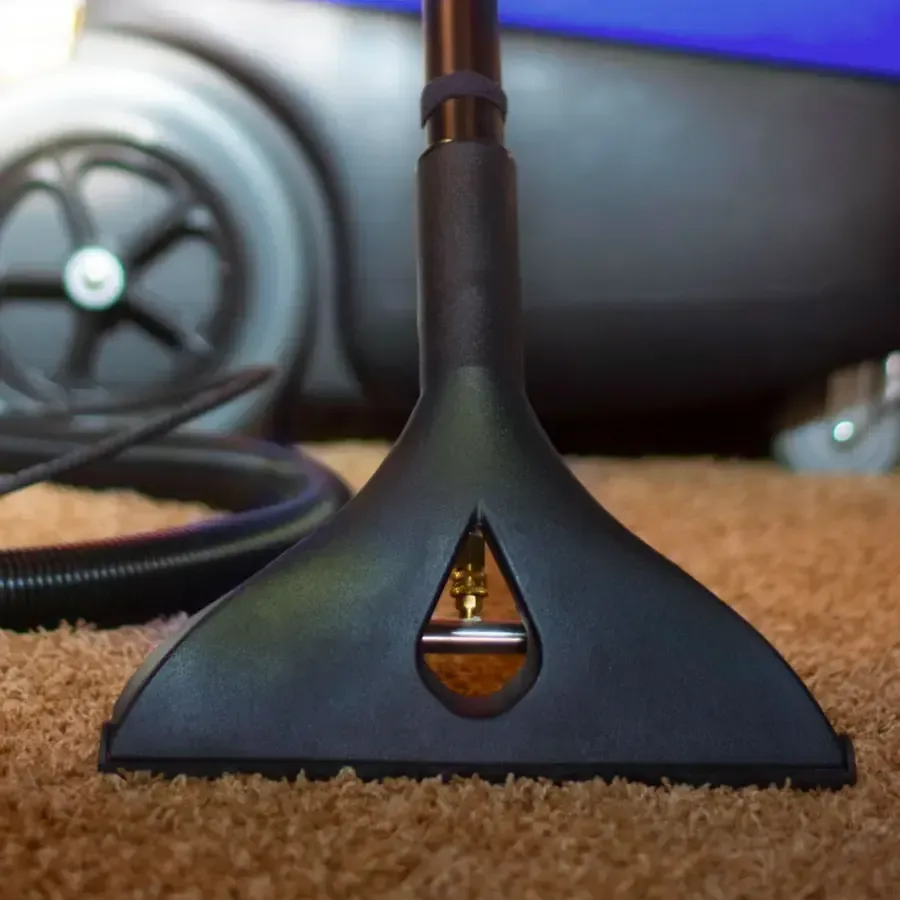
Water Damage Restoration Services in Duarte, CA
The source changes the work. Each service addresses its own access, contamination and drying needs, from a small supply leak to water across several rooms.
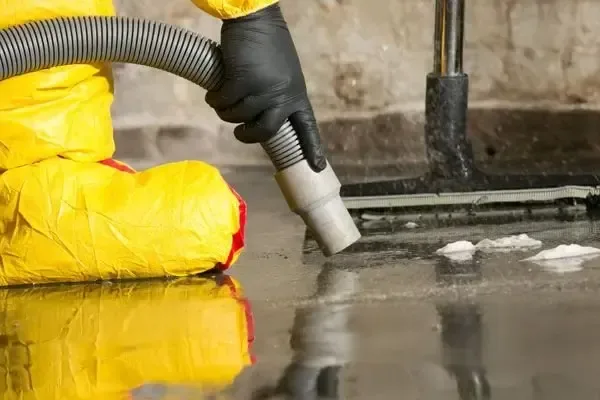
Water Extraction and Removal
Pooled water and saturated carpet need physical removal before dehumidifiers can make useful progress through the remaining moisture.
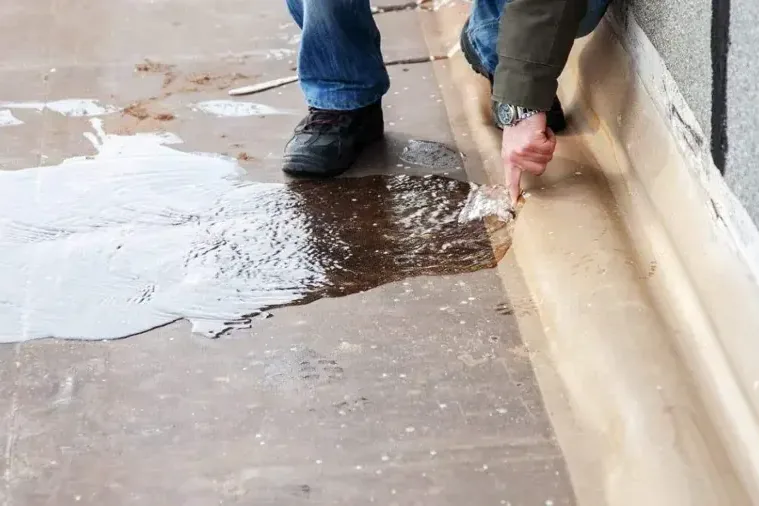
Slab Leak Water Damage
Damp floor edges and moisture beneath coverings require a coordinated leak investigation, careful access and measured concrete drying.
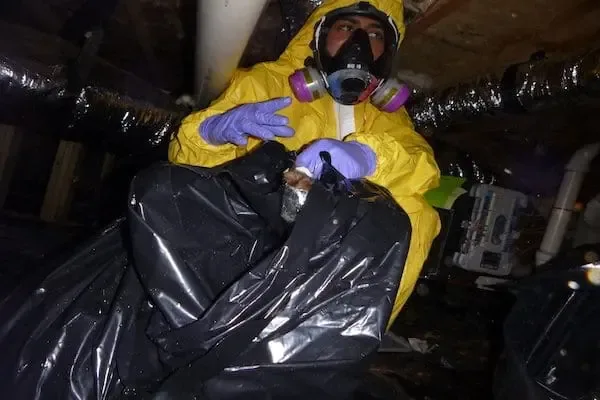
Sewage Backup Cleanup
Wastewater cleanup starts with restricted access, controlled removal and cleaning that addresses contamination before drying begins.
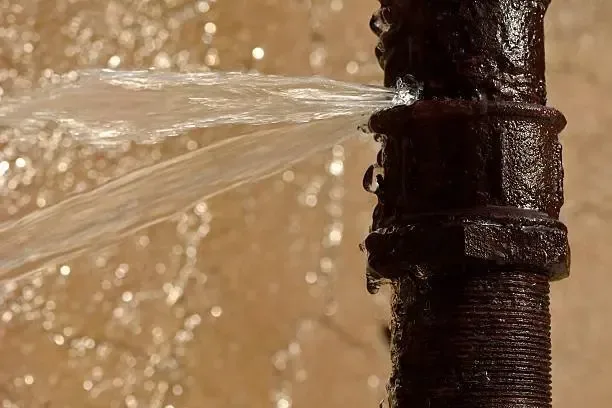
Burst Pipe Water Damage
A failed supply pipe can fill wall cavities quickly. Source isolation and a room-by-room moisture map define the cleanup.

Storm Flood Cleanup
Runoff carries soil and contamination inside. The crew separates safe access, water removal and damaged porous-material disposal.
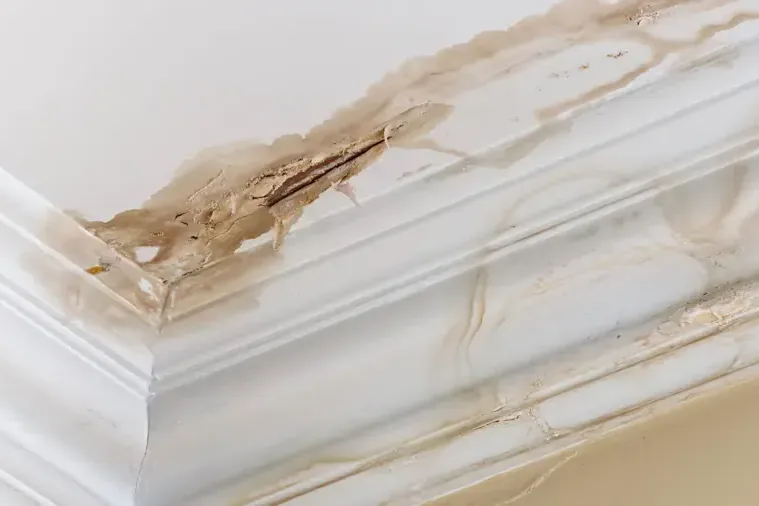
Roof Leak Water Damage
Rain entering through the roof can soak insulation before a ceiling stain appears. Attic and framing checks follow source control.
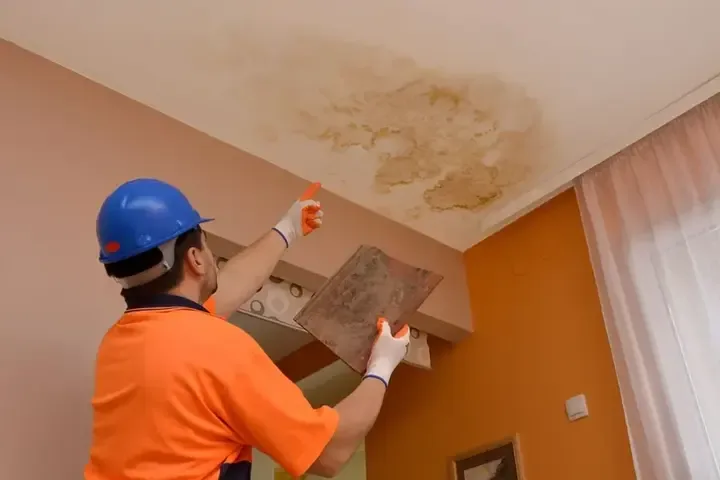
Ceiling Leak Water Damage
Water overhead calls for attention to sagging drywall, electrical fixtures and the room or plumbing above the stain.
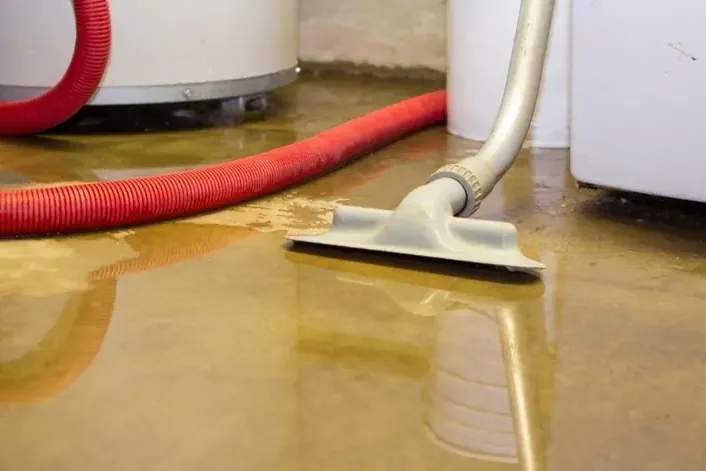
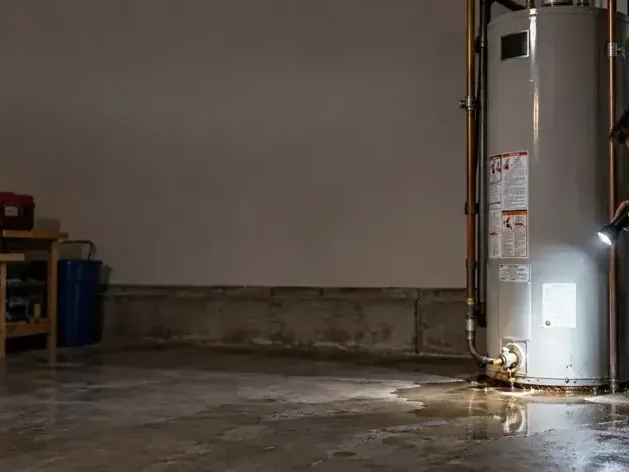
Water Heater Leak Cleanup
A leaking tank can wet its enclosure, nearby walls and stored items. Drying follows safe water and energy isolation.
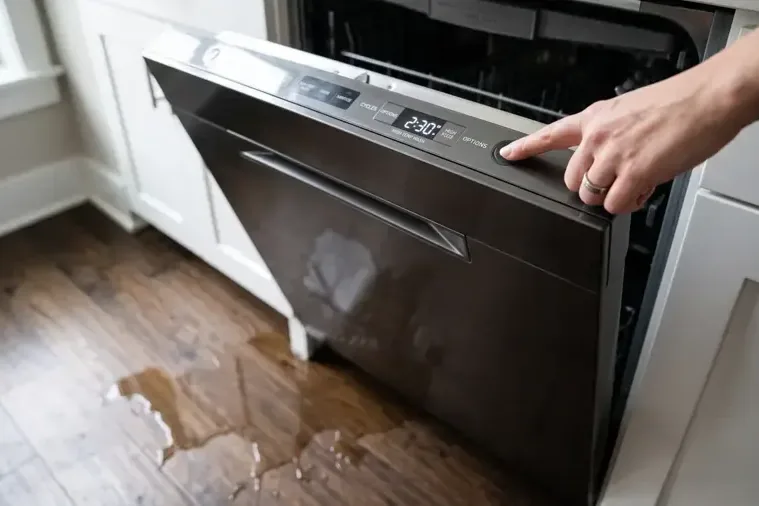
Appliance Leak Water Damage
Kitchen and laundry leaks travel beneath cabinets and flooring, where a dry-looking surface can hide retained moisture.
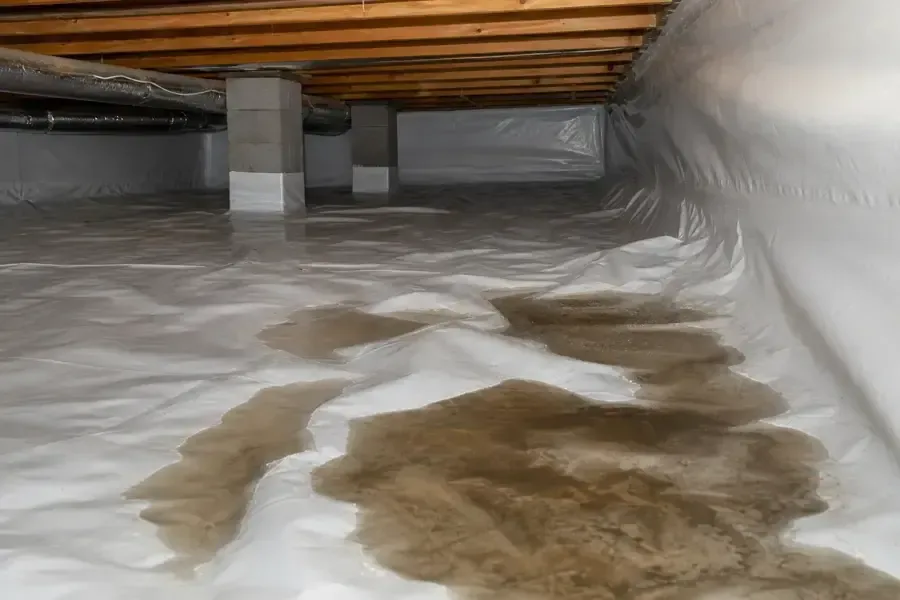
Crawl Space Water Removal
Water beneath a raised floor requires safe access, controlled pumping and checks of joists, insulation and subfloor materials.
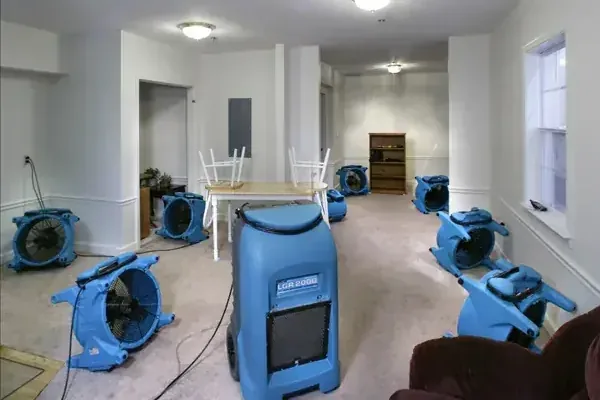
Structural Drying and Dehumidification
Airflow, dehumidification and daily material readings address wet framing and floor assemblies after standing water is gone.
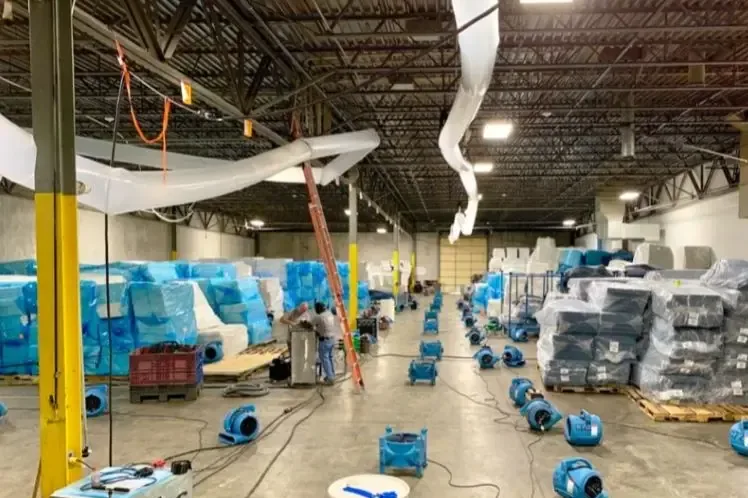
Commercial Water Damage
Business losses need a clear drying boundary, protected records and coordinated access around staff, equipment and occupied areas.
How water damage work takes shape
The drying plan follows the water through the building. Clear observations, controlled removal and repeatable readings keep each decision tied to the affected materials.
Rapid local response
The response team handles urgent losses through 24/7 dispatch and identifies active water, room hazards and access before the property assessment.
IICRC S500 drying standard
Technicians compare wet materials with suitable dry references, select equipment for the evaporation load and record progress through the drying period.
Claim-ready documentation
The mitigation record includes timestamped photographs, a moisture map, daily readings and a clear scope showing what removal and drying require.
Local water experts
Indoor leaks and foothill runoff create different jobs. The restoration crew evaluates the actual source and assembly before choosing openings or equipment.
How the dry-out progresses
Locate the full loss
The technician checks the source, adjoining rooms and hidden edges, then records the wet materials and a suitable dry reference for comparison.
Remove accessible water
The extraction crew pulls pooled water and saturation from salvageable surfaces, while separating contents and materials that require removal from the drying area.
Manage the drying air
Air movers and dehumidifiers work as a coordinated setup. The drying team checks humidity and material readings, then changes placement when progress slows.
Verify each assembly
Final readings cover the affected materials rather than one convenient spot. The completion record explains the drying result and any separate repair work remaining.
What does water damage restoration cost in Duarte, CA?
A contained clean-water loss commonly falls around $900 to $2,500, while several wet rooms or contaminated water can reach $3,000 to $9,000 or more. The restoration assessment measures affected materials, access and removal needs before a work scope takes shape.
Contained room
- Source controlled
- Limited wet materials
- Extraction and drying
Several wet rooms
- Broader moisture map
- Multiple material layers
- More equipment positions
Contaminated loss
- Controlled work area
- Porous material removal
- Cleaning before drying
Check the policy terms
Sudden accidental plumbing damage, a gradual leak, sewage backup and outdoor flooding can fall under different policy provisions. The policyholder asks the insurer about the applicable coverage and deductible.
The drying record describes work and observed conditions. It does not decide coverage. Separate plumbing repair, replacement finishes and reconstruction should be identified clearly in the proposed scope.
These are planning ranges. Water category, square footage, material class and the delay before drying change the scope. The cost calculator explores those variables without replacing an inspection.
What a water damage dry-out looks like in Duarte
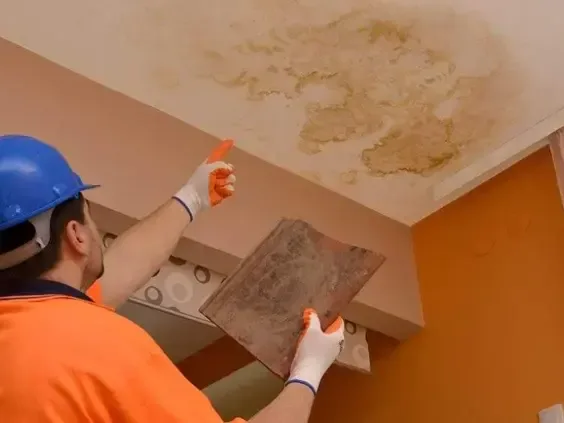
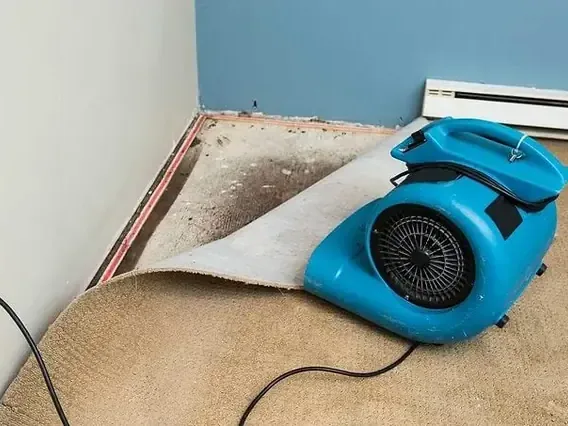
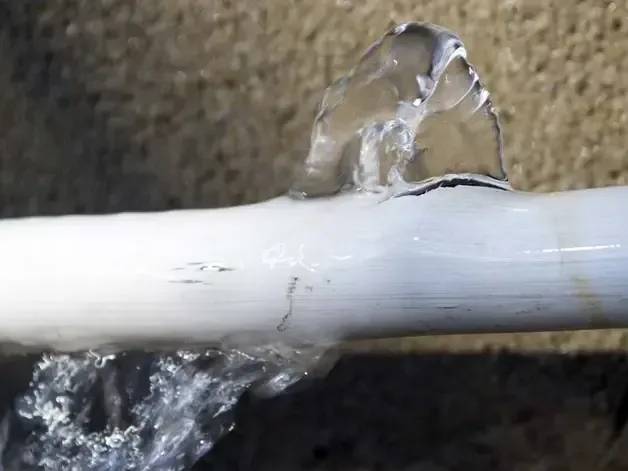
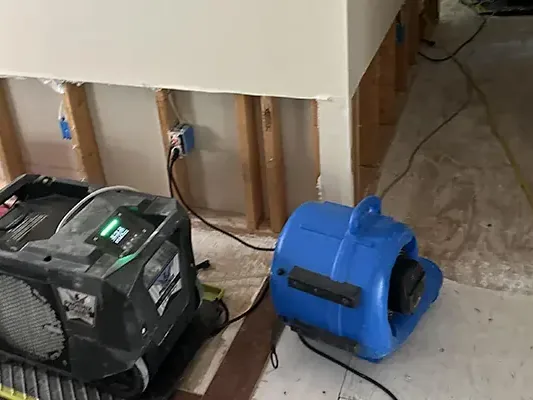
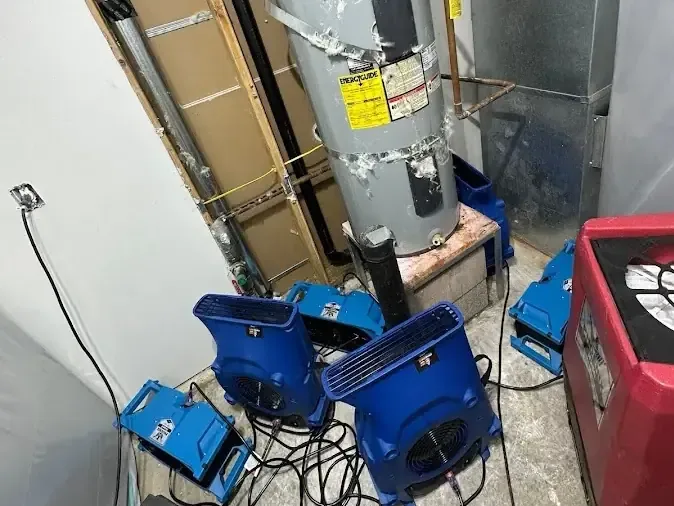
Water damage dried to the IICRC S500 standard
The drying team records where moisture sits and how materials respond. Air movers support evaporation, dehumidifiers remove airborne moisture, and repeat readings identify slow areas before equipment comes out.
A mapped wet boundary
Equipment matched to materials
Recorded drying goals
All water damage categories covered in Duarte, CA
Category 1: supply water
Fresh supply water begins with fewer contaminants, but contact with dirty materials and time can change its condition. Prompt extraction limits further wetting.
See supply-water extractionCategory 2: used water
Appliance discharge and other used water require careful handling. The crew examines the source, contacted materials and exposure before deciding what stays.
Inspect an appliance lossCategory 3: contaminated water
Sewage and outdoor floodwater require controlled cleanup. The team removes contaminated porous materials and cleans suitable remaining surfaces before structural drying.
Understand sewage removalWhat to do while the water is still moving
- Keep the route dry. The household stays out of water near electrical equipment and avoids rooms with bowed or sagging ceilings.
- Stop a reachable supply. A safely accessible shutoff can limit a plumbing loss. Nobody crosses standing water to reach a valve.
- Separate people from sewage. Children and pets remain away from wastewater. Household fans stay off until contamination and airflow have been assessed.
- Record visible conditions. Photographs taken from a safe position preserve the source, wet edges and contents before materials move or removal begins.
- Describe the affected spaces. Dispatch needs the source, rooms, floor coverings and access restrictions. The restoration team uses those details to plan the assessment.
Documentation for your insurance claim
The restoration team builds a record that explains the source, extent and work sequence. Clear photographs and measurements help the owner discuss the loss with the insurer.
- Timestamped photos before opening wet materials
- A room-by-room moisture map and source description
- Daily psychrometric logs and material readings
- Water category and affected material class
- A line-item removal, equipment and drying scope
Plan before you call
Nearby service areas
Water damage questions in detail

Sierra Madre Sewage Backups and Private Laterals
Sierra Madre sewage backups involve private laterals, public mains and contaminated rooms. See reporting, access control, plumbing findings and cleanup.

Monrovia Rental Pipe Leaks and Repair Access
Monrovia rental pipe leaks need clear occupant reports, authorized repair access and room records. Follow the handoff from source control to measured drying.

Monrovia Business Water Losses and Drying Zones
Monrovia business water losses need protected stock, clear work boundaries and documented room releases. See access planning, equipment routes and drying.
Water damage help across Duarte and nearby cities
Reach Duarte water damage dispatch, 24/7
The caller identifies the property, water source and safe access. The restoration team then focuses the assessment on the affected rooms and materials.
Hillside road closures or an occupied business can change access. Those details belong in the initial discussion along with any active plumbing leak.
(888) 578-6508Explain the rooms needing attentionDuarte, CA · [email protected]
Local roads and areas
ZIPs covered
Nearby service cities
Local conditions that shape the assessment
Duarte sits below the San Gabriel Mountains, with Huntington Drive crossing the city and the San Gabriel River nearby. The source assessment distinguishes hillside rain entry from plumbing water inside the building.
February 17, 2017: Storm preparations included hillside evacuations, Valley View School closure and road restrictions around Fish Canyon, Mel Canyon and Royal Oaks.
Hillside access
Storm closures can alter entry around canyon roads. The household follows current evacuation and closure instructions before arranging access to a wet property.
Indoor supply leaks
A leaking pipe can wet rooms during dry weather. Technicians track the supply source and material readings instead of assigning the loss to regional conditions.
Flooring layers
Water can move beneath a covering farther than its visible edge. The assessment checks floor transitions, cabinet bases and adjoining rooms before drying equipment placement.
Occupied rentals
Owners, tenants and managers need a shared account of affected rooms and access. Photographs and a moisture map clarify which areas need work.
Business spaces
City of Hope is a local landmark. Commercial drying plans elsewhere in the city likewise depend on the actual occupancy, contents and safe work boundary.
Duarte water damage questions
A wet room needs a clear next step
The restoration team assesses source control, contamination and material moisture before deciding how extraction and drying should proceed through the affected rooms.
(888) 578-6508Explain what changed in the roomWhat should happen first after water enters a room?
The household first avoids electrical hazards and unstable ceilings. A reachable supply shutoff can limit a plumbing leak. The restoration crew then identifies the source, checks the wet boundary and removes accessible water before setting the drying equipment. Photographs from a safe position help preserve the initial condition.
Is water damage dispatch available overnight?
Water damage dispatch is available 24/7. The initial discussion covers whether water is still flowing, the affected rooms and any access restrictions. Arrival timing depends on the situation and availability. A dangerous electrical condition, unsafe structure or evacuation instruction takes priority over entering the building.
Why is a dry-looking floor still checked with a meter?
Surface water can disappear while moisture remains in pad, subfloor or wall bottoms. The technician compares affected materials with suitable dry references and follows those readings over time. The drying plan addresses the full assembly, including moisture below coverings that a household towel cannot reach.
What does the IICRC S500 standard change about drying?
The IICRC S500 standard informs assessment, water category, material evaluation and drying procedures. The drying team selects equipment for the actual wet area and records progress. A fixed number of rental days or a room that feels warm does not replace material readings and a defined drying goal.
How long does an indoor dry-out usually take?
A contained clean-water loss often takes several days after extraction and source control. Dense materials, multiple layers, humidity and limited access can extend the process. Technicians take repeat readings and adjust airflow or dehumidification when a material stops progressing, then verify the affected assemblies before equipment removal.
Does every wet wall need removal?
The decision depends on contamination, material condition and access for drying. Sound materials affected by clean water may remain when the crew can dry and verify them. Sewage-soaked porous materials need removal. Swelling, loss of strength or trapped moisture can also require controlled openings and replacement.
Can the household use fans after a sewer backup?
Household fans can spread contamination from wastewater. People and pets should remain outside the affected room while the source and exposure area are assessed. The cleanup crew uses protective equipment, contains the work and removes contaminated porous materials before cleaning and drying suitable remaining surfaces.
What records help an insurance discussion?
The useful file includes the source description, dated photographs, affected-room measurements, a moisture map and daily drying records. The line-item scope separates removal, equipment and other tasks. The insurer decides coverage from the policy and circumstances; restoration documentation should describe conditions clearly without promising reimbursement.
Do foothill storm precautions matter for an indoor leak?
The leak source and access are separate questions. A supply failure still needs safe isolation and interior drying, while current road closures may affect reaching the property. Fish Canyon and Mel Canyon had storm-related road restrictions in February 2017. Current city instructions govern access during a new event.
Give the spreading water a measured response
The restoration team assesses the source, removes accessible water and checks the building materials through the dry-out.
(888) 578-6508Set the assessment in motion