Baldwin Park identifies observed local flooding at Barnes Avenue and Aukland Street and at Syracuse Avenue and Finchley Street in its Barnes Park project description. When street runoff reaches a home, the practical questions are where it crossed the threshold, what it carried inside and which materials it contacted before receding.
Key takeaways
- Keep people out of moving runoff and potentially energized standing water.
- Photograph the building entry point from a safe, dry position.
- Separate runoff affected belongings from clean household storage.
- Follow sediment and moisture beyond the doorway into adjoining layers.
- Record exterior drainage observations separately from completed indoor cleanup.
The threshold becomes the first inspection landmark
An entry door provides a useful reference for comparing exterior and interior observations. Photographs can show the door bottom, nearby floor edge and the direction of visible debris. An occupant should not step into street water to obtain a better view; indoor observations can wait until safe access is established.
The room record should describe where water was first noticed and whether it continued entering after discovery. A threshold may be only one route, so the assessment also looks for water at adjoining walls or other openings. Separate observations help avoid treating every wet patch as though it came through the same gap.
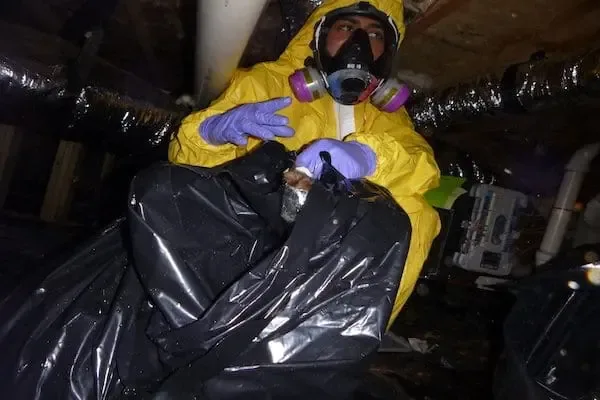
The storm water cleanup process begins with access and exposure conditions. Water that has crossed an outdoor surface can carry soil and other contaminants into the home. The crew needs that history before selecting handling methods for belongings, porous finishes and the affected room.
- Mark the doorway on the room sketch.
- Record other visible entry points.
- Keep exterior photographs tied to their actual location.
A drainage project explains the public setting
The Barnes Park Multi-Benefit Stormwater Capture Project design routes pretreated runoff into subsurface storage for infiltration. Its described drainage connections include the storm drain on Bess Avenue and surface diversions on Patritti Avenue and Syracuse Avenue. Those are useful names when locating a reported drainage concern in the surrounding area.
For a damaged home, the immediate assessment remains focused on the water route across that property. Door details, exterior surface conditions and interior observations should be documented directly. A municipal project description and a household's damage record serve different purposes and should retain their own clear locations and dates.
The property contact keeps the public drainage report with dated photographs of the doorway and room. Inside, the restoration crew inspects the wet flooring, wall bases and adjoining openings to define cleaning, removal and drying. The work scope names those affected materials and records where the inspection found water beyond the threshold.
Sediment shows where cleanup must be controlled
Soil at a doorway can be tracked into dry rooms by shoes, carts and furniture. The working route should separate the affected space from areas used for storage or daily living. Temporary organization matters because unnecessary movement can extend the cleanup beyond the path the water originally followed.
A sediment mark can help describe water travel but should be compared with moisture observations. Water may have continued beneath a floor covering while heavier debris settled near the entrance. The inspection follows both the visible residue and accessible construction beyond it to define the work boundary.
Water extraction is arranged around the source and the material conditions. Equipment and disposal choices should suit the exposure rather than treat the event as ordinary spilled household water. The crew can explain how the affected work route and removed material will be managed during cleanup.
- Keep footwear and equipment movement controlled.
- Identify a separate area for unaffected belongings.
- Inspect beyond the visible sediment deposit.
Door trim and low wall sections need individual decisions
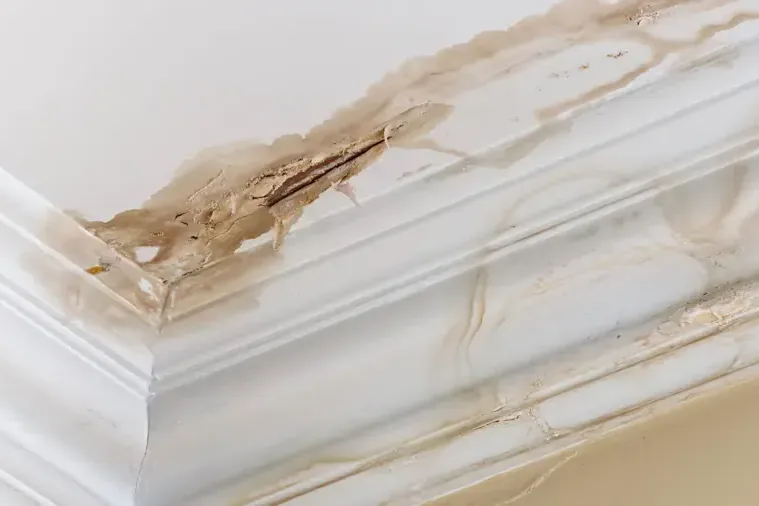
The base of a door opening can contain several different materials, each with its own response to wetting. Trim, wall covering, backing and the supporting floor should be described separately. Swelling, loose attachment or contamination may affect whether a component can remain, even when its exposed face has started to dry.
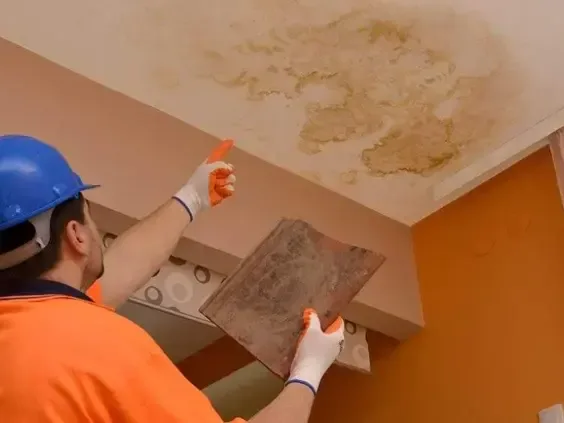
The crew assesses porous materials that absorbed dirty runoff and identifies the sections requiring removal. Photographs record the exposure and condition before work begins. The scope follows water beneath the doorway trim and into adjacent wall bases, giving the owner a clear description of the surfaces included in cleanup.
Where access exposes framing or another retained component, that surface becomes part of the subsequent cleaning and drying plan. The work record should identify it by location so progress can be measured consistently. Each newly exposed layer can refine the scope instead of disappearing into an undifferentiated demolition note.
- Describe damaged components by material.
- Photograph concealed layers as they are exposed.
- Record the reason for each removal decision.
Belongings should leave through a planned route
A wet chair, rug or storage carton can carry runoff onto a clean floor. The team plans a route and sets aside an assessment area before moving contents out of the room. Labels record each item, its original location and its condition so the household can follow the later cleaning or disposal decision.
The inventory can separate objects suitable for further assessment from items approved for disposal. Photographs should show the actual damage rather than only a pile after removal. This preserves useful information while allowing the work area to be cleared for cleaning and access to the construction beneath.
Outdoor runoff exposure also affects how household goods are handled. The owner should receive item specific decisions appropriate to material and use. Unaffected belongings belong outside the working area so treatment of a damaged item does not introduce residue into clean storage.
Cleaning and drying answer different completion questions
Removing visible dirt addresses only part of a runoff loss. The crew must also decide what can be appropriately cleaned and what needs removal because of exposure or damage. Drying then concerns the moisture remaining in the retained construction after those decisions and the necessary preparation.
The structural drying stage follows the identified materials and accessible surfaces. Room conditions, airflow and repeated readings help show whether the retained assembly is responding. A clean looking floor should not become the sole basis for closing a wall or installing replacement trim.
If readings remain elevated at a doorway corner, the crew investigates that location rather than extending equipment time without explanation. Another wet layer or continued entry may require attention. The daily notes should connect observations, adjustments and outcomes so the homeowner understands why treatment continues.
Preserve the entry history for the next repair decision
The final household record should include the discovered entry route, affected rooms, material decisions and drying completion. Exterior observations should remain attached to their photographs and dates. That information can help a qualified repair contractor examine the doorway or drainage arrangement after the immediate loss is addressed.
The owner may need separate scopes for interior finish replacement and exterior corrective work. Keeping them distinct makes it easier to see which task addresses the original entry route and which restores damaged construction. Completion of the indoor cleanup should not silently substitute for the exterior assessment.
For Baldwin Park properties, the useful handoff is specific enough to revisit later: the opening that admitted water, the room it entered and the layers treated. A clear record supports maintenance planning while leaving public drainage reporting with the appropriate agency and property repairs with the responsible contractor.
Questions
Does street runoff need different handling from a sink spill?
Runoff has traveled across outdoor surfaces and may carry contaminants. Its exposure history affects protective measures, contents handling and decisions about porous building materials.
Can the doorway be the only wet part of the room?
It can be the visible entry while water continues beneath adjacent flooring or wall edges. Inspection should follow the actual moisture path before the boundary is set.
What should an exterior photograph show?
Useful images identify the opening, nearby surface conditions and visible debris from a safe position. They should remain clearly labeled so a later contractor can match them to the building.
Should a drainage report replace the indoor damage inventory?
Each record addresses a different location and task. The household inventory documents affected materials, while the drainage report describes the observed public or exterior concern.
When is replacement door trim appropriate?
Trim installation follows decisions about the damaged components, preparation of the exposed area and documented drying of retained materials. The repair contractor should also understand any remaining entry problem.