Storm Flood Cleanup in Baldwin Park, CA
Mud at a threshold tells only part of a flooding story. Baldwin Park storm cleanup follows runoff across the interior, identifies contacted materials and establishes a clean passage before removal and drying work proceeds.
(888) 578-6508Explain where runoff crossed the threshold
How the storm flood cleanup team works
Rapid local response
The response team handles urgent water losses through 24/7 dispatch. The initial discussion identifies active water, unsafe rooms, affected materials and access so the assessment begins with the right priorities.
IICRC S500 drying standard
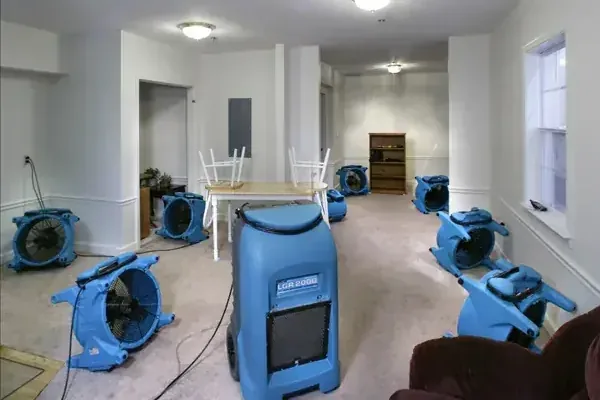
The drying crew sets material-specific goals using the IICRC S500 standard. Extraction, humidity control and repeated meter readings work together to address moisture beyond a floor that merely looks dry.
Claim-ready documentation
The mitigation team records the source description, room measurements and visible damage before removal. Dated photographs and daily moisture records keep the drying work understandable for the owner and the adjuster.
Local water experts
The restoration assessment distinguishes indoor supply failures from rainwater entry. Technicians inspect the actual wall and floor assembly, explain access needs and keep occupied areas separate from equipment and wet materials.
First steps for storm flood cleanup in Baldwin Park
- Keep out of moving water. Do not cross outdoor flooding or enter a wet room with electrical hazards. Observe from a protected dry location until access has been assessed.
- Capture the opening. Photograph the threshold or other visible entry point if safely reachable. Include debris and the indoor water path before cleanup changes the scene.
- Separate wet belongings. Avoid carrying exposed rugs, boxes or furnishings into clean rooms. Leave them for a contact assessment and identify a dry route around the loss.
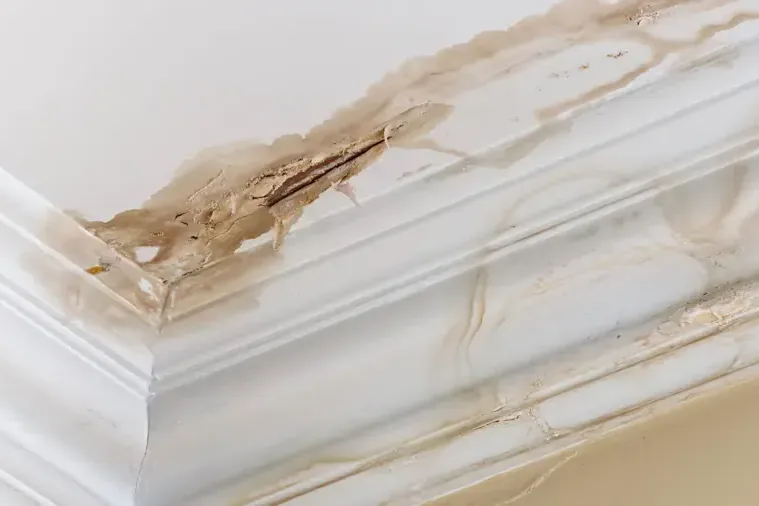
- Report continuing entry. Describe whether runoff is still arriving and which rooms are connected. Note any overhead leak separately so different water sources can be evaluated independently.
What does storm flood cleanup cost in Baldwin Park, CA?
Storm cleanup in Baldwin Park spans $3,000 to $18,000+ across these scopes. Outdoor contamination, the number of wet assemblies and access for removal determine much of the work. Entry repairs and replacement finishes can add tasks beyond interior cleaning and drying.
Limited runoff entry
- Threshold contact assessment
- Contained water removal
- Accessible surface cleaning
Multiple wet assemblies
- Floor and wall inspection
- Affected porous material handling
- Coordinated cleaning and drying
Extensive interior flooding
- Broad contact area controls
- Expanded debris removal scope
- Detailed structural moisture tracking
Documentation for your insurance claim
The restoration team records a moisture map, daily psychrometric logs, timestamped pre-demolition photos, water category and material class. A line-item scope explains the equipment and removal work. Sudden accidental leaks, long-running damage, sewer backups and outdoor floods have different policy terms. The homeowner checks coverage with the insurer. The water damage cost calculator offers a planning range; category, square footage, material class and drying delay shape the actual scope.
The storm flood cleanup process
Document the water route
Inspection connects the exterior opening with contacted indoor surfaces. The team records debris, wet thresholds and any continuing entry before defining a safe interior work area.
Clear and assess exposure
Accumulated water and debris are removed under suitable controls. Porous finishes and contents are evaluated for retention or disposal according to exposure and material condition.
Clean before drying
Retained surfaces receive appropriate cleaning after affected material removal. Access to lower walls and floor layers is reviewed so hidden contact areas do not remain untreated.
Verify the remaining assembly
Drying measurements follow retained materials while source entry repairs are coordinated. The handoff identifies readiness for reconstruction and any unresolved exterior work that could allow renewed wetting.
Runoff can enter a low opening, follow the floor into a closet and leave residue well beyond the door. The initial assessment should capture that route before pumping or sweeping erases it. A photograph from a safe, dry location helps connect the outdoor conditions with damage found farther inside the building.
Start with the actual point of entry
The city identifies observed local flooding at Syracuse Avenue and Finchley Street. Barnes Avenue and Aukland Street are another documented location. An affected property needs inspection of its own threshold, wall openings and interior layout, including any water that continued entering after the first puddle appeared.
The Barnes Park stormwater project design captures runoff from the storm drain on Bess Avenue and includes surface diversions on Patritti Avenue and Syracuse Avenue. That drainage setting makes the entry description useful when discussing a loss. Inside the building, the removal scope follows water contact and material condition.
Separate dirty water from dry living space
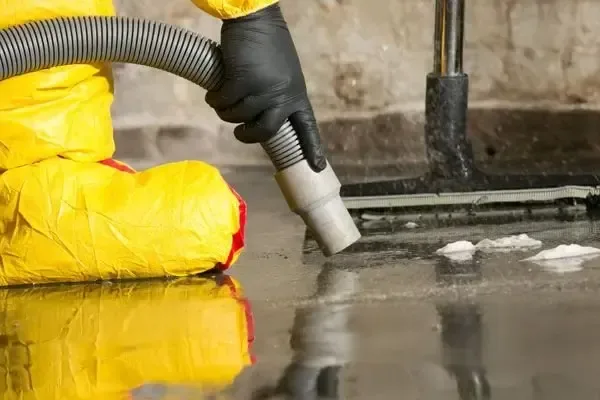
Outside water may carry soil and other contaminants across a finished floor. Moving wet furniture into another room can extend the contact area. The cleanup team establishes a handling route, assesses porous finishes and identifies surfaces that need cleaning after standing water and debris have been removed.
- Keep shoes and wet belongings out of unaffected rooms.
- Record debris deposits before the floor is cleared for inspection.
- Include closets and floor transitions in the contact area assessment.
Water extraction removes the accumulation. Contamination decisions remain a separate part of the storm scope, particularly where absorbent material conceals a wet backing or substrate. Drying fans should follow that assessment rather than becoming the first response to dirty water.
Inspect what remains behind the residue
Once the surface is accessible, lower walls, door trim and floor layers can be checked for retained moisture. Removal may expose hidden spread that was invisible while water covered the room. The written scope should identify that finding and explain how it changes cleaning or drying access.
Structural drying then addresses retained building moisture with a measured plan. Repairs to the entry route should be coordinated alongside interior work so another rainfall does not rewet the assembly. The completion record should distinguish the cleaned contact area, drying results and exterior repairs still requiring attention.
Storm flood cleanup in Baldwin Park
Baldwin Park storm damage inspections include properties along Syracuse Avenue, near Barnes Park and around Patritti Avenue. Explain where outdoor water entered, whether the route remains active and which interior surfaces were contacted before discussing the cleanup access plan.
The same service nearby: storm flood cleanup in Duarte, Arcadia, Azusa.
Water damage restoration in Baldwin Park · every town covered
Related water damage services in Baldwin Park
Storm Flood Cleanup questions in Baldwin Park, CA
A clearer next step
Runoff crossed into the building
(888) 578-6508Connect the entry route with the interior damageIs clear runoff safe to walk through?
Runoff needs assessment of its source and contact with outdoor surfaces. It may have contacted soil, drains or other contaminants before entering. Keep occupants out of the wet area and let the cleanup assessment determine suitable handling, protective measures and the boundary of exposed materials inside the property.
Should the threshold be repaired first?
Continuing water entry needs attention, but access and weather conditions may limit immediate work. Coordinate the entry repair with interior stabilization. Photographs and an inspection of the opening help preserve the cause information, while the restoration team addresses accumulated water and the materials already affected indoors.
Can a wet rug be moved into a bedroom?
Moving an exposed rug can carry contamination into a previously clean space. Leave it within the assessed area until handling is planned. The rug, backing and surface beneath it all need consideration, because trapped water may remain even after the top no longer appears saturated.
Why inspect the bottom of a wall?
Water at floor level can reach drywall edges, insulation or trim. Those materials may retain moisture after the floor is cleared. Inspection and measurements help establish whether cleaning, removal or drying access is needed, so the restoration scope follows the real contact path through the assembly.
Does the drainage project change a cleanup estimate?
An estimate is based on conditions at the affected property: water entry, contamination, materials and access. The Barnes Park project describes a stormwater capture design, while an interior assessment identifies the actual restoration work. Provide observations of the loss rather than assuming the project determines a home's repair needs.
What should the final storm loss record include?
Keep photographs of the entry route, a list of affected materials and the removal and cleaning scope. Drying records and exterior repair information complete the picture. A clear handoff should also identify finishes awaiting replacement and any opening that still needs repair before the next wet weather.
Explain the threshold, debris and wet rooms visible from a safe location. That description helps establish the contact area and the next steps for controlled removal, cleaning and drying.
Discuss the runoff contact area
(888) 578-6508Save entry photographs before conditions change.