Slab Leak Water Damage in Arcadia, CA
A damp floor edge can be the first visible part of a concealed plumbing problem. Slab leak cleanup in Arcadia follows the actual moisture pattern while source investigation determines where repair access belongs.
(888) 578-6508Describe the damp floor edge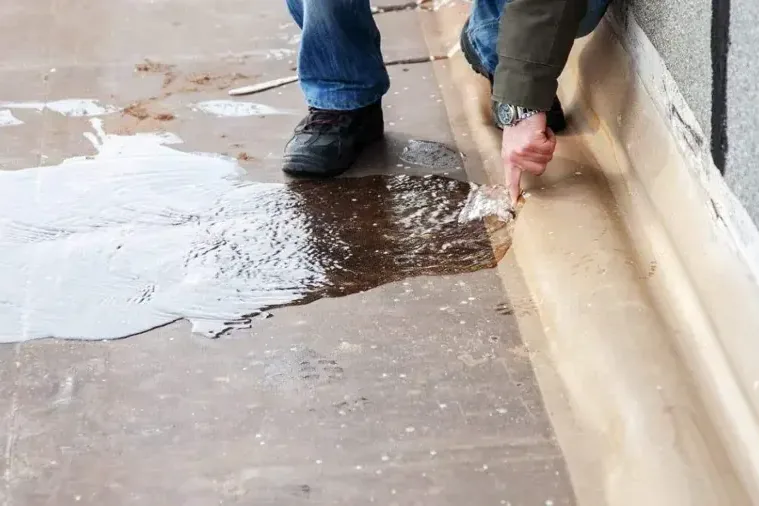
How the slab leak water damage team works
Rapid local response
The response team handles urgent water losses through 24/7 dispatch. The initial discussion identifies active water, unsafe rooms, affected materials and access so the assessment begins with the right priorities.
IICRC S500 drying standard
The drying crew sets material-specific goals using the IICRC S500 standard. Extraction, humidity control and repeated meter readings work together to address moisture beyond a floor that merely looks dry.
Claim-ready documentation
The mitigation team records the source description, room measurements and visible damage before removal. Dated photographs and daily moisture records keep the drying work understandable for the owner and the adjuster.
Local water experts
The restoration assessment distinguishes indoor supply failures from rainwater entry. Technicians inspect the actual wall and floor assembly, explain access needs and keep occupied areas separate from equipment and wet materials.
First steps for slab leak water damage in Arcadia
- Note the first floor changes. The homeowner should record damp joints, changed trim and lifting finishes without prying into the floor. These observations establish a starting area for inspection.
- Arrange source investigation. A plumbing professional should determine the leak location and repair approach. Moisture mapping can proceed alongside that work, following the wet materials beyond the proposed opening.
- Keep affected finishes uncovered. Rugs and stored items can conceal the wet boundary. Safe removal of loose belongings exposes the area for documentation while fixed materials await a planned access decision.
- Separate access from reconstruction. Before an opening is made, the authorizing contact should understand its purpose. Repair of the source, drying and replacement of floor finishes need distinct scope descriptions.
What does slab leak water damage cost in Arcadia, CA?
Slab leak damage costs in Arcadia reflect how much flooring must be accessed, how far moisture extends and which materials can remain. The cleanup estimate should identify concrete drying and damaged finish handling separately from the plumber's source repair and later installation work.
Accessible floor edge
- Localized finish assessment
- Edge moisture readings
- Limited drying access
Several wet layers
- Floor assembly assessment
- Selective material removal
- Expanded concrete drying
Wider slab moisture
- Broader affected footprint
- Repeated material checks
- Detailed repair handoff
Documentation for your insurance claim
The restoration team records a moisture map, daily psychrometric logs, timestamped pre-demolition photos, water category and material class. A line-item scope explains the equipment and removal work. Sudden accidental leaks, long-running damage, sewer backups and outdoor floods have different policy terms. The homeowner checks coverage with the insurer. The water damage cost calculator offers a planning range; category, square footage, material class and drying delay shape the actual scope.
The slab leak water damage process
Compare wet and dry areas
Initial readings establish the affected floor pattern and a reference beyond it. Visible changes and plumbing findings are recorded together without conflating their purposes.
Coordinate the necessary opening
The team assesses existing and proposed access with the owner. Removal focuses on damaged layers and the openings required for practical drying of the assessed assembly.
Follow moisture beneath finishes
Drying equipment is arranged around exposed materials and access limits. Repeated observations identify edges or dense layers that need more attention before the finish can be replaced.
Explain the remaining repair work
Completion notes distinguish the source correction, material removal and drying outcome. Any floor patching or finish installation still needed should remain visible in the final handoff.
A wet baseboard, lifting finish or damp patch over concrete calls for investigation beneath the surface. The source location and the visible damage may be separated by the path water takes through an assembly. Cleanup therefore begins with a map of affected finishes and accessible edges, while the repair provider determines how to reach the leaking component.
Let the current floor assembly set the scope
Arcadia developed from small farms and chicken ranches into residential neighborhoods over several periods. That history makes the present building the useful starting point for an inspection near Anoakia Estates, Foothill Boulevard or Huntington Drive. The assessment records the actual finish, underlayment and concrete access rather than selecting a drying method from the neighborhood name.
The City of Arcadia provides residential water services, and the Public Works Services Department operates its distribution system. A plumbing investigation should establish the source needing repair. The mitigation team separately identifies water affected trim, cabinet edges and floor layers that remain after that repair.
Open only what the wet pattern requires
Targeted access can expose moisture trapped under an otherwise intact looking surface. Before materials are lifted, the property owner should understand why the opening is proposed and what replacement work it creates. An existing plumbing access opening also needs examination around its perimeter because adjacent materials may remain damp.
- Record the visible changes before a finish is removed.
- Check nearby boundaries against an unaffected reference area.
- Keep debris removal separate from the final floor installation.
Where water has escaped across an open room, surface extraction may precede the work on concrete. Collection and drying serve different purposes, especially when a finish limits moisture release.
Choose a drying endpoint before replacement
Concrete can retain moisture after exposed surfaces look ready for use. The drying plan considers what remains in place, where air can reach and what measurements can be repeated. The structural drying assessment should identify progress in the affected assembly rather than relying on the absence of a puddle.
The repair handoff needs a clear distinction between a corrected leak and materials ready for new finishes. That distinction helps prevent a repaired pipe from being mistaken for a completed floor restoration. Final notes should identify any inaccessible edge or material that still requires investigation before installation proceeds.
Slab leak water damage in Arcadia
Floor moisture assessments extend through residential areas near Colorado Boulevard, Anoakia Estates and Foothill Boulevard. Access details should identify occupied rooms and the affected finish so the inspection can reach floor edges without unnecessary disruption to unaffected living spaces.
The same service nearby: slab leak water damage in Duarte, Sierra Madre, Monrovia.
Related water damage services in Arcadia
Slab Leak Water Damage questions in Arcadia, CA
A clearer next step
Include whether the leaking component has already been repaired.
(888) 578-6508Connect source repair with material recoveryDoes a wet floor edge identify the broken pipe?
It identifies an area needing assessment, not the exact repair location. Water can travel beneath a finish before it becomes visible. The plumber investigates the source, while the restoration team maps affected materials so source access and moisture removal each have an appropriate scope.
Can the floor stay in place during drying?
That depends on its construction, condition and ability to release retained moisture. Some edges permit effective access, while trapped water beneath a damaged layer may require removal. The decision should follow inspection of the actual assembly and an explanation of the resulting repair needs.
Is a repaired pipe enough to start new flooring?
Source repair stops the release, but the concrete and adjacent layers can remain wet. New installation should follow a material moisture assessment appropriate to the planned finish. The drying record helps the installer understand what was affected and what measurements were taken afterward.
What should be photographed before access work?
Useful images show changed seams, discolored trim, damaged finish edges and the original room arrangement. Photos of the access opening and exposed layers add context after removal. Keeping these together helps explain why a small visible patch led to a broader assessment beneath the finish.
Will every room need drying equipment?
Equipment belongs where measurements and access show a drying need. A nearby room may be unaffected even when its doorway is close to the repair opening. The assessment should explain the boundary and revisit it if later readings show moisture extending farther than initially observed.
Who handles the replacement finish?
The written scope should identify whether reconstruction is included or handled separately. Moisture mitigation, plumbing repair and floor installation involve different tasks. The property owner benefits from a handoff that states what is complete and which openings or removed components still require repair.
Floor changes around a concealed leak
Describe the damp edges, the current floor covering and any opening already made by the plumber. Those details help organize a moisture assessment that follows the affected layers and explains what must happen before replacement finishes return.
(888) 578-6508Inspect the slab moisture footprint