Structural Drying and Dehumidification in Arcadia, CA
An emptied room can still contain wet wood, wall layers and floor backing. Structural drying in Arcadia tracks those materials directly, using equipment placement and repeat readings to support decisions about repair readiness.
(888) 578-6508Check the retained material moisture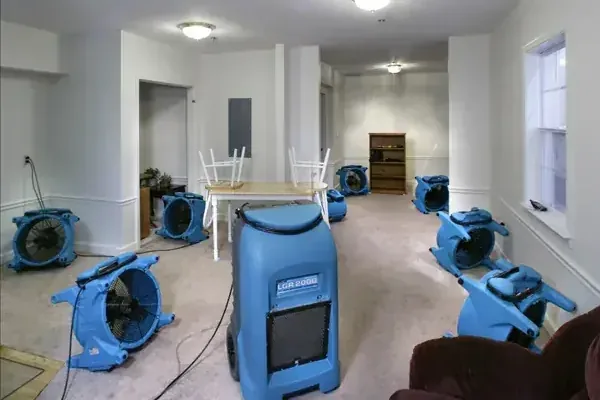
How the structural drying and dehumidification team works
Rapid local response
The response team handles urgent water losses through 24/7 dispatch. The initial discussion identifies active water, unsafe rooms, affected materials and access so the assessment begins with the right priorities.
IICRC S500 drying standard
The drying crew sets material-specific goals using the IICRC S500 standard. Extraction, humidity control and repeated meter readings work together to address moisture beyond a floor that merely looks dry.
Claim-ready documentation
The mitigation team records the source description, room measurements and visible damage before removal. Dated photographs and daily moisture records keep the drying work understandable for the owner and the adjuster.
Local water experts
The restoration assessment distinguishes indoor supply failures from rainwater entry. Technicians inspect the actual wall and floor assembly, explain access needs and keep occupied areas separate from equipment and wet materials.
First steps for structural drying and dehumidification in Arcadia
- Confirm the source condition. The owner should report source repairs and renewed wetting. Continuing leakage can enlarge the footprint and affect materials already included in the drying plan.
- Keep agreed equipment arrangements intact. Moving fans or switching off equipment changes the planned conditions. Occupants should discuss noise, passage and practical concerns with the team so adjustments preserve the purpose of the setup.
- Leave inspection points accessible. Belongings or replacement finishes can block repeat readings. The work area should retain access to the material locations used to compare moisture changes throughout the drying assessment.
- Coordinate the next repair trade. The reconstruction contractor needs material observations before covering affected assemblies. Scheduling should distinguish an equipment visit from the assessment establishing readiness for replacement finishes.
What does structural drying and dehumidification cost in Arcadia, CA?
Structural drying costs in Arcadia depend on retained material volume, access and the equipment arrangement needed to achieve useful progress. The estimate should explain monitoring and adjustments, while any additional removal or reconstruction receives its own scope instead of being assumed within equipment operation.
Limited exposed materials
- Localized material readings
- Focused equipment arrangement
- Documented progress assessment
Several wet assemblies
- Mixed material assessment
- Adjusted airflow placement
- Connected area monitoring
Dense or extensive moisture
- Broader drying footprint
- Access limitation evaluation
- Detailed readiness handoff
Documentation for your insurance claim
The restoration team records a moisture map, daily psychrometric logs, timestamped pre-demolition photos, water category and material class. A line-item scope explains the equipment and removal work. Sudden accidental leaks, long-running damage, sewer backups and outdoor floods have different policy terms. The homeowner checks coverage with the insurer. The water damage cost calculator offers a planning range; category, square footage, material class and drying delay shape the actual scope.
The structural drying and dehumidification process
Set reference locations and objectives
The team records affected assemblies and comparable measurement points, including an unaffected reference where appropriate. Planned repairs help define what the drying assessment needs to establish.
Arrange air movement and moisture removal
Equipment placement accounts for room geometry, material exposure and occupant passage. The initial arrangement is documented so later changes can be related to the response of the assessed assembly.
Reassess response and access constraints
Repeat readings identify progressing locations and slower areas. Equipment changes or selective openings can address a concealed layer that restricts drying of the retained assembly.
Communicate conditions for reconstruction
The final record connects material observations with the planned repair handoff. It identifies remaining limitations or unresolved areas so replacement finishes do not cover a component that still needs assessment.
The end of visible water removal is the beginning of a different assessment. Moisture can remain within wood, wallboard, concrete or a layered floor, with each material releasing it differently. A drying plan identifies the retained wet components, practical measurement points and the access needed for equipment to influence the affected assembly.
Use the existing assembly as the starting point
Arcadia's housing history includes conversion of farms and chicken ranches into residential lots, continued growth in the 1950s and 1960s, and the later Anoakia Estates development. A building near Foothill Boulevard or Huntington Drive may also contain alterations made after its original construction. Drying decisions therefore follow the present materials and accessible layers recorded during inspection.
The City of Arcadia provides residential water service, with distribution operated by the Public Works Services Department. Source repair must be stable enough to prevent repeated wetting while the retained material assessment proceeds. New leakage changes the conditions and should be documented promptly.
Give every measurement a useful location
A moisture reading is most useful when the record identifies the material and place being checked. Repeating observations at comparable locations shows whether the assembly is responding. A dry reference area can add context, while differences between an exposed edge and a concealed layer help direct further access decisions.
- Record material types alongside the wet boundaries.
- Identify areas that equipment cannot reach effectively.
- Track changes after access or equipment positions are adjusted.
Air movers encourage moisture release from exposed surfaces, while dehumidification removes moisture from the surrounding air. Their arrangement should fit the room and material footprint. Additional equipment without appropriate access may leave the same concealed pocket untreated.
Let the material response direct the handoff
Persistent dampness can call for a revised layout, further inspection or selective removal. The team should explain that decision through the affected material rather than a preset calendar. If pooling remains, water removal may still be required before that part of the assembly can be addressed effectively.
The town restoration overview describes related source-specific cleanup work. The drying handoff should identify achieved conditions, remaining limitations and the surfaces ready for reconstruction, giving the next contractor a usable account of what lies beneath the replacement finish.
Structural drying and dehumidification in Arcadia
Material drying assessments extend to homes around Anoakia Estates, Colorado Boulevard and Huntington Drive. The property contact should identify previous water removal, current equipment and planned repairs so the next inspection can evaluate retained moisture in the assemblies that remain.
The same service nearby: structural drying and dehumidification in Duarte, Sierra Madre, Monrovia.
Related water damage services in Arcadia
Structural Drying and Dehumidification questions in Arcadia, CA
A clearer next step
Include any area that has remained inaccessible during earlier cleanup.
(888) 578-6508Ask for a material focused drying assessmentWhy measure a wall that feels dry?
Surface touch reflects only the accessible face and can miss moisture within the assembly. Readings at appropriate material locations help establish whether the retained components have responded to drying. Those observations are more useful for reconstruction planning than judging the wall solely by its appearance or feel.
Do more fans always improve the result?
Equipment must reach the affected materials and operate within a suitable drying arrangement. A concealed layer can remain damp even with strong room airflow. The assessment should consider access, moisture removal from the air and material response before deciding whether additional equipment would address the actual constraint.
Can equipment be switched off overnight?
Changing operation can alter the conditions used in the drying plan. Occupants should raise concerns about noise or room use so the team can discuss a practical adjustment. Any interruption should be reported because it affects how later readings and progress are interpreted during the assessment.
What does a reference area contribute?
An unaffected comparable material gives context for the wet area measurements. It helps the team assess the assembly alongside its surroundings rather than rely on appearance alone. The record should identify where readings were taken and preserve consistency when those locations are checked during subsequent visits.
Why might additional access be proposed later?
A layer that responds slowly may be hidden behind a finish or obstructed by another component. Later readings can reveal that limitation more clearly. The team should explain how the proposed opening would reach retained moisture and what reconstruction it creates before proceeding with additional removal.
Is the room ready when equipment is collected?
The completion discussion should explain the material findings and remaining repair needs, rather than rely on equipment removal as the only signal. Some finishes may still need replacement after drying. A useful handoff states what conditions were assessed and which work belongs to the reconstruction stage.
The puddle is gone but the assembly remains wet
Describe the affected walls or floors, previous removal work and current repair plans. Those details help establish measurement points and an equipment arrangement that addresses the retained materials before reconstruction covers them.
(888) 578-6508Request retained moisture assessment