Slab Leak Water Damage in Monrovia, CA
A damp floor seam may be the first visible part of a concealed release. In Monrovia, slab damage assessment connects plumbing findings with the condition of concrete, floor coverings and adjoining wall bases.
(888) 578-6508Assess the damp seam and floor layers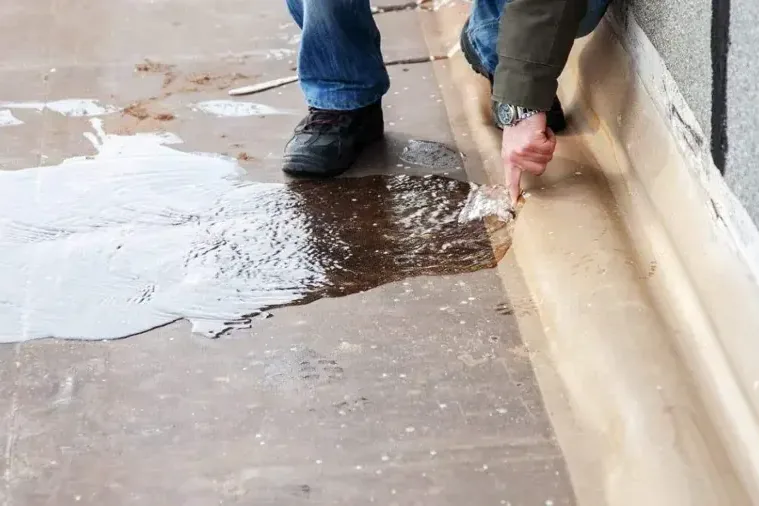
How the slab leak water damage team works
Rapid local response
The response team handles urgent water losses through 24/7 dispatch. The initial discussion identifies active water, unsafe rooms, affected materials and access so the assessment begins with the right priorities.
IICRC S500 drying standard
The drying crew sets material-specific goals using the IICRC S500 standard. Extraction, humidity control and repeated meter readings work together to address moisture beyond a floor that merely looks dry.
Claim-ready documentation
The mitigation team records the source description, room measurements and visible damage before removal. Dated photographs and daily moisture records keep the drying work understandable for the owner and the adjuster.
Local water experts
The restoration assessment distinguishes indoor supply failures from rainwater entry. Technicians inspect the actual wall and floor assembly, explain access needs and keep occupied areas separate from equipment and wet materials.
First steps for slab leak water damage in Monrovia
- Restrict the changed flooring. Raised seams and open repair areas can catch a foot. Keep household traffic outside the affected section until its condition is assessed.
- Locate the active source. A plumbing specialist should evaluate the suspected concealed release. Record which supply has been isolated and whether new moisture continues to appear.
- Preserve the visible pattern. Photograph staining, lifted edges and damp trim before access work begins, keeping the camera position safely outside exposed flooring and equipment paths.
- Identify connected rooms. Describe adjoining doorways and changes in floor material. A damp seam can continue beneath a wall or into a neighboring interior space.
What does slab leak water damage cost in Monrovia, CA?
Monrovia slab leak cleanup depends on access through the finish, moisture beneath adjoining layers and the drying needs of the concrete. Plumbing repairs and replacement flooring should be separated from mitigation so the estimate explains each part of the affected assembly.
Accessible floor edge
- Exposed seam inspection
- Small substrate area
- Edge moisture readings
Several wet layers
- Layer access work
- Adjoining trim checks
- Targeted floor drying
Wider slab moisture
- Broader floor assessment
- Expanded equipment arrangement
- Substrate condition documentation
Documentation for your insurance claim
The restoration team records a moisture map, daily psychrometric logs, timestamped pre-demolition photos, water category and material class. A line-item scope explains the equipment and removal work. Sudden accidental leaks, long-running damage, sewer backups and outdoor floods have different policy terms. The homeowner checks coverage with the insurer. The water damage cost calculator offers a planning range; category, square footage, material class and drying delay shape the actual scope.
The slab leak water damage process
Compare the floor pattern
The assessment relates the plumber's findings to changed seams, damp trim and substrate readings. That comparison establishes the initial drying boundary beyond the repair point.
Expose retained materials
Damaged coverings are evaluated for removal. Access decisions consider the finish construction, the affected footprint and the need to reach concrete beneath adjoining layers.
Adjust evaporation conditions
The drying setup manages air movement and room humidity. Follow-up checks show whether the exposed substrate is improving or whether another concealed edge needs access.
Assess readiness for installation
Final observations identify the condition of retained materials and the work still needed. Flooring preparation and installation are coordinated with the contractor responsible for the replacement surface.
A lifted edge, darkened joint or damp wall base deserves attention before the floor is covered. Monrovia properties around Myrtle Avenue and Colorado Boulevard need an inspection of the actual foundation and finish assembly. When a plumbing investigation identifies a release beneath a slab, cleanup follows both the repair opening and the moisture that traveled beyond it.
Separate the pipe repair from the wet floor
Stopping a concealed plumbing release does not remove water already held under a covering. The repair location is one useful starting point, while moisture comparisons establish the broader affected area. A drying team records changes across accessible concrete and adjoining materials so the owner can understand why the floor scope may extend past the plumbing opening.
- Mark visible changes before coverings are disturbed.
- Keep repair debris separate from retained finish materials.
- Compare damp edges with unaffected sections of the same assembly.
Choose openings that reveal the assembly
A property near Duarte Road may have tile, wood or another finish; the assessment identifies those layers on site. Adhesive, underlayment and base trim can influence access. Selective removal should expose the wet area sufficiently for assessment while preserving sound material where practical. An opening made for a pipe repair may need a different treatment from flooring that absorbed escaped water.
Occupants need a protected route around uneven surfaces. Loose pieces, equipment hoses and exposed repair areas belong within a defined work zone. The city restoration overview explains how this work connects with other affected rooms when moisture reaches a hallway or adjoining wall.
Let the substrate determine the handoff
Concrete can retain moisture after its surface changes color. Drying progress is assessed with methods suited to the material and the proposed replacement finish. Air circulation and humidity control support evaporation, but the schedule follows readings rather than the disappearance of the initial wet patch.
The structural drying service addresses retained moisture beyond the slab opening. Before installation resumes, the owner and flooring contractor should understand the recorded condition, the areas opened and any further preparation needed. The goal is a repair sequence in which concealed wet layers receive attention before a new surface hides them again.
Slab leak water damage in Monrovia
Assessment is available around Myrtle Avenue, Duarte Road and the other city corridors. The property description should identify the affected floor finish, any plumbing access opening and the entrance that avoids loose or lifted flooring.
The same service nearby: slab leak water damage in Duarte, Arcadia, Sierra Madre.
Related water damage services in Monrovia
Slab Leak Water Damage questions in Monrovia, CA
A clearer next step
A damp joint needs a clear path from source investigation to substrate assessment. Describe the floor changes and any plumbing work already completed so the remaining wet layers can be evaluated.
(888) 578-6508Discuss the changed flooring assemblyDoes a damp seam identify the pipe location?
The visible change can appear away from the actual release. Water may spread beneath a floor covering before reaching an exposed joint. A plumbing investigation locates the source, while material readings establish where escaped water has affected the building. Both findings belong in the repair discussion.
Can the existing tile remain?
Retention depends on its condition, the bond beneath it and access to affected layers. Sound tile may still cover moisture requiring evaluation. The assessment should explain which sections can remain accessible for monitoring and which damaged sections need removal before the substrate receives effective drying.
Why measure beyond the repair opening?
The plumber's opening provides access to the failed component, but escaped water can reach nearby underlayment and trim. Comparing surrounding locations helps define that spread. Without those checks, a repaired pipe could sit beneath a finish that still conceals damp material outside the immediate work area.
Is a dark concrete patch enough to track drying?
Color can provide an observation, but it does not replace appropriate moisture assessment. Surface appearance changes with exposure and room conditions. The drying record should identify measurement locations and the method used so the condition of the retained substrate can be discussed consistently before new flooring is installed.
Can household traffic cross the drying area?
A safe path depends on the openings, equipment and floor condition. Exposed edges should remain protected, and hoses should not create an uncontrolled crossing. Occupants need a specific route approved for the work layout rather than stepping over loose finish pieces or moving equipment to make room.
What should the flooring contractor receive?
The handoff should describe the affected footprint, removed layers, drying observations and remaining substrate preparation. The replacement finish may have its own installation requirements. Sharing those details helps coordinate preparation with mitigation, especially when the original repair opening and the wider damp area require different finishing work.
Expose the cause of recurring floor moisture
The restoration team can assess access, moisture spread and the preparation needed before replacement finishes close the area.
(888) 578-6508Request a concealed floor moisture assessment