Ceiling Leak Water Damage in Azusa, CA
An overhead stain needs an explanation before it needs fresh paint. Ceiling leak restoration in Azusa checks the material's stability, investigates the space above, and follows wetting into nearby wall and ceiling junctions.
(888) 578-6508Describe what changed above the room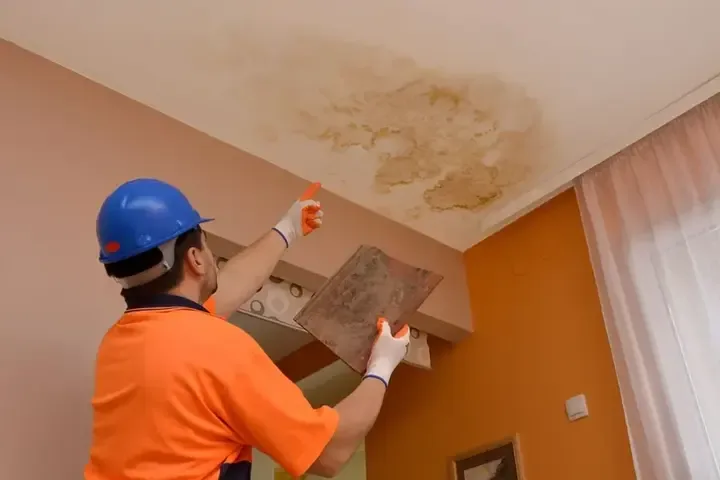
How the ceiling leak water damage team works
Rapid local response
The response team handles urgent water losses through 24/7 dispatch. The initial discussion identifies active water, unsafe rooms, affected materials and access so the assessment begins with the right priorities.
IICRC S500 drying standard
The drying crew sets material-specific goals using the IICRC S500 standard. Extraction, humidity control and repeated meter readings work together to address moisture beyond a floor that merely looks dry.
Claim-ready documentation
The mitigation team records the source description, room measurements and visible damage before removal. Dated photographs and daily moisture records keep the drying work understandable for the owner and the adjuster.
Local water experts
The restoration assessment distinguishes indoor supply failures from rainwater entry. Technicians inspect the actual wall and floor assembly, explain access needs and keep occupied areas separate from equipment and wet materials.
First steps for ceiling leak water damage in Azusa
- Vacate the overhead hazard area. A bulging ceiling or falling debris requires space beneath it to remain clear. Occupants should avoid touching wet fixtures or attempting to drain the ceiling themselves.
- Describe the upper space. Information about the room above, recent plumbing use, and rain related changes helps direct inspection toward useful access points for tracing the overhead water source.
- Photograph visible changes safely. Pictures from outside the unstable area can record the stain boundary, sagging, and nearby wall marks before necessary material removal changes the appearance of the room.
- Coordinate access permissions. Owners or managers should arrange entry to any upper unit or shared area needed for source assessment so ceiling cleanup and source repair can proceed in sequence.
What does ceiling leak water damage cost in Azusa, CA?
Ceiling leak restoration in Azusa is shaped by overhead stability, cavity access, and the wetting beyond the visible stain. Water reaching a wall junction or another room adds work. Estimates should distinguish ceiling removal, retained material drying, source repair, and decorative finish replacement.
Small ceiling section
- Localized overhead assessment
- Targeted material access
- Limited cavity drying
Ceiling and wall junction
- Connected edge inspection
- Wet finish removal
- Framing moisture checks
Broad overhead spread
- Expanded ceiling access planning
- Multiple wet assembly assessment
- Broader drying and monitoring arrangement
Documentation for your insurance claim
The restoration team records a moisture map, daily psychrometric logs, timestamped pre-demolition photos, water category and material class. A line-item scope explains the equipment and removal work. Sudden accidental leaks, long-running damage, sewer backups and outdoor floods have different policy terms. The homeowner checks coverage with the insurer. The water damage cost calculator offers a planning range; category, square footage, material class and drying delay shape the actual scope.
The ceiling leak water damage process
Evaluate the visible overhead condition
The crew identifies unstable sections and electrical concerns before establishing inspection access and the portions of the room that must remain unoccupied.
Trace moisture above and beside the stain
Source information and material readings direct attention toward the upper room, cavity, and adjoining wall edges rather than limiting the survey to discolored paint.
Expose and dry retained components
Necessary openings reveal concealed materials for inspection. The equipment arrangement then addresses the remaining wet components with readings taken at identified points during the drying period.
Document readiness for ceiling repair
The final record describes the inspected materials and remaining replacement work, helping the owner schedule the new ceiling surface after source control and moisture assessment are complete.
Ceiling water damage can announce itself as a ring, a drip, or a change in the shape of the material. Those signs call for different safety precautions, but each needs investigation above the visible surface. Occupants should keep clear of bulging areas and wet electrical fixtures while the responsible contractor evaluates access.
Begin with the room above
Sage Court and Parsons Place have existing three-story multi-family townhomes beside the Great Park project site. A ceiling mark in that setting may require coordination with an upper room or another occupied space before the source can be assessed. The property contact should identify any fixture use or recent leak noticed above the affected ceiling.
Arborview/Tamarind Lane contains existing two-story townhomes west of the project site. In a home with rooms on different levels, the floor above and the ceiling below form connected parts of the inspection. A dry walking surface upstairs does not reveal the condition of every concealed layer beneath it.
Open only after assessing the overhead condition
The mitigation team checks stability and the spread of moisture before deciding how to reach the cavity. Removing a damaged section may expose wet insulation or framing that extends past the original stain. The scope should document those findings and explain why the opening changes as the assembly becomes visible.
- Keep people and furniture out from beneath unstable material.
- Record ceiling changes before access work begins.
- Inspect nearby wall junctions for downward moisture movement.
- Identify wet electrical components for appropriate professional attention.
Set the repair boundary from the opened assembly
The City of Azusa and Azusa Public Works handle municipal service responsibilities. Within an affected building, the owner or manager coordinates source access and permission for interior work. Roof leak restoration may be relevant when rain entered above, while a plumbing release calls for its own source repair.
Structural drying addresses retained moisture after unstable or damaged material is removed. The drying record should identify the framing and other components actually checked. A repaired ceiling can then follow the condition of the assembly rather than the size of the original paint mark. Replacement and decoration should be scheduled after the necessary access, measurements, and source verification are complete.
Ceiling leak water damage in Azusa
Ceiling assessments cover Azusa properties in Great Park Neighborhood and along Alosta Avenue. Building level, access to the room above, and visible sagging help determine the inspection approach and any coordination needed with an owner, manager, or another occupant.
The same service nearby: ceiling leak water damage in Duarte, Monrovia, Baldwin Park.
Related water damage services in Azusa
Ceiling Leak Water Damage questions in Azusa, CA
A clearer next step
Give the ceiling stain a complete assessment
(888) 578-6508Describe the room above, the shape of the damaged area, and any changes in nearby walls so the inspection follows the connected assembly.Is a bulging ceiling safe to stand beneath?
The area beneath bulging or shedding ceiling material should remain clear until assessed. Added water can change the material's stability, and a wet fixture may introduce an electrical hazard. Occupants should describe the condition from a safe position instead of touching or puncturing the surface.
Can the stain identify the leak source?
A stain shows where water became visible, which may differ from the source location. Moisture can travel along framing and through penetrations before appearing below. The inspection should include the space above and nearby assembly junctions to connect the visible mark with the actual release.
What if another resident controls the room above?
The owner or property manager should coordinate access and communication with that occupant. Ceiling work alone may not reach the source or the wet floor layers above. A shared inspection plan helps establish responsibilities and keeps cleanup from proceeding around an unresolved supply or fixture problem.
Does every stained ceiling need full replacement?
Replacement depends on material condition, stability, contamination, and access needs. A limited affected section may have a different scope from a broad saturated assembly. The crew should explain the proposed boundary using observations from the actual ceiling and any concealed components revealed during inspection.
Why check the wall beneath the ceiling edge?
Water can follow the ceiling junction and descend into wall materials. A small overhead stain may therefore have a connected wet area lower down. Checking those edges helps define the drying scope and prevents a new ceiling finish from hiding moisture in adjoining components.
When is the ceiling ready for decoration?
Decoration follows source control, necessary material replacement, and assessment of the retained assembly. Moisture readings should support the decision to close exposed cavities. The repair record should also identify any remaining electrical or source work that must finish before the room returns to ordinary use.
Discuss the ceiling and upper room access
Keep occupants outside any area beneath unstable overhead material.
(888) 578-6508A clear source and moisture record supports the later ceiling repair.