Ceiling Leak Water Damage in Monrovia, CA
A ceiling that darkens or sags needs space beneath it kept clear. Monrovia ceiling leak assessment connects the upper source with the finish below, including wet junctions that may extend into adjoining walls.
(888) 578-6508Describe the changing overhead surface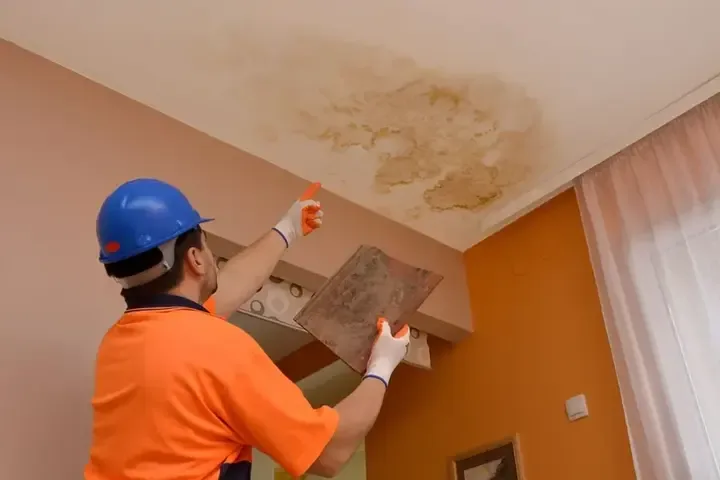
How the ceiling leak water damage team works
Rapid local response
The response team handles urgent water losses through 24/7 dispatch. The initial discussion identifies active water, unsafe rooms, affected materials and access so the assessment begins with the right priorities.
IICRC S500 drying standard
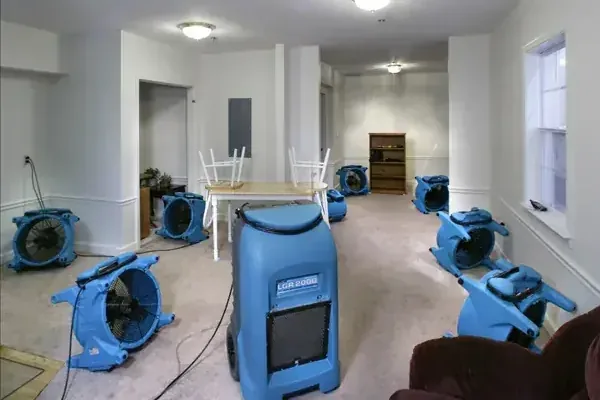
The drying crew sets material-specific goals using the IICRC S500 standard. Extraction, humidity control and repeated meter readings work together to address moisture beyond a floor that merely looks dry.
Claim-ready documentation
The mitigation team records the source description, room measurements and visible damage before removal. Dated photographs and daily moisture records keep the drying work understandable for the owner and the adjuster.
Local water experts
The restoration assessment distinguishes indoor supply failures from rainwater entry. Technicians inspect the actual wall and floor assembly, explain access needs and keep occupied areas separate from equipment and wet materials.
First steps for ceiling leak water damage in Monrovia
- Clear the area below. Keep people, pets and movable belongings away from a sagging or dripping section. Any movement should begin from a stable area outside the overhead hazard.
- Report upper room activity. Note whether the stain changes when an upstairs fixture runs or during rainfall. These observations can help the source investigation without requiring occupants to test fixtures.
- Arrange property access. A manager may need to coordinate entry to another unit or upper room. Prompt notification helps align source repair with inspection of the damaged ceiling below.
- Protect the initial record. Photographs of the ceiling and adjoining wall from a safe angle document visible changes before selective removal exposes the concealed layers inside the assembly.
What does ceiling leak water damage cost in Monrovia, CA?
Monrovia ceiling cleanup pricing depends on overhead access, finish stability and the wet materials above the visible stain. The estimate should separate source repair, removal, cavity drying and replacement finishes, explaining any extension into neighboring walls or connected overhead spaces.
Small ceiling section
- Visible damage inspection
- Localized ceiling access
- Focused cavity checks
Ceiling and wall junction
- Connected edge inspection
- Selective finish removal
- Junction drying setup
Broad overhead spread
- Expanded cavity assessment
- Larger material exposure
- Repair readiness documentation
Documentation for your insurance claim
The restoration team records a moisture map, daily psychrometric logs, timestamped pre-demolition photos, water category and material class. A line-item scope explains the equipment and removal work. Sudden accidental leaks, long-running damage, sewer backups and outdoor floods have different policy terms. The homeowner checks coverage with the insurer. The water damage cost calculator offers a planning range; category, square footage, material class and drying delay shape the actual scope.
The ceiling leak water damage process
Assess support and access
The team identifies unstable finishes, nearby electrical concerns and a safe inspection position. The room boundary is established before overhead materials are disturbed or accessed.
Connect upper and lower findings
Source repair information is compared with stains and cavity moisture. This helps distinguish the leak location from the ceiling sections that need removal or exposure.
Treat the exposed assembly
Retained framing and adjacent surfaces receive a drying setup suited to the available access. The equipment layout also accounts for safe movement through unaffected household spaces.
Assess the repair boundary
Follow-up observations establish the remaining moisture work and the area requiring new finishes. The owner receives a clear explanation before the opened ceiling is enclosed again.
The room below a leak often shows damage before the source is understood. Monrovia has both rented and owner-occupied homes, with renters forming the majority of occupied housing in the 2020 census. A tenant noticing a changing ceiling should notify management promptly, describe the room above if known and keep household activity outside the affected area.
Give the ceiling a safe inspection boundary
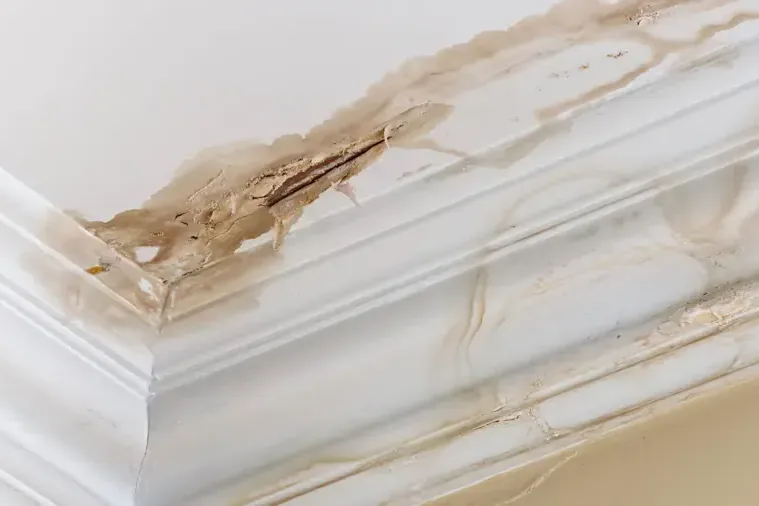
A bulge, crack or softened section can indicate a finish that is losing support. Nobody should stand underneath to probe it or reach a light fixture. Electrical assessment may be needed where moisture is near powered components. The initial visit identifies safe observation points and the access needed to investigate above the stain.
- Move routine activity away from the overhead damage.
- Report any drip near a fixture without touching it.
- Keep an upper room accessible for source inspection.
Match the upper source with the lower damage
A property near Colorado Boulevard can have a ceiling mark below a bathroom, roof space or another concealed assembly. The inspection establishes that relationship on site. The same approach applies along Myrtle Avenue and Foothill Boulevard: the room layout and source findings determine where the assessment proceeds, including any shared wall junction.
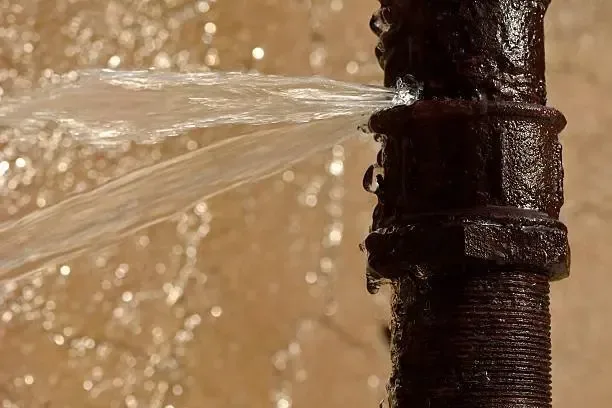
The burst pipe service addresses a failed supply when that is the source. Other cases require roof or fixture repair. Restoration access should be coordinated with that repair so a new opening reveals both the damaged ceiling material and the moisture retained above it.
Preserve access until the cavity is ready
Removing an unsound finish can expose damp framing or insulation. The team evaluates those layers and explains the areas intended for retention. A small visible stain can require a larger working opening if the moisture extends along an enclosed cavity, but the scope should connect that opening to observed conditions.
Structural moisture control then targets the retained assembly. Repeated checks track whether the ceiling edge and neighboring wall are improving. Photographs of the opened cavity help explain the repair boundary. The repair handoff should identify remaining finish work and any continuing room restrictions so occupants know when the area can return to routine use.
Ceiling leak water damage in Monrovia
Ceiling assessments include properties around Colorado Boulevard, Myrtle Avenue and Foothill Boulevard. Helpful access details include the affected room, any occupied space above it and the person authorized to arrange entry where the suspected source needs inspection.
The same service nearby: ceiling leak water damage in Duarte, Arcadia, Sierra Madre.
Related water damage services in Monrovia
Ceiling Leak Water Damage questions in Monrovia, CA
A clearer next step
Describe the ceiling changes from a safe position and identify any room above the stain. Those observations help coordinate source access with the work below, including protection of occupied areas.
(888) 578-6508Assess the stain and upper room accessShould a swollen ceiling be punctured to drain it?
Occupants should keep clear of a swollen ceiling rather than standing beneath it or disturbing the surface. The material may lose support unpredictably, and concealed electrical components may be nearby. The team needs to assess safe access and the condition of the finish before arranging controlled removal or inspection.
Can the source be in another occupied unit?
A ceiling leak can involve an upper space that requires separate access. Property management should coordinate entry and source repair while the damaged room remains restricted as needed. Clear communication about fixture locations and observed changes helps the investigation connect the upper assembly with the affected ceiling below.
Why inspect the wall beside the stain?
Water can reach a ceiling and wall junction before traveling downward behind the finish. That adjoining surface may absorb moisture outside the obvious overhead mark. Checking both parts of the assembly helps determine whether drying can remain focused overhead or must include a connected wall section.
Does every ceiling stain require demolition?
The finish condition, water contact and accessibility of concealed materials determine the scope. Some areas can be evaluated through existing access, while damaged or unsupported sections need removal. The team should explain the purpose of each opening and distinguish inspection access from later cosmetic reconstruction of the ceiling.
What observations help distinguish plumbing from rain entry?
A report of when the mark changed can be useful, such as during rainfall or after activity in an upper room. Occupants should not recreate a suspected leak for testing. The appropriate trade investigates the source, while restoration checks the moisture and damage remaining in the ceiling assembly.
When can the ceiling be patched?
Patching should follow source control and assessment of retained cavity materials. The repair contractor needs the drying observations and the planned finish boundary. Closing the opening based only on the surface appearing lighter can conceal remaining damp material, so the handoff should explain the condition found above the finish.
Plan the overhead opening with a purpose
The restoration team can assess finish stability, cavity moisture and the repair sequence before new material covers the ceiling.
(888) 578-6508Request a ceiling cavity assessment