Structural Drying and Dehumidification in Azusa, CA
A room can lose its puddles before its building materials release their moisture. Structural drying in Azusa follows measured changes in retained components so equipment and repair decisions match the actual assembly.
(888) 578-6508Discuss the materials still holding moisture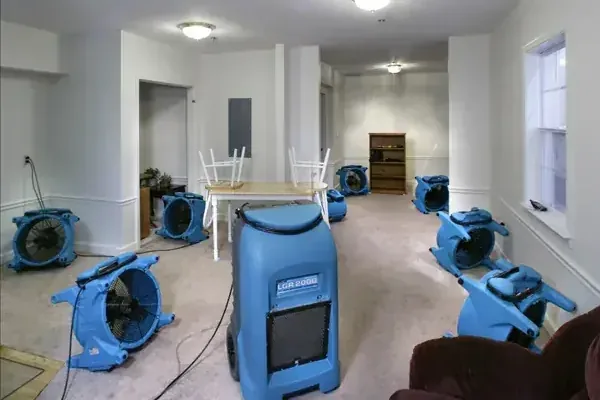
How the structural drying and dehumidification team works
Rapid local response
The response team handles urgent water losses through 24/7 dispatch. The initial discussion identifies active water, unsafe rooms, affected materials and access so the assessment begins with the right priorities.
IICRC S500 drying standard
The drying crew sets material-specific goals using the IICRC S500 standard. Extraction, humidity control and repeated meter readings work together to address moisture beyond a floor that merely looks dry.
Claim-ready documentation
The mitigation team records the source description, room measurements and visible damage before removal. Dated photographs and daily moisture records keep the drying work understandable for the owner and the adjuster.
Local water experts
The restoration assessment distinguishes indoor supply failures from rainwater entry. Technicians inspect the actual wall and floor assembly, explain access needs and keep occupied areas separate from equipment and wet materials.
First steps for structural drying and dehumidification in Azusa
- Preserve the initial moisture map. The owner should retain notes and photographs so later readings can be compared with the original affected materials and locations during drying.
- Keep the setup operating as directed. Equipment settings and placement should follow the drying plan. Occupants should report noise or access concerns to the crew before moving machines or disconnecting the arrangement.
- Report fresh water or new changes. A new stain, recurring drip, or changed floor edge can indicate another area needing attention and should be added to the material record before finish work continues.
- Leave inspection points accessible. Stored contents and replacement finishes should stay clear of the material locations being monitored so the crew can repeat observations and evaluate progress within the same affected assembly.
What does structural drying and dehumidification cost in Azusa, CA?
Structural drying costs in Azusa reflect the retained materials, equipment arrangement, access, and monitoring needed to establish progress. Dense or concealed assemblies can require more attention than exposed surfaces. The scope should explain the drying targets and how readings inform equipment changes and completion.
Limited exposed materials
- Focused equipment placement
- Accessible material readings
- Limited room monitoring
Several wet assemblies
- Connected moisture mapping
- Adjusted airflow arrangement
- Multiple material progress checks
Dense or extensive moisture
- Broader retained assembly assessment
- Expanded humidity control setup
- Detailed drying and repair handoff record
Documentation for your insurance claim
The restoration team records a moisture map, daily psychrometric logs, timestamped pre-demolition photos, water category and material class. A line-item scope explains the equipment and removal work. Sudden accidental leaks, long-running damage, sewer backups and outdoor floods have different policy terms. The homeowner checks coverage with the insurer. The water damage cost calculator offers a planning range; category, square footage, material class and drying delay shape the actual scope.
The structural drying and dehumidification process
Establish the material starting condition
The team records affected components and comparison points so later measurements can revisit the same locations and distinguish separate floor, wall, and framing assemblies.
Set equipment around the retained materials
Air movement and dehumidification are arranged to support exposed wet surfaces while maintaining safe building access. Concealed materials need an access assessment and suitable moisture observations to shape their treatment.
Assess progress and adjust the plan
Repeated readings are compared with earlier observations. Slow progress prompts assessment of source control, assembly access, and equipment placement so the plan can respond to the actual material behavior.
Document the repair handoff
Closing notes identify retained material conditions and remaining replacement needs, allowing finish installation to follow the completed moisture assessment.
Drying needs a starting record that can be compared with later observations. Without identified material locations, a room's changing air conditions say little about moisture behind a wall or beneath flooring. The drying team maps the affected assembly, selects suitable reference points, and records where equipment is intended to influence the remaining moisture.
Map connected levels separately
Sage Court and Parsons Place have existing three-story multi-family townhomes beside the Great Park project site. Arborview/Tamarind Lane has existing two-story townhomes west of that site. When a release affects multiple levels, readings should distinguish the wet floor assembly from the ceiling and walls below it rather than treating every room as a single drying area.
The room layout also shapes equipment placement and access. A unit positioned in an open hallway may not adequately address moisture behind a closed finish in another room. The plan should explain which materials are exposed, which remain concealed, and how those conditions influence the drying arrangement.
Match airflow with moisture removal
Air movers support evaporation from accessible surfaces, while dehumidification manages moisture released into the air. Their placement must account for the materials, room configuration, and electrical conditions. Equipment should be adjusted when readings show an area is not progressing as expected or when a newly opened layer changes the scope.
- Record the assembly and location for each material reading.
- Protect access routes around hoses and electrical cords.
- Investigate readings that remain high despite operation.
- Check previously concealed surfaces when access becomes available.
Close the work with a material based record
Azusa has warm, dry summers. Indoor materials can still hold moisture beneath finishes even when outdoor conditions feel favorable. The City of Azusa and Azusa Public Works provide municipal services, while the building's restoration record needs to show the condition of its own affected components.
Water extraction removes accessible pools before retained moisture becomes the focus. The town restoration overview connects drying with cleaning and later finish work. Final readings should be interpreted alongside the material type, reference condition, and source status. The handoff can then identify what is ready for repair and what still needs replacement, further access, or attention from the contractor responsible for the original release.
Structural drying and dehumidification in Azusa
Drying assessments cover Azusa homes in Rosedale Master Planned Community and buildings along San Gabriel Avenue. The affected levels, retained material types, and available monitoring access determine the equipment arrangement and the points used to track recovery in each property.
The same service nearby: structural drying and dehumidification in Duarte, Monrovia, Baldwin Park.
Related water damage services in Azusa

Structural Drying and Dehumidification questions in Azusa, CA
A clearer next step
Give retained moisture a measurable plan
(888) 578-6508Describe the materials still wet, any equipment already operating, and the access available for repeat checks so the assessment can establish useful drying targets.Why measure materials instead of just room humidity?
Room humidity describes the air, while readings inside affected components show the condition of the retained materials. Material checks help track the walls, flooring, or framing that received water. Combining those observations allows the crew to judge whether the equipment arrangement is reaching the actual drying targets.
Can drying equipment be turned off overnight?
Equipment operation should follow the plan established for the affected assembly. Interruptions can change room conditions and complicate the progress record. Occupants should discuss access, noise, or electrical concerns with the crew so adjustments can be made deliberately and documented alongside the ongoing material readings.
What does a slow drying location mean?
A location that changes slowly needs assessment of access, material thickness, source control, and equipment influence. It may need a different arrangement or closer inspection. The response should follow the recorded pattern rather than simply extending equipment operation without examining why that point remains wet.
Do upstairs and downstairs rooms need separate readings?
Connected rooms can contain different materials and moisture levels after the same release. Separate identified readings help show where water remains in the floor, ceiling, or adjoining walls. That detail supports targeted adjustments and avoids treating a dry room surface as representative of every connected layer.
Will warmer outdoor weather make equipment unnecessary?
Enclosed materials need moisture checks even during favorable outdoor weather. A wet substrate or cavity can remain damp after exposed surfaces feel dry. Equipment decisions should follow the affected assembly and measured progress, with outdoor conditions considered as part of the broader drying environment.
What should a completion record contain?
It should identify the materials checked, locations monitored, final observations, and outstanding repair needs. The record should also distinguish retained components from removed finishes. This gives the next contractor a clear account of the assembly before new coverings or wall surfaces make it inaccessible again.
Discuss the reading locations and drying setup
Mention any recurring water before the next repair stage.
(888) 578-6508The final material record supports decisions about equipment removal and finish replacement.