Water Extraction and Removal in Azusa, CA
A puddle upstairs can feed a ceiling below while another room still looks dry. Water extraction in Azusa begins by finding collection points and tracing the release beyond the first visible pool.
(888) 578-6508Describe the pooling and affected levels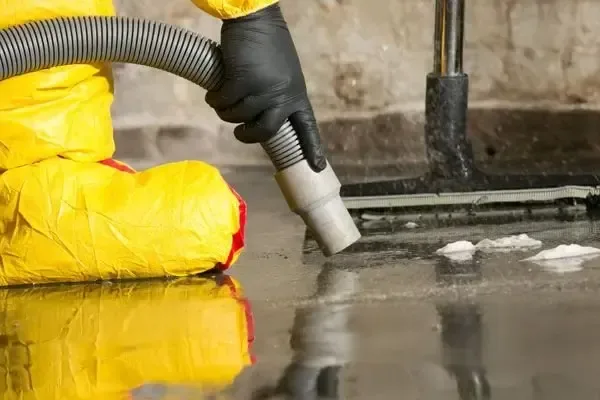
How the water extraction and removal team works
Rapid local response
The response team handles urgent water losses through 24/7 dispatch. The initial discussion identifies active water, unsafe rooms, affected materials and access so the assessment begins with the right priorities.
IICRC S500 drying standard
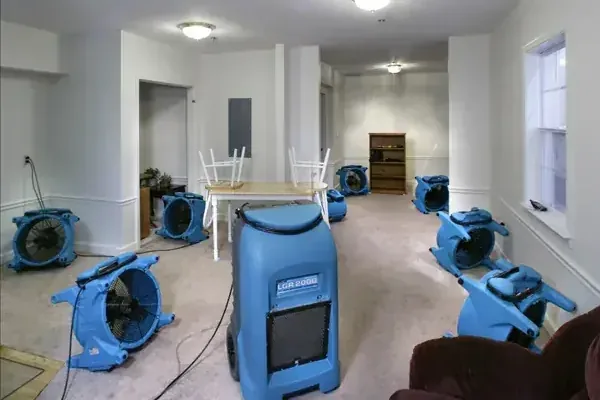
The drying crew sets material-specific goals using the IICRC S500 standard. Extraction, humidity control and repeated meter readings work together to address moisture beyond a floor that merely looks dry.
Claim-ready documentation
The mitigation team records the source description, room measurements and visible damage before removal. Dated photographs and daily moisture records keep the drying work understandable for the owner and the adjuster.
Local water experts
The restoration assessment distinguishes indoor supply failures from rainwater entry. Technicians inspect the actual wall and floor assembly, explain access needs and keep occupied areas separate from equipment and wet materials.
First steps for water extraction and removal in Azusa
- Keep a dry route. Occupants should remain outside pooled water near electrical equipment and leave access through unaffected rooms available for the initial inspection and equipment setup.
- Stop additional flow safely. A supply shutoff can limit further release when accessible from dry ground. Active electrical or overhead hazards require the area to remain unoccupied.
- Record each collection area. Photographs should show the original puddles, affected floor edges, and lower room staining before belongings move or the extraction changes the visible condition.
- Identify sensitive contents. The crew needs to know about wet furniture bases, stored documents, and items blocking floor inspection so movement and documentation can be planned together.
What does water extraction and removal cost in Azusa, CA?
Azusa extraction pricing reflects the amount of accessible water, the surfaces underneath it, and the route for equipment. Water trapped under finishes can add inspection and removal work. The estimate should identify where collection ends and longer material drying begins.
Small accessible area
- Limited pooled water collection
- Open floor access
- Initial moisture observations
Saturated room
- Broader floor extraction
- Perimeter material inspection
- Room condition documentation
Extensive water removal
- Connected area collection
- Additional equipment handling
- Expanded wet area mapping
Documentation for your insurance claim
The restoration team records a moisture map, daily psychrometric logs, timestamped pre-demolition photos, water category and material class. A line-item scope explains the equipment and removal work. Sudden accidental leaks, long-running damage, sewer backups and outdoor floods have different policy terms. The homeowner checks coverage with the insurer. The water damage cost calculator offers a planning range; category, square footage, material class and drying delay shape the actual scope.
The water extraction and removal process
Walk the water path
The assessment begins with the reported source and follows visible wetting through floor edges, doorways, and any lower rooms that show changes after the release.
Collect the standing water
Suitable extraction equipment removes accessible pools while the crew protects unaffected areas and checks that the collection method fits the surface and water condition.
Inspect the uncovered edges
With pooled water removed, closer checks can identify damp backing, substrate, and wall junctions that need access or inclusion in the drying scope.
Transfer to moisture control
The extraction record identifies remaining damp materials and supports the next equipment arrangement. Follow-up readings then track the parts of the building still holding water.
The useful boundary for extraction is the water's actual route through the property. A doorway can hold back a visible pool while water slips beneath the adjoining finish. The extraction crew checks both sides of that boundary and records which rooms need collection, closer inspection, or protected access. Moving the visible water is the beginning of the material assessment. The owner should also identify closets and storage areas adjoining the wet room so their floor edges receive attention.
Follow the release between levels
Sage Court and Parsons Place have existing three-story townhomes beside the Great Park project site. In a multi-level property, an upper floor release calls for observations below the wet room as well as beside it. Stair landings, ceiling penetrations, and wall junctions deserve attention when the reported path suggests water has reached them.
Arborview/Tamarind Lane has existing two-story townhomes west of that project site. Equipment access should account for the affected level and the dry route available through the building. A hose crossing an occupied passage needs deliberate placement so the cleanup does not create another obstacle.
Match collection to the surfaces
Accessible hard flooring may allow direct extraction, while a layered assembly can retain moisture underneath its visible face. The crew evaluates floor seams and perimeter edges before deciding whether an opening is necessary. Furniture bases and stored boxes can hide wet patches that would otherwise be missed during an initial sweep.
- Identify low collection points before distributing equipment.
- Separate clean access routes from dirty water contact areas.
- Check absorbent materials after the surface water is collected.
- Photograph openings that expose additional wet layers.
Plan for the water that extraction cannot reach
A pump cannot remove moisture absorbed inside framing or a floor substrate. Once the accessible water is collected, material drying addresses those retained pockets. Readings establish the starting condition and help select equipment positions around the affected assemblies. Rechecking the same locations makes the progress record useful for later repair decisions.
Azusa Public Works lists storm drain maintenance under its Streets Division, and the City of Azusa operates a municipal water utility. A public drainage or supply report may help address the external source, while the building assessment defines interior extraction needs. The town restoration overview connects removal with the other repair stages. Source work, cleanup, and finish replacement should each have a clearly identified place in the written scope.
Water extraction and removal in Azusa
Extraction assessments cover Azusa properties along Foothill Boulevard and Alosta Avenue as well as the Rosedale Master Planned Community. The affected floor, available entrance, and safe equipment route help organize removal for each building rather than assuming identical access conditions.
The same service nearby: water extraction and removal in Duarte, Monrovia, Baldwin Park.
Related water damage services in Azusa
Water Extraction and Removal questions in Azusa, CA
A clearer next step
Pooled water needs a clear removal route
(888) 578-6508Describe the floor surfaces, affected levels, and remaining water so the extraction assessment can account for access and concealed spread.Can extraction reach water under a floor?
Surface collection removes water that equipment can access. Moisture beneath tightly joined flooring may need a different access method or selective lifting. The assessment should distinguish the visible pool from water retained under the finish before the crew decides what can stay in place.
Should the room below also be inspected?
An upper floor release can move through openings around pipes and other penetrations. If the event suggests downward travel, the lower ceiling and adjoining walls need checks even when the first sign is small. The inspected area should follow the release rather than a single stain.
Can household towels finish the removal?
Towels can collect small accessible spills. Material checks then assess moisture held inside the floor assembly, including saturated seams, backing, and concealed edges. Larger pools also require collection methods suited to the amount of water and the electrical and structural conditions around the room.
Does every wet carpet need removal?
The decision depends on the water's condition, the carpet assembly, and how much moisture remains beneath it. The crew should inspect the backing and pad before recommending retention. Contamination and damage can change that decision even when the visible carpet face appears intact.
What should remain in the damage record?
Keep photographs showing the initial pools and affected belongings, along with the source repair record and extraction scope. Any newly discovered wet area should be added as work proceeds. A room based record helps connect the removal work with later drying and repair costs.
When does drying begin after collection?
Drying arrangements can follow as soon as safety, source control, and necessary cleaning allow access to retained wet materials. The setup depends on what the inspection finds beneath and around the extracted area. Equipment placement should reflect measured moisture rather than simply the largest visible room.
Discuss collection points and floor access
Mention any changes in the room below the release.
(888) 578-6508A room inventory helps connect the initial removal with the materials that still need drying.