Water Extraction and Removal in Monrovia, CA
Standing water hides changes in floor level and keeps soaking room edges. Monrovia extraction work begins with a safe route, source control and a clear view of where the pool continues beneath belongings.
(888) 578-6508Describe where water remains pooled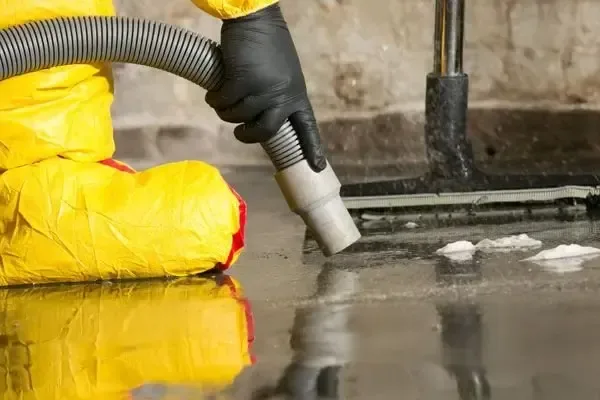
How the water extraction and removal team works
Rapid local response
The response team handles urgent water losses through 24/7 dispatch. The initial discussion identifies active water, unsafe rooms, affected materials and access so the assessment begins with the right priorities.
IICRC S500 drying standard
The drying crew sets material-specific goals using the IICRC S500 standard. Extraction, humidity control and repeated meter readings work together to address moisture beyond a floor that merely looks dry.
Claim-ready documentation
The mitigation team records the source description, room measurements and visible damage before removal. Dated photographs and daily moisture records keep the drying work understandable for the owner and the adjuster.
Local water experts
The restoration assessment distinguishes indoor supply failures from rainwater entry. Technicians inspect the actual wall and floor assembly, explain access needs and keep occupied areas separate from equipment and wet materials.
First steps for water extraction and removal in Monrovia
- Keep the approach dry. Avoid walking through the pool to collect belongings. A dry entrance gives the extraction crew a safer starting position for assessing the room.
- Explain continuing flow. Report any fixture that is still releasing water and any shutoff already used. Source control affects whether removal can make lasting progress.
- Describe hidden edges. Mention closets, furniture and adjoining rooms reached by the water. These details help identify liquid that is concealed beyond the open floor.
- Set aside the damage record. Photographs from a safe location can preserve the original water spread and affected contents before extraction changes the room's visible condition.
What does water extraction and removal cost in Monrovia, CA?
Monrovia water extraction pricing varies with the accessible pool, water condition and liquid held beneath coverings. The estimate should distinguish removal from later material drying and explain access work needed to reach water at room edges or inside connected spaces.
Small accessible area
- Open floor removal
- Accessible edge inspection
- Initial wet boundary
Saturated room
- Floor layer evaluation
- Room contents coordination
- Targeted extraction passes
Extensive water removal
- Connected space removal
- Larger hose arrangement
- Drying scope development
Documentation for your insurance claim
The restoration team records a moisture map, daily psychrometric logs, timestamped pre-demolition photos, water category and material class. A line-item scope explains the equipment and removal work. Sudden accidental leaks, long-running damage, sewer backups and outdoor floods have different policy terms. The homeowner checks coverage with the insurer. The water damage cost calculator offers a planning range; category, square footage, material class and drying delay shape the actual scope.
The water extraction and removal process
Establish the removal route
The crew evaluates the source, water condition and dry access. Equipment positioning accounts for occupied areas and the path used to carry water away.
Collect accessible liquid
Extraction equipment is selected for the surfaces and amount of pooled water. Attention moves from open flooring toward corners, transitions and other collection points.
Inspect concealed retention
Floor edges and reachable adjoining materials are checked for liquid that remains after the initial pass. Access changes are discussed when a covering blocks evaluation.
Set the drying scope
Material readings and the condition of retained finishes determine the next equipment setup. The owner receives a distinction between completed extraction and continuing structural moisture work.
A pool spreading across a room needs a defined removal route. In Monrovia, properties along Foothill Boulevard and Huntington Drive can be described by their entrances and affected interior spaces when requesting help. The extraction crew needs to know whether water is still arriving, which floor holds the pool and whether electrical equipment is in contact with it.
Start at the boundary of safe access
Furniture, rugs and loose belongings can hide both the floor and the edges of the water. The initial assessment distinguishes a workable dry approach from areas that need isolation. Water near energized equipment requires the appropriate electrical assessment before entry. A hose route should allow removal without dragging contaminated water through unaffected rooms.
- Identify a dry entrance and any locked interior door.
- Keep pets away from hoses and wet floor transitions.
- Report water reaching outlets or powered appliances.
Water condition also affects equipment use and material decisions. An indoor supply release and water returning from a drain require different cleanup handling. The crew checks the reported source and the surfaces contacted before selecting an extraction approach.
Follow the pool past the open room
A clear center does not mean the doorway edges are finished. Water can remain against trim, beneath removable floor layers or behind contents. Around Colorado Boulevard, as elsewhere in the city, the building's actual layout determines the removal sequence. Each threshold is checked for continuation into a closet, hall or neighboring room.
The Monrovia cleanup overview connects extraction with the broader restoration sequence. Where floor coverings retain liquid, the team evaluates their condition and the ability to reach underlying layers. Removal decisions should be explained before a finish is lifted, especially when an occupied household needs a usable path through the building.
Transfer from liquid removal to material drying
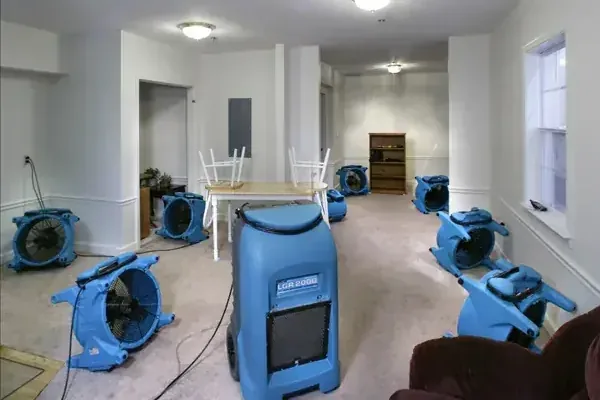
Extraction targets water that can be collected. Wallboard, wood and other porous materials may remain wet after the visible pool has disappeared. Moisture comparisons identify which retained materials require airflow, dehumidification or additional access. The resulting drying arrangement addresses those materials rather than simply leaving equipment beside the former puddle.
Photographs taken after removal can also show the newly exposed floor edges. A useful completion discussion identifies where liquid was removed, which areas remain restricted and how the next inspection will track improvement. That distinction lets the owner understand why a floor may look clear while restoration work continues within the surrounding assembly.
Water extraction and removal in Monrovia
Water removal serves residences and business interiors along Foothill Boulevard, Huntington Drive and Colorado Boulevard. A caller can describe the wet floor, nearby doorway and available entrance so the crew can assess a practical hose route through the property.
The same service nearby: water extraction and removal in Duarte, Arcadia, Sierra Madre.
Related water damage services in Monrovia

Water Extraction and Removal questions in Monrovia, CA
A clearer next step
A room covered in water needs a workable approach before equipment enters. Describe the pool, the active source and the entrance available from dry ground to focus the removal assessment.
(888) 578-6508Assess the pooled room accessIs a household vacuum suitable for standing water?
A vacuum must be designed for the material being collected and used under safe electrical conditions. Ordinary household equipment is not an appropriate substitute for an extraction assessment. Water condition, depth and access can create risks that remain even when the pool appears confined to a small room.
Does extraction include drying the walls?
Liquid removal and wall drying are different stages. Extraction clears accessible water from floors or suitable materials. Wallboard, trim and framing may still retain moisture afterward. The drying scope depends on measurements and access, and should be described separately so the owner understands what remains after pumping stops.
Should rugs be moved before the visit?
A saturated rug can be heavy and may spread water into a clean area. Movement should follow an assessment of water condition and safe handling. Photos can document the rug in place, while the cleanup team determines whether removal, protection or a separate contents treatment is appropriate.
Why check a closet that looks dry?
A closet can share flooring or a wall with the wet room. Water may pass beneath a threshold or remain against hidden trim even when the open surface appears unchanged. Comparing adjoining areas helps establish a reliable boundary and prevents the removal plan from ending at the most visible puddle.
Can water return after the first extraction?
Continued source flow or liquid draining from another part of the assembly can refill a cleared area. The crew should assess new accumulation before treating it as ordinary drying moisture. Source isolation and inspection of connected spaces help explain whether another removal pass or a different repair is needed.
What details help with equipment access?
The affected level, usable doorway, stairs and obstacles are useful details. The team also needs to know whether occupants must pass through the work area. Those conditions shape hose placement and room restrictions, helping keep the extraction operation organized around a safe route rather than an improvised crossing.
Create room for the next restoration step
The extraction crew can evaluate open water, hidden edges and the materials that will need attention after liquid removal.
(888) 578-6508Request a pooled water access assessment