Water Heater Leak Cleanup in Azusa, CA
The puddle beside a water heater can hide a wider wet edge behind the enclosure. Azusa cleanup follows the escaped water into nearby finishes while the heater's supply and energy source receive appropriate professional attention.
(888) 578-6508Describe the tank spill and nearby finishes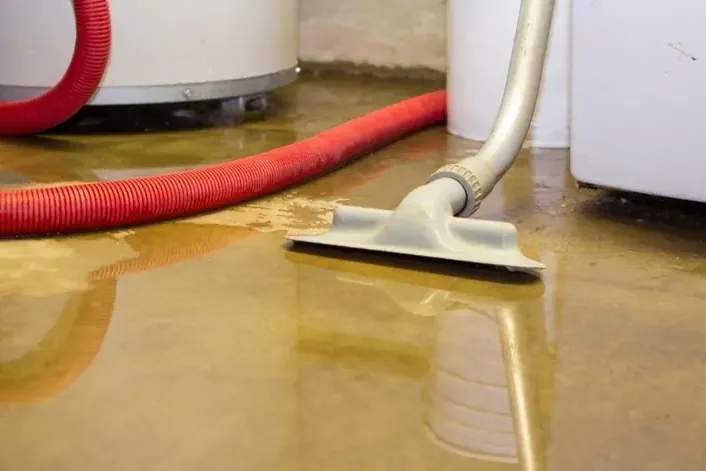
How the water heater leak cleanup team works
Rapid local response
The response team handles urgent water losses through 24/7 dispatch. The initial discussion identifies active water, unsafe rooms, affected materials and access so the assessment begins with the right priorities.
IICRC S500 drying standard
The drying crew sets material-specific goals using the IICRC S500 standard. Extraction, humidity control and repeated meter readings work together to address moisture beyond a floor that merely looks dry.
Claim-ready documentation
The mitigation team records the source description, room measurements and visible damage before removal. Dated photographs and daily moisture records keep the drying work understandable for the owner and the adjuster.
Local water experts
The restoration assessment distinguishes indoor supply failures from rainwater entry. Technicians inspect the actual wall and floor assembly, explain access needs and keep occupied areas separate from equipment and wet materials.
First steps for water heater leak cleanup in Azusa
- Avoid wet appliance controls. Occupants should not touch electrical components or unsafe heater controls near the spill. The contractor responsible for the appliance can assess suitable supply and energy isolation.
- Describe the visible spill boundary. Notes and photographs should identify the tank area, threshold, adjoining walls, and any water entering another room before collection changes the original pattern around the appliance.
- Keep service access available. Dry movable items can be cleared from the approach when safe, leaving the heater and its wet surroundings accessible for source service and material inspection.
- Record newly exposed surfaces. If the heater is moved or replaced, photographs of the previously covered floor and enclosure help the restoration team evaluate damage that was hidden during the first inspection.
What does water heater leak cleanup cost in Azusa, CA?
Azusa water heater cleanup pricing depends on how far the spill traveled and what surrounds the tank. Enclosure materials, layered flooring, and obstructed access can increase work. Heater repair or replacement should be separated from collection, material drying, and restoration of damaged finishes.
Limited tank-area spill
- Accessible spill collection
- Tank perimeter observations
- Focused surface drying
Walls and nearby flooring
- Enclosure edge assessment
- Adjacent finish access
- Connected material moisture checks
Water beyond the enclosure
- Wider room damage mapping
- Expanded floor and wall inspection
- Coordinated equipment placement and monitoring
Documentation for your insurance claim
The restoration team records a moisture map, daily psychrometric logs, timestamped pre-demolition photos, water category and material class. A line-item scope explains the equipment and removal work. Sudden accidental leaks, long-running damage, sewer backups and outdoor floods have different policy terms. The homeowner checks coverage with the insurer. The water damage cost calculator offers a planning range; category, square footage, material class and drying delay shape the actual scope.
The water heater leak cleanup process
Assess the appliance and spill setting
The crew identifies the tank's surroundings and the reported leak behavior while source service establishes how to stop water and establish suitable appliance access.
Collect water around accessible edges
Extraction focuses on visible pools and reachable floor areas, with attention to thresholds and stored items that may conceal additional water contact near the enclosure.
Inspect the adjacent assembly
Moisture observations at wall bases, flooring seams, and exposed platform materials define which retained components need drying and whether damaged layers require selective removal for access.
Coordinate the enclosure handoff
The final record distinguishes dried materials from remaining finish replacement and appliance work, allowing the owner to schedule completion without covering damp surfaces behind the heater again.
A heater leak can keep feeding the same small pool while water moves out of sight at the enclosure perimeter. The cleanup assessment checks the visible spill and the adjoining floor or wall materials before deciding how much access is needed. Stored belongings around the tank can also conceal wet contact points.
Make room for source service
The City of Azusa operates a municipally owned water utility. At the property, the contractor servicing the heater should assess the appliance, its connections, and appropriate supply and energy isolation. Occupants should stay away from wet electrical components and leave unsafe controls for professional attention.
For a property along Azusa Avenue or San Gabriel Avenue, the useful access details include the tank location, room entrance, and whether water reached an occupied space. Those observations help coordinate appliance service with the separate route needed for collection equipment and drying work.
Inspect past the enclosure threshold
A threshold may hide the point where water entered another floor layer. The crew examines seams, nearby wall bases, and any platform or enclosure material touched by the leak. Removal decisions should follow material damage and drying access instead of assuming that replacement of the tank completes the surrounding restoration.
- Photograph pooled water before moving stored items.
- Check the base of adjoining wall finishes.
- Trace wetting across the enclosure entrance.
- Document any materials exposed during heater removal.
Use replacement access to complete the moisture picture
Foothill Boulevard is part of Historic Route 66 through the city. In an affected building along that corridor, a tank replacement can reveal a previously hidden wet surface. The restoration team should record those newly accessible areas and update the drying scope before another appliance obstructs the same location.
Azusa Public Works provides municipal maintenance functions, while the building's heater contractor handles the specific appliance work. Water extraction addresses accessible pooling, and structural drying follows retained moisture around the enclosure. Equipment removal should depend on the condition of those retained materials, with damaged finishes and any remaining source service clearly identified for the owner.
Water heater leak cleanup in Azusa
Water heater spill assessments serve local properties along Alosta Avenue and within the Rosedale Master Planned Community. The actual tank setting, service access, and spread into adjoining rooms determine how collection equipment and material checks can be arranged at the building.
The same service nearby: water heater leak cleanup in Duarte, Monrovia, Baldwin Park.
Related water damage services in Azusa
Water Heater Leak Cleanup questions in Azusa, CA
A clearer next step
Check where the tank spill escaped
(888) 578-6508Describe the heater setting, surrounding finishes, and any water beyond the enclosure so the inspection includes the hidden contact edges.Does replacing the heater resolve the water damage?
Replacement addresses the appliance but leaves a separate question about the surrounding building materials. Floor edges, enclosure walls, and any underlying platform need assessment after the spill. Those components may require cleaning, drying, or repair even when the replacement heater operates normally.
Should occupants move the tank to dry underneath?
Moving or disconnecting a heater belongs with the contractor responsible for its service. The restoration team can coordinate inspection when the area becomes accessible. Occupants should describe visible water and access conditions without handling wet controls, connections, or a heavy appliance themselves.
Can water escape beyond the visible puddle?
Floor seams and wall junctions can carry moisture away from the tank area. A threshold or stored item may conceal that spread. The inspection should compare the obvious pool with adjoining material readings before the cleanup boundary is limited to the space beside the heater.
What should be checked after the old tank leaves?
The exposed floor, enclosure perimeter, and any platform can reveal wetting that was previously hidden. Photographs and moisture observations should be added to the damage record. The crew can then determine whether the drying setup needs adjustment before access is obstructed by replacement equipment.
Are belongings near the heater part of the assessment?
Items touching the wet floor or walls should be documented and evaluated separately from the building materials. Moving them safely can expose additional wet areas. The owner should keep a record of affected contents before deciding whether they can be cleaned, retained, or removed.
When can enclosure finishes be restored?
Finish repairs follow source control and evaluation of the retained enclosure materials. The drying record should show which surfaces were checked and identify any damaged layers requiring replacement. Coordinating that work with heater service helps avoid closing a damp area that later becomes difficult to access.
Discuss the enclosure and adjacent floor
Mention planned heater movement or replacement during the assessment.
(888) 578-6508That access can reveal materials needing attention before the appliance area is closed again.