Storm Flood Cleanup in Azusa, CA
Outdoor water can leave debris well beyond the deepest puddle. Storm cleanup in Azusa starts after safe access is established, then follows the entry path through floor finishes, wall edges, and affected belongings.
(888) 578-6508Describe the outdoor water entry path
How the storm flood cleanup team works
Rapid local response
The response team handles urgent water losses through 24/7 dispatch. The initial discussion identifies active water, unsafe rooms, affected materials and access so the assessment begins with the right priorities.
IICRC S500 drying standard
The drying crew sets material-specific goals using the IICRC S500 standard. Extraction, humidity control and repeated meter readings work together to address moisture beyond a floor that merely looks dry.
Claim-ready documentation
The mitigation team records the source description, room measurements and visible damage before removal. Dated photographs and daily moisture records keep the drying work understandable for the owner and the adjuster.
Local water experts
The restoration assessment distinguishes indoor supply failures from rainwater entry. Technicians inspect the actual wall and floor assembly, explain access needs and keep occupied areas separate from equipment and wet materials.
First steps for storm flood cleanup in Azusa
- Wait for permitted access. Occupants should follow current official restrictions and avoid entering a building with moving water, damaged electrical equipment, unstable surfaces, or another unresolved storm related hazard.
- Record the entry evidence. Once entry is safe, photographs should capture the opening, debris deposits, and water marks before cleanup alters the contact pattern inside the affected rooms.
- Keep contaminated items separated. Contents touched by outdoor water should stay apart from dry belongings until their cleaning or removal needs are assessed and a suitable handling route is established.
- Describe continuing outdoor conditions. The crew should know about recurring entry, blocked access, or visible drainage problems so equipment placement and cleanup staging reflect conditions outside as well as indoors.
What does storm flood cleanup cost in Azusa, CA?
Storm cleanup costs in Azusa reflect contamination, debris, wet material layers, and access conditions. A limited entry through a doorway has a different scope from broad interior flooding. The estimate should explain removal, cleaning, drying, and any separate work needed to stop recurring entry.
Limited runoff entry
- Contained outdoor water collection
- Accessible debris removal
- Localized surface treatment
Multiple wet assemblies
- Floor and wall assessment
- Exposed material cleaning
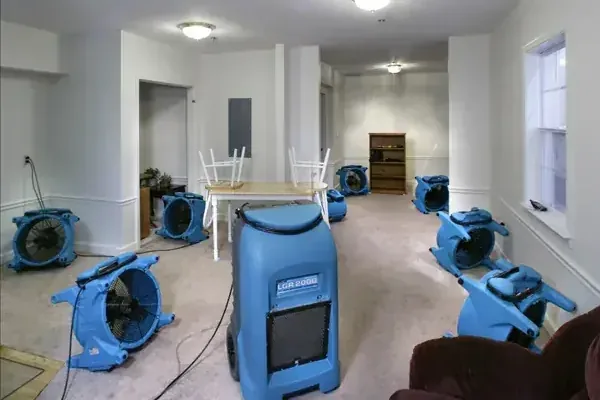
- Coordinated drying equipment
Extensive interior flooding
- Broad contamination mapping
- Complex material handling route
- Expanded cleaning and moisture monitoring
Documentation for your insurance claim
The restoration team records a moisture map, daily psychrometric logs, timestamped pre-demolition photos, water category and material class. A line-item scope explains the equipment and removal work. Sudden accidental leaks, long-running damage, sewer backups and outdoor floods have different policy terms. The homeowner checks coverage with the insurer. The water damage cost calculator offers a planning range; category, square footage, material class and drying delay shape the actual scope.
The storm flood cleanup process
Assess entry and building access
The assessment begins with the outdoor water path, safety conditions, and the route available for equipment before the crew defines the affected interior work area.
Collect water and deposited material
Removal addresses both accessible water and the debris it carried. The crew records absorbent materials that need opening or removal to expose affected underlying surfaces.
Clean surfaces that remain
Retained building components receive appropriate cleaning before drying arrangements are finalized. Corners, transitions, and concealed contact points receive attention alongside the open areas of the room.
Verify drying and repair boundaries
Measurements track remaining moisture after cleanup, while final documentation identifies removed materials and outstanding entry repairs needed to reduce further wetting during reconstruction of the affected spaces.
The water mark on a wall records only part of a storm loss. Soil can remain in floor seams, beneath furnishings, and behind trim after the visible water recedes. Cleanup needs a contact map that includes those deposits, the surfaces the water crossed, and any ongoing entry that could rewet the interior during the work.
Respect access restrictions before cleanup
February 27, 2014: mandatory evacuation orders applied to Ridge View Drive residents ahead of a storm because of possible mudslides. That local event gives storm planning a practical starting point: official access restrictions take priority over inspecting damaged rooms or retrieving contents.
Azusa stands at the entrance to San Gabriel Canyon and on the east side of the San Gabriel River. For an affected building, the assessment should identify the actual opening where outdoor water entered and whether access remains affected by debris, damaged components, or another active hazard.
Track sediment and absorbent exposure
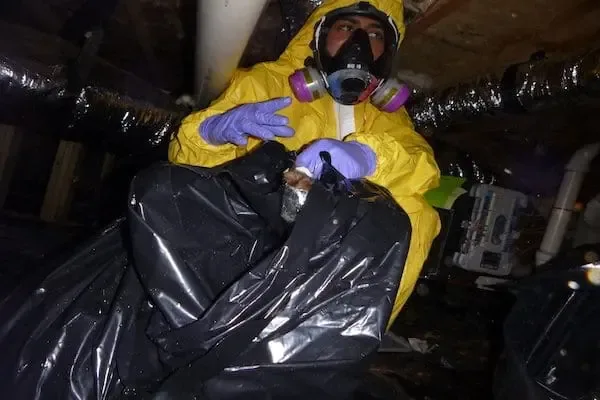
Outdoor water can carry material from every surface it crosses. The crew evaluates the affected floor covering, wall edges, and contents before choosing collection and cleaning methods. Wet absorbent layers may need removal to expose underlying surfaces and keep deposits from remaining inside the assembly.
- Record entry openings and the highest visible contact marks.
- Separate debris handling from the designated clean equipment access route.
- Inspect beneath moved furniture and removed floor coverings.
- Keep damp contents awaiting assessment outside unaffected living areas.
Address the building after the water recedes
Azusa Public Works lists storm drain maintenance under the Streets Division. Outdoor drainage concerns can be reported separately while the interior scope addresses water already in the building. National Weather Service information supports weather awareness during recovery, especially when another storm could interrupt access or source work.
The water extraction assessment identifies accessible pools, and structural drying follows after the necessary cleaning and access work. The crew checks the retained materials at defined locations instead of relying on air temperature or a dry looking floor. Rebuilding should account for the cleaned assembly, any continuing entry problem, and the condition of materials that will remain behind new finishes.
Storm flood cleanup in Azusa
Storm loss assessments cover Azusa properties around Ridge View Drive and along the Foothill Boulevard corridor when access is safe. The reported entry point, visible debris, and any current restrictions help determine how interior assessment and material removal can proceed.
The same service nearby: storm flood cleanup in Duarte, Monrovia, Baldwin Park.
Related water damage services in Azusa

Storm Flood Cleanup questions in Azusa, CA
A clearer next step
Plan cleanup around safe reentry
(888) 578-6508Describe the outdoor entry point, deposited debris, and current building access so the assessment accounts for both water and contamination.Can cleanup begin during an evacuation restriction?
Property work must wait until access is permitted and conditions allow a safe assessment. Retrieving belongings or checking a room should not override official restrictions. Once access resumes, the crew can evaluate electrical conditions, structural concerns, and the route for removing water and debris.
Why does outdoor water need different handling?
It can collect dirt and contamination along the path into the building. The cleanup scope therefore includes material exposure and cleaning needs, in addition to the amount of water present. A clear looking puddle can still require controlled handling because of its outdoor contact history.
Should dried sediment be left until rebuilding?
Deposited material needs assessment and removal as part of cleanup. Leaving it in seams or beneath finishes can conceal contamination and complicate later repair work. The crew should inspect the underlying surfaces after debris removal and before the retained assembly is closed again.
Can a room dry without removing its floor covering?
The decision depends on contamination, damage, and access to the layers underneath. Some coverings prevent cleaning or moisture assessment of the substrate. The crew should explain the reason for any removal and document the condition found beneath the finish once it is opened.
What if outdoor water returns during restoration?
A new entry can change both the cleanup boundary and the condition of materials already treated. The incident should be documented, the source situation reassessed, and affected readings updated. Equipment and cleaning plans may need adjustment before the original repair sequence can continue.
Will warm weather finish the drying?
Warm air can help exposed surfaces lose moisture while deeper layers remain wet. The drying endpoint should come from measurements of retained materials and checks for continuing entry. Concealed floor and wall components need moisture checks before the next contractor encloses the affected assembly.
Discuss storm deposits and wet materials
Include any continuing entry during later rainfall.
(888) 578-6508The work scope can then connect removal, cleaning, and measured interior drying.