Structural Drying in Baldwin Park, CA
A cleared floor may still contain a wet assembly beneath it. Baldwin Park structural drying uses material readings, exposed surfaces and controlled indoor conditions to determine what needs attention before reconstruction begins.
(888) 578-6508Discuss the materials still holding moisture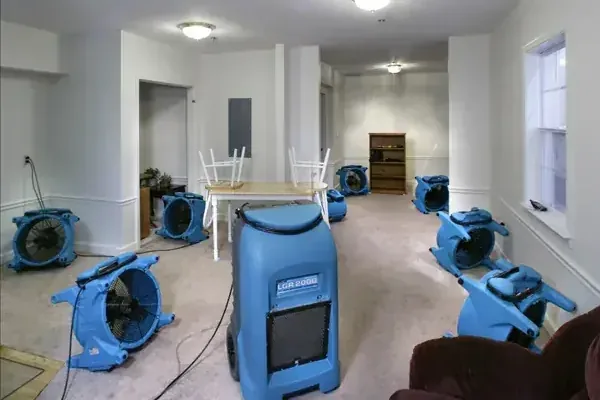
How the structural drying and dehumidification team works
Rapid local response
The response team handles urgent water losses through 24/7 dispatch. The initial discussion identifies active water, unsafe rooms, affected materials and access so the assessment begins with the right priorities.
IICRC S500 drying standard
The drying crew sets material-specific goals using the IICRC S500 standard. Extraction, humidity control and repeated meter readings work together to address moisture beyond a floor that merely looks dry.
Claim-ready documentation
The mitigation team records the source description, room measurements and visible damage before removal. Dated photographs and daily moisture records keep the drying work understandable for the owner and the adjuster.
Local water experts
The restoration assessment distinguishes indoor supply failures from rainwater entry. Technicians inspect the actual wall and floor assembly, explain access needs and keep occupied areas separate from equipment and wet materials.
First steps for structural drying and dehumidification in Baldwin Park
- Confirm the source status. Tell the drying team whether the pipe, roof or equipment defect has been repaired. Continuing entry needs coordination before a stable drying plan can be established.
- Describe the wet layers. Identify visible changes in flooring, trim and walls, including areas beyond the original spill. Earlier photographs can show the water boundary before extraction cleared the surface.
- Plan occupied room access. Explain which rooms remain in use and any passage that must stay available. Equipment placement needs to account for safe movement and access to measurement locations.
- Keep equipment settings coordinated. Avoid moving or switching equipment without discussing the drying plan. Changes to doors, airflow and equipment positions can affect conditions and the interpretation of followup readings.
What does structural drying and dehumidification cost in Baldwin Park, CA?
Structural drying in Baldwin Park ranges from $1,000 to $8,500+ across the listed scopes. Material thickness, enclosure, wet area and drying access affect equipment and monitoring needs. A clear estimate separates this phase from extraction, source repair and the replacement of removed finishes.
Limited exposed materials
- Accessible material readings
- Focused equipment placement
- Documented initial drying progress
Several wet assemblies
- Connected moisture map assessment
- Coordinated air and humidity control
- Repeat assembly condition checks
Dense or extensive moisture
- Broader concealed layer assessment
- Additional drying access evaluation
- Detailed reconstruction readiness record
Documentation for your insurance claim
The restoration team records a moisture map, daily psychrometric logs, timestamped pre-demolition photos, water category and material class. A line-item scope explains the equipment and removal work. Sudden accidental leaks, long-running damage, sewer backups and outdoor floods have different policy terms. The homeowner checks coverage with the insurer. The water damage cost calculator offers a planning range; category, square footage, material class and drying delay shape the actual scope.
The structural drying and dehumidification process
Establish the material map
The team identifies wet surfaces and concealed layers, records starting readings and selects useful dry references. This creates a basis for comparing later conditions across the affected assembly.
Set the drying arrangement
Air movement and dehumidification are positioned around exposed materials and room connections. Access restrictions and occupied routes are considered so equipment supports the moisture plan without obstructing necessary passage.
Compare readings and obstacles
Followup checks compare the same material locations where practical. Unexpected results prompt an assessment of source control, hidden layers and airflow before equipment or removal decisions are changed.
Document repair readiness
The final assessment records material condition and any finish specific checks still needed. Remaining construction tasks are identified so the owner and repair contractor can coordinate installation with an understandable drying record.
Drying is a measurement task as well as an equipment task. Air movers expose wet surfaces to moving air, while dehumidification manages moisture released into the room. The useful question is whether the affected materials are progressing toward suitable conditions, including layers that cannot be judged by touch or appearance.
Choose measurement points that explain the loss
The inspection map should include the wettest areas, the outer boundary and appropriate dry comparisons. A floor edge beside a cabinet may behave differently from exposed framing. Repeating checks at meaningful locations creates a record that shows progress and reveals a hidden layer needing additional access.
Baldwin Park contains owner occupied and rented homes. For an occupied property near Morgan Park, equipment placement must account for the rooms still in use. Around Walnut Creek Nature Park or along Ramona Boulevard, access contacts and room arrangements remain part of the setup discussion before drying equipment is placed.
Adjust access when materials stop progressing
A stable reading may indicate an active source, restricted evaporation or moisture concealed beneath another layer. The response is to reassess the assembly and explain any change in scope. Adding equipment without understanding the obstacle can leave the actual wet surface inaccessible.
- Check whether cabinets or layered flooring block the affected surface.
- Check source repair status when materials become wetter again.
- Keep the equipment arrangement connected to the moisture map.
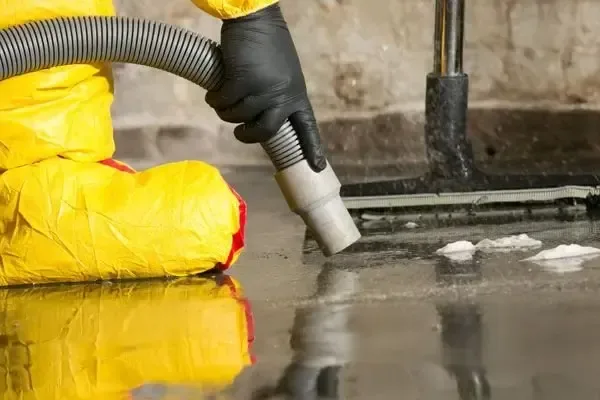
If pooled water remains, water extraction precedes effective drying of the assembly. Where contaminated material is involved, appropriate removal and cleaning also come before ordinary air movement through the affected space.
Make the finish handoff specific
Readings from concrete, wood and enclosed wall materials establish their condition before reconstruction, alongside measurements of room humidity. Different replacement materials can require different substrate conditions. The drying record should identify what was measured and any additional checks needed for the finish selected by the owner or installer.
For moisture beneath a concrete floor finish, slab damage assessment helps coordinate access and repair. The closing discussion should list remaining construction tasks and explain why equipment can be removed. That record gives the repair contractor something more useful than a statement that the room feels dry.
Structural drying and dehumidification in Baldwin Park
Structural drying assessments cover Baldwin Park homes and business rooms near Morgan Park, Walnut Creek Nature Park and Ramona Boulevard. Provide source repair information and describe occupied spaces so the equipment plan and measurement access reflect the actual building arrangement.
The same service nearby: structural drying and dehumidification in Duarte, Arcadia, Azusa.
Water damage restoration in Baldwin Park · every town covered
Related water damage services in Baldwin Park
Structural Drying and Dehumidification questions in Baldwin Park, CA
A clearer next step
The puddle is gone but materials need checking
(888) 578-6508Turn moisture readings into a repair planWhy measure a floor that feels dry?
Touch mainly describes the exposed surface. Moisture can remain in backing, concrete or a concealed layer beneath the finish. Measurements and assembly inspection help determine whether those areas need further drying or access, particularly before new flooring would cover a surface with installation requirements of its own.
Are more air movers always better?
Equipment needs to match the wet materials and the ability to remove released moisture from the air. Placement, access and dehumidification matter along with airflow. If moisture is trapped behind a barrier, the plan may need a useful opening or another adjustment instead of simply adding more fans.
What happens when readings stop improving?
The drying team should reassess the source, material layers and access. A concealed wet layer or continuing leak can prevent expected progress. The record should explain the finding and any change to equipment or removal scope so the owner understands why the original setup needs to be adjusted.
Can windows be opened during drying?
Changes to the indoor environment can affect the drying setup and readings. Window and door use should be coordinated with the team managing the equipment. A controlled plan considers the building conditions and the materials involved rather than assuming outdoor air will always improve the drying process.
Does every material use the same completion target?
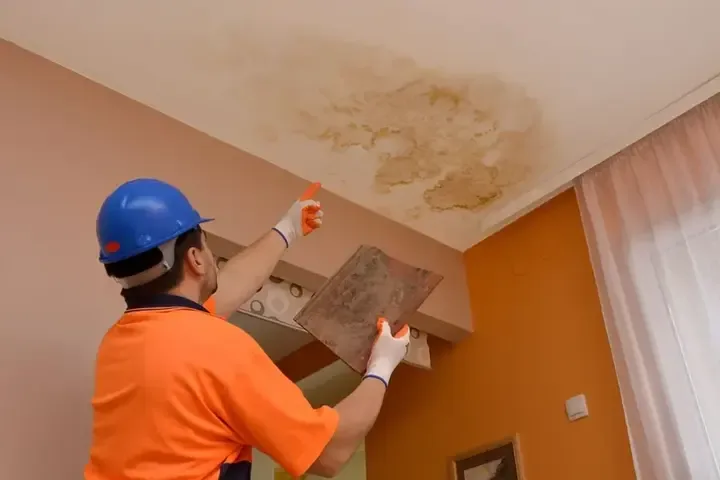
Different materials and replacement finishes require different assessment methods. A wood member, concrete substrate and ceiling assembly are not interchangeable measurement points. The closing record should identify the relevant checks and any installer requirements that remain before new material is placed over the affected area.
Can equipment leave before reconstruction begins?
Yes, when the drying assessment supports removal and the remaining tasks are clearly identified. Reconstruction may follow as a separate phase. The handoff should preserve moisture records, source repair information and any finish specific testing needs so the gap between drying and installation does not create uncertainty about readiness.
Describe the wet assembly, the source repair and any equipment already operating. A drying assessment can identify useful measurement points and the access needed before finishes conceal those materials again.
Discuss material readings and equipment placement
(888) 578-6508Keep the final drying record available for the reconstruction contractor.