Sierra Madre property owners maintain their private sewer laterals, while Sierra Madre Public Works maintains public sewer mains and related municipal collection infrastructure. A backup inside a home needs both a plumbing investigation and controlled cleanup of the affected room. Knowing which system is being examined helps organize the response and the repair record.
Key takeaways
- Keep occupants and pets out of rooms affected by sewage.
- Stop using connected fixtures while an active backup is being assessed.
- Record the plumbing diagnosis separately from the contaminated material inventory.
- Match reports about public infrastructure with the appropriate municipal contact.
- Keep stormwater out of sanitary sewer cleanouts and connections.
Protect the room before investigating the drain
Wastewater coming through a fixture or floor opening can affect nearby coverings, stored belongings and walking routes. The first task is to keep people away from the exposed area. Occupants should avoid spreading residue through the home or touching wet electrical equipment while trying to identify the blockage.
Continued fixture use can add water to a system that is already backing up. The household should pause use of connected plumbing and arrange professional assessment. The reporting account can describe which fixtures are affected and where water appeared, without attempting to open or clear contaminated equipment.
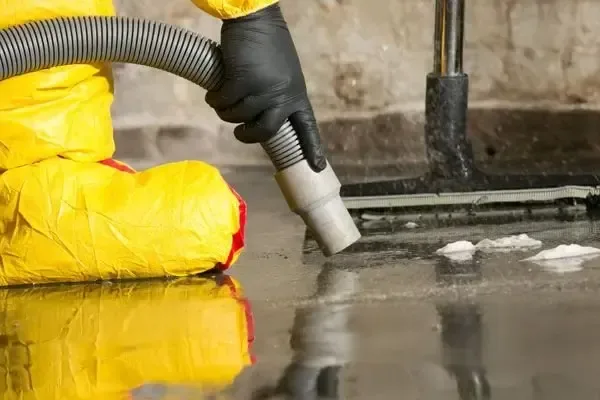
The sewage cleanup response establishes controlled access and evaluates exposed materials. A plumbing professional addresses the obstruction or damaged pipe. These tasks need coordination because the room should not be returned to normal use while wastewater can still enter it.
- Restrict entry to the affected room.
- Avoid carrying wet items through clean spaces.
- Describe the affected fixtures to the responding professional.
The private connection and public main have separate roles
The city's published sewer information assigns private lateral maintenance to property owners and public main maintenance to the municipal system. A useful service report identifies which part was inspected and the condition found there. That detail matters more than a broad statement that the sewer was blocked.
The plumbing diagnosis should describe the accessible test points, the observed restriction and any work completed. If a public infrastructure concern is identified, the municipal report can include those observations. The property contact should retain the report so subsequent work follows the inspected condition rather than an assumption about responsibility.
The public collection system carries sewage to regional treatment facilities and operates through gravity sewers. At the house, however, the immediate cleanup scope concerns the rooms and materials exposed during the backup. The utility investigation and the interior mitigation record should remain connected without collapsing into the same work description.
- Identify the inspected section of pipe.
- Keep the diagnosis and completed plumbing work in writing.
- Preserve any municipal report associated with the event.
A cleared obstruction leaves a separate contents problem
Restored drainage can stop new wastewater from entering, but it does not clean a saturated rug or the underside of a cabinet. The restoration assessment inventories exposed materials by room and use. Porous objects, hard surfaces and fixed construction may require different decisions depending on contact and condition.
Items should be photographed before they are moved or discarded when that can be done safely. Their original location helps explain how exposure occurred. Labels and a designated handling route prevent the inventory from becoming an unmarked collection of objects whose condition can no longer be traced.
The crew records a treatment or disposal decision for each affected belonging, with the material, use and exposure noted beside it. That item list helps the household understand why a hard surface and an absorbent possession need different handling. Removal of wastewater from the floor is followed by those separate contents decisions.
- List affected objects by original room.
- Separate contents from fixed building materials.
- Record disposal decisions before the items leave the site.
Contaminated water can enter concealed construction
A backup can reach beneath flooring, into a wall base or behind a fixture enclosure. The assessment follows the exposure beyond the visible pool. Accessible edges and controlled openings help determine which layers contacted wastewater and whether cleaning access is adequate for the material being considered for retention.
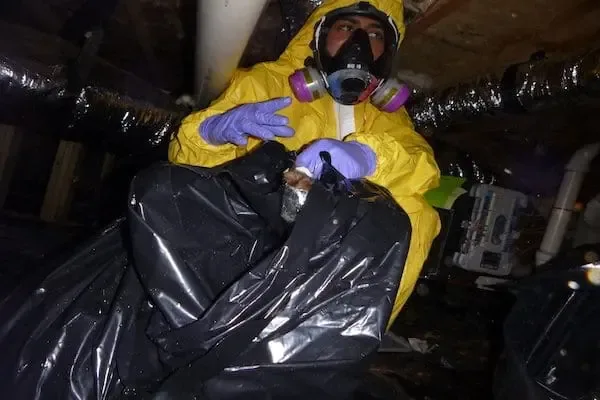
A porous component can require removal even while its surface still looks intact. The crew documents the exposure and explains the removal decision in the scope. If the opening reveals another wet layer, that layer receives its own assessment so cleanup follows the affected assembly beyond the first cut.
Controlled water removal is only one part of this work. The equipment, handling route and subsequent treatment must reflect sewage exposure. Ordinary household fans should not be used to blow across the contaminated area while assessment and cleanup decisions are still pending.
- Check beneath coverings at the affected fixtures.
- Inspect nearby wall bases and fixed cabinetry.
- Document the layers revealed during controlled removal.
Cleanouts should remain separate from storm drainage
The city directs residents to keep stormwater out of sewer cleanouts and other sanitary sewer connections. An open cleanout is not an appropriate drain for rain accumulating outside a property. Concerns about surface runoff need their own assessment rather than being redirected into the household wastewater system.
The city's guidance also places disposable wipes, including products labeled flushable, in the trash. That instruction belongs in household prevention after the immediate event has been addressed. The plumbing professional can discuss the inspected connection and explain any maintenance work appropriate to the actual condition.
A damaged cleanout or suspected root intrusion should be described in the plumbing record. Private lateral maintenance includes addressing blockages, cleanouts, roots and damaged piping. Any recommended follow-up needs to identify the component involved so the owner can distinguish routine maintenance from a repair made necessary by the inspection.
Drying begins with appropriately prepared materials
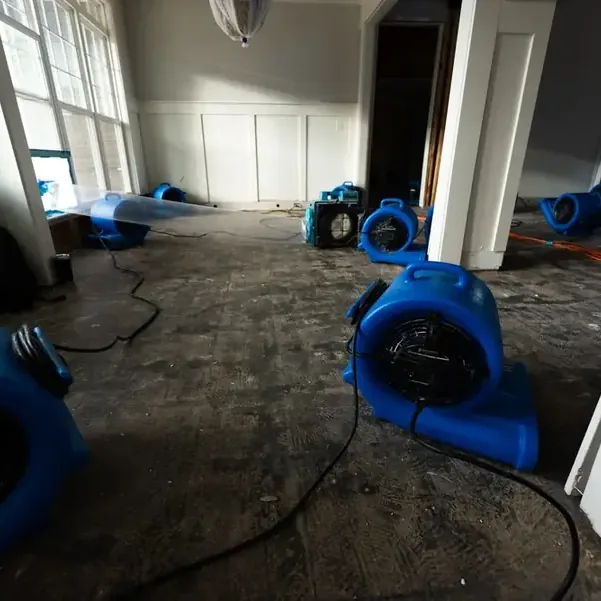
After exposure decisions, removal and cleaning, retained construction may still contain moisture. The drying plan should name those materials and their accessible surfaces. The treatment should follow the condition of the assembly rather than a general room label that obscures which components were removed and which remain.
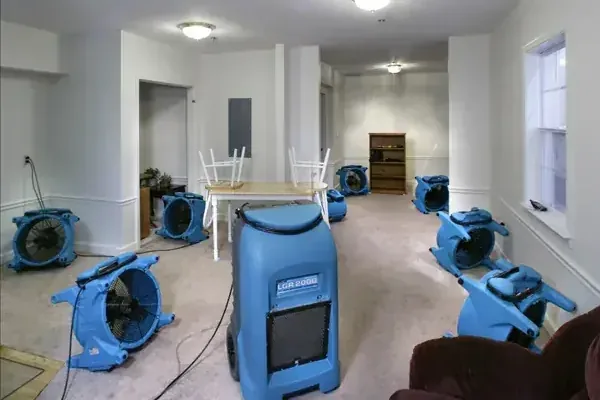
Structural drying measurements help establish progress in the retained surfaces. The crew records the same locations over successive checks and relates changes to equipment placement and room conditions. That record is distinct from the documentation of cleaning and contaminated material removal.
The team investigates damp floor edges and wall cavities before reconstruction closes access. Final readings identify the materials ready for repair, while an outstanding-work list records locations needing more attention. The owner receives the cleanup record and the finish-work handoff together, with the next contractor able to see which tasks remain.
Reoccupation and reconstruction need a practical handoff
The final room walkthrough should identify the plumbing work completed, the surfaces treated and any construction still needing replacement. Temporary access restrictions should be explained in terms of the remaining task. Occupants need to know which rooms are available and where tools, exposed materials or unfinished repairs still require separation.
The record can include the source diagnosis, photographs, contents list, removal scope and drying results. A contractor returning to close a wall then has enough information to understand what was exposed. The homeowner can also see whether any recommended private pipe work remains outside the interior restoration scope.
For a Sierra Madre home, this organized handoff connects the private lateral, public reporting and room recovery without losing their different responsibilities. The file should describe actual findings and completed work. Future maintenance can then build on a documented inspection rather than a vague memory that a drain once overflowed.
Questions
Who maintains a private sewer lateral in Sierra Madre?
The city's sewer information assigns that maintenance to the property owner. The plumbing report should identify the inspected private connection and any recommended corrective work.
Does draining water mean the room can be used again?
A functioning drain addresses flow through the plumbing. Exposed contents and construction still need assessment, appropriate cleanup and any necessary drying before the room is released.
Can rainwater be directed into an open sewer cleanout?
The city instructs residents to keep stormwater out of sanitary sewer connections. Exterior drainage concerns should be addressed through a separate drainage assessment.
What should a blockage report include?
A useful report states the section examined, the obstruction or damage observed, the work performed and any follow-up recommendation. Those specifics help organize the next repair decision.
Why might an undamaged looking floor section be removed?
Contaminated water can reach inaccessible backing beneath an intact surface. Exposure and the ability to treat the full assembly can determine removal even when the top finish has little visible distortion.