Structural Drying in Sierra Madre, CA
A room can look recovered while its wall edges or subfloor remain damp. Structural drying in Sierra Madre uses material measurements and an adjustable equipment plan to follow moisture beyond the visible surface.
(888) 578-6508Discuss readings from the wet assembly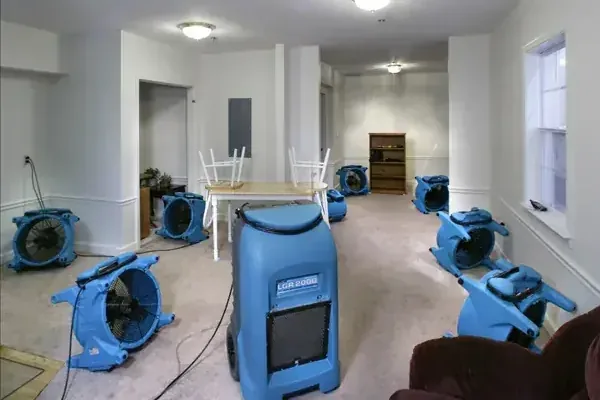
How the structural drying and dehumidification team works
Rapid local response
The response team handles urgent water losses through 24/7 dispatch. The initial discussion identifies active water, unsafe rooms, affected materials and access so the assessment begins with the right priorities.
IICRC S500 drying standard
The drying crew sets material-specific goals using the IICRC S500 standard. Extraction, humidity control and repeated meter readings work together to address moisture beyond a floor that merely looks dry.
Claim-ready documentation
The mitigation team records the source description, room measurements and visible damage before removal. Dated photographs and daily moisture records keep the drying work understandable for the owner and the adjuster.
Local water experts
The restoration assessment distinguishes indoor supply failures from rainwater entry. Technicians inspect the actual wall and floor assembly, explain access needs and keep occupied areas separate from equipment and wet materials.
First steps for structural drying and dehumidification in Sierra Madre
- Share the source status. Tell the drying team whether the leak has been repaired or only temporarily isolated. Continuing entry changes how moisture readings and equipment performance should be interpreted.
- Keep measurement areas accessible. Avoid placing furniture or stored items against marked wet surfaces. Repeat checks need access to comparable locations so the record can show meaningful material progress.
- Maintain the planned setup. Equipment position and room conditions work together. Occupants should discuss noise, access or comfort concerns with the team before switching machines off or moving them elsewhere.
- Coordinate upcoming repairs. Let the team know about planned flooring or wall replacement. The drying record can then support a practical handoff to the contractor responsible for closing the assembly.
What does structural drying and dehumidification cost in Sierra Madre, CA?
Structural drying costs in Sierra Madre depend on the materials retaining moisture, the access needed to expose them and their response during treatment. Several connected assemblies require different equipment planning from a limited open area. The scope should describe monitoring and conditions that could change the setup.
Limited exposed materials
- Initial material readings
- Focused air movement
- Room humidity management
Several wet assemblies
- Connected moisture mapping
- Layer access assessment
- Equipment adjustment checks
Dense or extensive moisture
- Broader measurement record
- Complex material treatment
- Reconstruction readiness handoff
Documentation for your insurance claim
The restoration team records a moisture map, daily psychrometric logs, timestamped pre-demolition photos, water category and material class. A line-item scope explains the equipment and removal work. Sudden accidental leaks, long-running damage, sewer backups and outdoor floods have different policy terms. The homeowner checks coverage with the insurer. The water damage cost calculator offers a planning range; category, square footage, material class and drying delay shape the actual scope.
The structural drying and dehumidification process
Establish comparable readings
The team records wet materials and selects repeatable inspection points. Comparison surfaces help interpret measurements within the building rather than treating every instrument value in isolation.
Build the drying environment
Air movers and dehumidification equipment are arranged around the exposed surfaces and occupied access routes. The setup accounts for material type, available electrical capacity and the room conditions that affect moisture removal.
Evaluate response and adjust
Repeat observations identify progressing and resistant areas. The team checks equipment placement, hidden layers and source status before adjusting the approach for a slow responding assembly.
Document the material handoff
The closing record connects final observations with the areas treated and identifies remaining repairs. Replacement work can then be coordinated around the material requirements of the planned finish and the inspected condition.
Drying is a changing process rather than a fixed collection of machines left in a room. Materials release moisture at different rates, and a concealed layer may respond slowly even when the surrounding air feels comfortable. Measurements help show whether the arrangement is reaching the affected assembly.
Define what needs to release moisture
The initial map identifies wet materials, accessible comparison areas and the points that can be checked again. Wood, drywall and concrete need different interpretation. A useful record connects each observation with a location so later readings describe actual progress rather than unrelated spots.
Pinney House on North Lima Street and Sierra Vista Apartments on Esperanza Avenue illustrate distinct building settings in town. For restoration inside any property, the actual wall or floor construction determines the access needed to inspect and dry its retained layers.
Give the assembly a workable drying path
Air movement supports evaporation at exposed surfaces, while dehumidification manages moisture entering the room air. Enclosed insulation, dense finishes and inaccessible interfaces can limit that process. The team evaluates whether selected openings or damaged material removal are needed before simply adding more equipment.
- Equipment placement should leave inspection points reachable.
- Doors and windows affect the conditions the drying setup is trying to control.
- A slow responding layer needs assessment of access, condition and source status.
The City of Sierra Madre requires Building and Safety permits for applicable structural alterations, including removal and replacement of wall or ceiling coverings. Applications pass through the Accela Citizen Portal. Opening work and reconstruction should be coordinated around those requirements.
Use progress to support the repair handoff
Repeat measurements show whether the material is moving toward the condition needed for the planned repair. A stalled reading may call for an adjustment or another look at concealed moisture. Equipment should remain arranged for the work until the team evaluates a change, rather than being moved to reduce inconvenience without discussion.
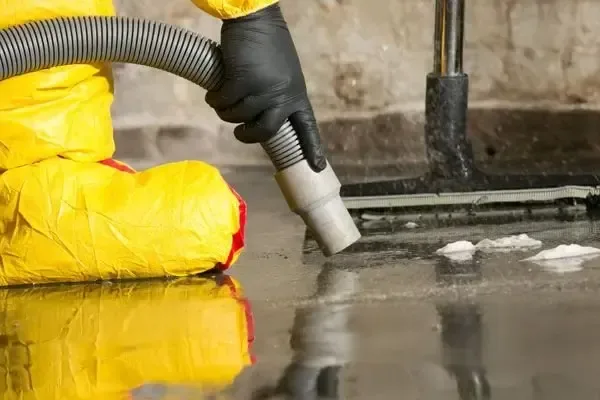
Extraction of standing water prepares the room when accumulation remains. The Sierra Madre restoration overview describes source related cleanup services that can accompany the drying scope. The final documentation should identify treated assemblies and remaining repair needs so replacement finishes follow material readiness, not merely the disappearance of a puddle.
Structural drying and dehumidification in Sierra Madre
Structural drying assessments cover Sierra Madre interiors near Pinney House, North Lima Street and Esperanza Avenue. The equipment plan follows the wet assembly, available access and occupied room needs, with measurements used to track progress through the materials actually affected by the loss.
The same service nearby: structural drying and dehumidification in Duarte, Arcadia, Monrovia.
Water damage restoration in Sierra Madre · every town covered
Related water damage services in Sierra Madre
Structural Drying and Dehumidification questions in Sierra Madre, CA
A clearer next step
Let the material readings shape the drying plan
(888) 578-6508Describe the wet surfaces, completed source repair and any rooms that remain occupied. The assessment can then establish useful measurement points and an equipment arrangement that follows moisture in the actual building layers.Why measure materials when the room feels dry?
Room comfort reflects air conditions, while moisture may remain inside wood, concrete or wall layers. Material readings help evaluate that retained moisture directly. The team considers both the environment and the assembly so equipment removal is based on progress in the building, not simply how the room feels.
Can more fans solve slow drying?
Additional air movement may help an exposed surface, but a concealed wet layer can remain difficult to reach. Slow progress needs assessment of access, material condition and continuing water entry. The team should diagnose that limitation before assuming a larger quantity of equipment is the appropriate adjustment.
Should windows stay open during equipment use?
The drying setup depends on the room conditions being managed. Opening windows can change temperature and humidity and alter equipment performance. Occupants should discuss ventilation or comfort concerns with the team so any change fits the planned environment rather than disrupting the treatment of wet materials.
Do all walls need opening to dry?
The answer depends on the assembly, contamination and how moisture can be reached. Some materials may respond with limited exposure, while enclosed or damaged layers require another approach. The proposed openings should have a clear purpose connected to inspection, removal or effective drying access.
What should a final drying record contain?
A useful record identifies the treated areas, material observations and remaining repair needs. Comparable measurement locations help explain the progress achieved. The owner should also understand the source repair status and any limitations that affect the handoff to the contractor installing replacement finishes or closing openings.
Can equipment be moved out of an occupied room?
Placement changes should be discussed with the team because airflow and moisture control depend on the arrangement. A practical adjustment may be possible, but it needs assessment of the affected surfaces and access requirements. Occupied routes and comfort can be addressed without losing the purpose of the setup.
Discuss the assembly's drying progress
Repeat observations support decisions about access, adjustments and reconstruction.
(888) 578-6508Explain which materials still need treatment