Water Extraction in Sierra Madre, CA
A puddle can hide wet underlay, swollen trim and water beneath furniture. Extraction in Sierra Madre begins by tracing that spread and choosing removal equipment suited to the surface and the route into the room.
(888) 578-6508Discuss the puddle and floor layers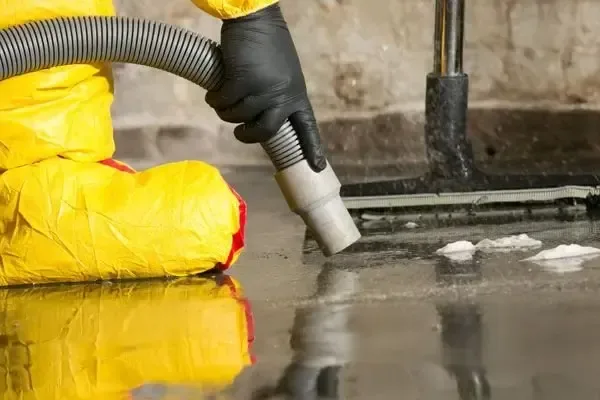
How the water extraction and removal team works
Rapid local response
The response team handles urgent water losses through 24/7 dispatch. The initial discussion identifies active water, unsafe rooms, affected materials and access so the assessment begins with the right priorities.
IICRC S500 drying standard
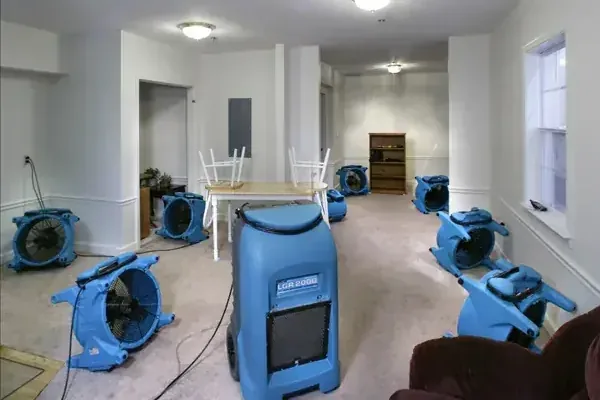
The drying crew sets material-specific goals using the IICRC S500 standard. Extraction, humidity control and repeated meter readings work together to address moisture beyond a floor that merely looks dry.
Claim-ready documentation
The mitigation team records the source description, room measurements and visible damage before removal. Dated photographs and daily moisture records keep the drying work understandable for the owner and the adjuster.
Local water experts
The restoration assessment distinguishes indoor supply failures from rainwater entry. Technicians inspect the actual wall and floor assembly, explain access needs and keep occupied areas separate from equipment and wet materials.
First steps for water extraction and removal in Sierra Madre
- Avoid the puddle. An occupant should remain on a dry route when water approaches outlets, appliances or damaged ceiling material. Electrical hazards need assessment before entering.
- Identify ongoing flow. The source may still be adding water beneath a fixture or behind a wall. Report whether the puddle continues growing after discovery.
- Protect the record. Photograph wet flooring and furnishings from an accessible spot. Those images preserve the original boundary before water removal changes the room's appearance.
- Clear safe access. Move only dry, reachable objects that obstruct the entrance. Heavy wet furniture and unstable flooring belong in the extraction crew's handling plan.
What does water extraction and removal cost in Sierra Madre, CA?
Water extraction costs in Sierra Madre vary with accessible floor area, trapped layers and the water's condition. A single open surface is simpler than several connected rooms with wet underlay. The written scope should distinguish initial removal from equipment needed for continued drying.
Small accessible area
- Open floor access
- Pooled water pickup
- Initial surface checks
Saturated room
- Layer access assessment
- Wet edge inspection
- Room moisture mapping
Extensive water removal
- Connected space assessment
- Larger removal setup
- Drying handoff notes
Documentation for your insurance claim
The restoration team records a moisture map, daily psychrometric logs, timestamped pre-demolition photos, water category and material class. A line-item scope explains the equipment and removal work. Sudden accidental leaks, long-running damage, sewer backups and outdoor floods have different policy terms. The homeowner checks coverage with the insurer. The water damage cost calculator offers a planning range; category, square footage, material class and drying delay shape the actual scope.
The water extraction and removal process
Map accumulation
The crew identifies standing water, source status and safe equipment placement. Adjoining surfaces are checked to establish a practical starting boundary for removal.
Select collection equipment
Floor texture, water depth and material condition shape the extraction method. Reachable pooled water is collected without treating every floor assembly as interchangeable.
Inspect newly exposed areas
Removing water reveals joints, thresholds and damaged edges. Findings are recorded so concealed dampness can be addressed before the space is considered ready.
Define continued drying
Remaining moisture readings determine the next equipment arrangement. The owner receives an explanation of wet materials, access limitations and further work indicated by inspection.
The moment standing water disappears, the floor becomes easier to inspect. That is a useful transition rather than the end of the work. A wet edge beneath a cabinet or an absorbent layer under a rug can keep feeding moisture into the room. Extraction starts with the visible accumulation, then follows the materials that remain wet.
Fit removal to the room's actual floor
Lower Sierra Madre Canyon includes small bungalows or cabins. Inside any particular building, the extraction crew checks the floor covering, available clearance and adjoining rooms before moving hoses through the space. The building's size or appearance does not replace an inspection of its construction.
- Loose furnishings need a dry resting place that leaves the working route open.
- Water trapped under removable coverings may require access beyond the exposed puddle.
- Damaged thresholds and swollen edges deserve photographs before handling changes their appearance.
Check the edges while the floor clears
A property near Kersting Court may have water concentrated in a front room or extending into a back corridor. Location information helps arrange access; the moisture boundary comes from checking the building. The team looks at floor joints, lower wall surfaces and connected spaces instead of stopping at a visible reflection.
Water source and material condition also affect handling. Dirty runoff or sewage requires a different cleanup boundary from an isolated supply spill. A household vacuum is unsuitable for collecting water, and wet electrical equipment needs appropriate isolation before work proceeds.
Make room for the next stage
Sierra Madre Boulevard is the city's principal road. On an appointment near that corridor, a clear entrance and an identified wet room help organize extraction equipment without repeatedly moving belongings through the loss. The work record should identify accessible water removed, materials exposed and areas that still need measurements.
The City of Sierra Madre handles local building oversight, and Sierra Madre Public Works maintains municipal drainage infrastructure. An interior assessment should distinguish a building leak from outdoor drainage concerns before the owner seeks the relevant source repair.
When pooled water is gone, drying the remaining assemblies addresses moisture held inside materials. The town restoration overview explains other cleanup paths when the inspection reveals a different source or a larger affected area. The next decision rests on the floor's condition, not simply whether it looks clear.
A clear record of removed water and exposed layers also helps the next contractor understand which surfaces still require treatment.
Water extraction and removal in Sierra Madre
Water removal is available across town, including properties near North Lima Street and Esperanza Avenue. Intake details should identify the entrance, affected floor and any room restrictions so equipment can reach the water without unnecessary movement through dry areas.
The same service nearby: water extraction and removal in Duarte, Arcadia, Monrovia.
Water damage restoration in Sierra Madre · every town covered
Related water damage services in Sierra Madre

Water Extraction and Removal questions in Sierra Madre, CA
A clearer next step
A clear floor starts with a clear removal plan
(888) 578-6508Describe the water depth, floor covering and route into the affected room. Those details help focus the extraction assessment on the surfaces that need immediate attention and the layers that may need access afterward.Is extraction enough when the floor looks clear?
Water removal leaves the surface easier to assess, but moisture can remain in underlay, wall edges or flooring joints. The team checks those reachable materials after collection. A drying plan follows when readings or exposed conditions show that the assembly is still holding water.
Can furniture stay in the wet room?
Some pieces can be protected and repositioned, while others obstruct the extraction path or have already absorbed water. The assessment considers their weight, materials and condition. Photographing the original placement helps document contact before furnishings are moved or separated from wet flooring.
Should a homeowner lift the carpet first?
Pulling up saturated carpet can expose sharp edges, damage attached materials or spread dirty water. The extraction crew evaluates the source and floor assembly before deciding on access. An owner can preserve photographs and leave wet layers undisturbed until safe handling is established.
Why inspect the room beside the puddle?
Water can move through a doorway or beneath a finish without leaving an obvious surface pool. Checking a neighboring room helps locate that spread while access is available. The findings determine whether the removal area should expand or stay concentrated around the original wet floor.
What changes the equipment choice?
Accessible water depth, surface texture and the room's layout affect the collection method. Clearance beneath fixtures can also limit a tool's reach. The team chooses equipment around those conditions, then reviews the exposed surface for moisture that requires a separate drying step.
What should be reported before the visit?
Useful details include whether water is still entering, which room first became wet and whether outlets or appliances are affected. Access restrictions and occupied rooms also matter. A concise account of those conditions helps organize the assessment without guessing the floor construction from its appearance.
Discuss room access for extraction
Moisture beneath the finish remains part of the inspection.
(888) 578-6508Share where the puddle began