Roof Leak Water Damage in Monrovia, CA
A drip can begin well away from the roof opening. Monrovia roof leak cleanup follows rainwater along the attic assembly, checks insulation contact and connects the overhead path with the room damage below.
(888) 578-6508Discuss the attic to room water path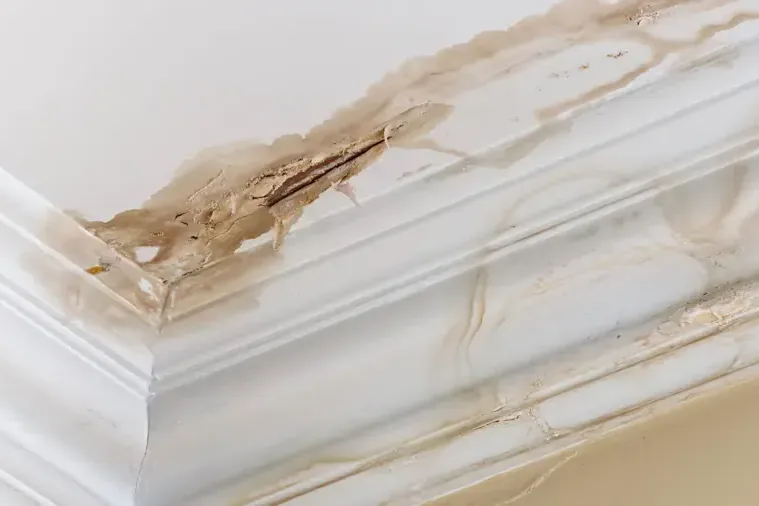
How the roof leak water damage team works
Rapid local response
The response team handles urgent water losses through 24/7 dispatch. The initial discussion identifies active water, unsafe rooms, affected materials and access so the assessment begins with the right priorities.
IICRC S500 drying standard
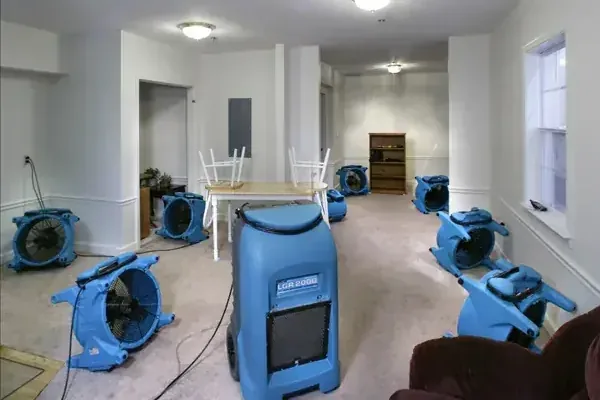
The drying crew sets material-specific goals using the IICRC S500 standard. Extraction, humidity control and repeated meter readings work together to address moisture beyond a floor that merely looks dry.
Claim-ready documentation
The mitigation team records the source description, room measurements and visible damage before removal. Dated photographs and daily moisture records keep the drying work understandable for the owner and the adjuster.
Local water experts
The restoration assessment distinguishes indoor supply failures from rainwater entry. Technicians inspect the actual wall and floor assembly, explain access needs and keep occupied areas separate from equipment and wet materials.
First steps for roof leak water damage in Monrovia
- Keep clear beneath swelling. A softened ceiling may lose support. Occupants should avoid the space directly below it and should not puncture the surface to release trapped water.
- Record rainfall related changes. Describe when dripping starts and which interior marks grow darker. Photographs from a stable dry position help preserve the pattern for the inspection.
- Coordinate roof protection. The owner should arrange an appropriate roof assessment and explain any temporary work already completed so the interior team understands the current entry status.
- Identify safe interior access. An attic hatch location, upper room doorway and protected equipment route help the team evaluate how to inspect affected materials without crossing an unstable surface.
What does roof leak water damage cost in Monrovia, CA?
Monrovia roof leak cleanup is priced around attic access, insulation contact and the interior surfaces reached by rainwater. Roof repair should appear separately from material removal and drying, with any ceiling replacement identified as reconstruction after the retained assembly is assessed.
Localized ceiling area
- Interior stain assessment
- Limited material access
- Focused drying arrangement
Attic and ceiling loss
- Insulation contact assessment
- Overhead framing exposure
- Attic moisture comparisons
Several interior spaces
- Multiple drip tracing
- Expanded finish removal
- Connected room drying
Documentation for your insurance claim
The restoration team records a moisture map, daily psychrometric logs, timestamped pre-demolition photos, water category and material class. A line-item scope explains the equipment and removal work. Sudden accidental leaks, long-running damage, sewer backups and outdoor floods have different policy terms. The homeowner checks coverage with the insurer. The water damage cost calculator offers a planning range; category, square footage, material class and drying delay shape the actual scope.
The roof leak water damage process
Relate rain to interior marks
The assessment considers the reported rainfall pattern, visible damage and repair status. Those observations help identify the attic sections and room edges that need inspection.
Evaluate overhead material contact
Safe access reveals insulation, framing and the underside of roof materials where reachable. Removal decisions account for retained water and the need to expose affected surfaces.
Control interior drying conditions
The drying arrangement addresses the exposed components and rooms below. Moisture checks track progress while new rainfall observations help identify any unresolved entry or renewed wetting.
Prepare the ceiling repair handoff
The owner receives an account of the inspected materials, drying observations and remaining finish work. Roof repair status is kept distinct from the interior reconstruction decisions.
Roof water can follow a rafter before reaching insulation or ceiling board. Monrovia's position in the San Gabriel Mountains foothills makes rain readiness part of the local setting. When a roof leak occurs, the interior investigation follows the actual drip path rather than assuming that the stain sits directly beneath the opening.
Begin with observations from the room
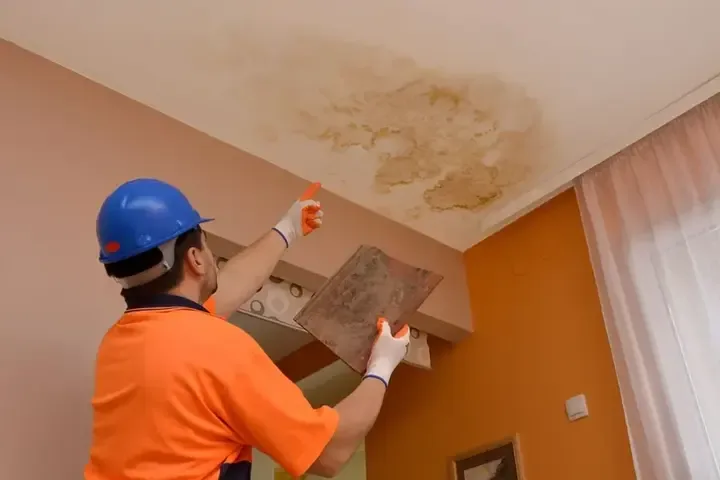
A changing ceiling mark, damp wall junction or drip near a fixture helps identify where interior inspection should start. Occupants should stay clear of bulging surfaces and avoid entering an attic with uncertain footing or electrical conditions. Roof access and temporary protection belong with the appropriate repair trade working under safe conditions.
- Record which marks change during rainfall.
- Identify any attic access hatch outside the affected room.
- Keep furniture away from the area below a softened ceiling.
Find the retained water above the finish
In a home near Myrtle Avenue, the inspection may reveal wet insulation above a relatively small visible stain. At a property along Huntington Drive, water may instead follow framing toward a wall edge. These are inspection possibilities, and the scope is written from the conditions actually found within the building.
Insulation condition, roof decking exposure and ceiling access determine how the drying work proceeds. Ceiling damage assessment addresses the surface below, while the roof loss investigation also considers the materials above it. Wet insulation should be evaluated before it is left pressed against components intended to dry.
Coordinate a weatherproof repair and a dry interior
The roofer's work controls rain entry through the affected exterior assembly. Interior mitigation addresses the moisture already absorbed by the assembly. A property around Colorado Boulevard needs both tasks coordinated so repeated rain does not add water to an area being dried. Observations of new drips should be reported promptly during the work.
The structural drying plan may include exposed framing and room surfaces beneath the leak. Readings should identify the materials assessed and the changes observed over time. Before the ceiling is rebuilt, the owner needs a clear distinction between the roof repair, retained material condition and the finish replacement still to come.
Roof leak water damage in Monrovia
Roof leak assessments extend to homes around Myrtle Avenue, Huntington Drive and Colorado Boulevard. The caller can describe ceiling changes, an available attic hatch and any roof protection already arranged, helping connect exterior repair activity with interior inspection access.
The same service nearby: roof leak water damage in Duarte, Arcadia, Sierra Madre.
Related water damage services in Monrovia

Roof Leak Water Damage questions in Monrovia, CA
A clearer next step
Describe the drip location, rainfall pattern and roof work. The overhead assessment can connect that information with wet attic materials and damage visible in the room.
(888) 578-6508Assess the roof to ceiling damage pathWhy is the ceiling stain away from the roof defect?
Water can travel across roofing components or along framing before dropping onto the ceiling assembly. The visible mark shows an exit point into the room rather than the entire route. Inspection should connect that mark with wet materials above it and the roof repair findings from the appropriate trade.
Can wet insulation remain above the ceiling?
Its condition and the ability to dry surrounding materials need assessment. Insulation that holds water against framing can interfere with the recovery of retained components. The scope should explain which sections require removal or replacement and how the exposed assembly will be checked before the ceiling is closed.
Should someone enter the attic to place a bucket?
Attic footing, electrical equipment and wet ceiling materials can create hazards. Occupants should not enter uncertain conditions or step on ceiling board. Observations from a safe room position are useful, while the team determines appropriate access and the roof professional addresses the entry under suitable working conditions.
Is repainting enough after the drip stops?
Insulation and concealed wood need evaluation after visible dripping stops. Those materials may remain damp through a dry period, especially where a covering limits exposure. An assessment should address the assembly before cosmetic repair, with damaged ceiling finishes removed or replaced after retained materials have been evaluated.
How do the roofer and drying team coordinate?
The roofer identifies and repairs the exterior entry, while the drying team documents affected interior materials. Sharing the entry location and any continuing drip observations helps connect the work. The owner should receive separate explanations of roof repair, mitigation and interior reconstruction so responsibilities remain clear.
What if another storm arrives during drying?
The property needs suitable protection at the entry point, with the roof repair status communicated to the restoration team. New stains or drips should be reported for reassessment. Equipment settings alone cannot compensate for continued water entry, so progress is evaluated against both material readings and current weather exposure.
Bring the hidden overhead layers into view
The drying team can assess insulation contact and the retained materials that need attention before ceiling repairs begin.
(888) 578-6508Request an attic moisture path assessment