Structural Drying and Dehumidification in Monrovia, CA
A clear floor can still cover a damp assembly. Monrovia structural drying measures retained materials, exposes blocked moisture paths and adjusts indoor conditions until the next repair step can be assessed.
(888) 578-6508Discuss the materials that remain damp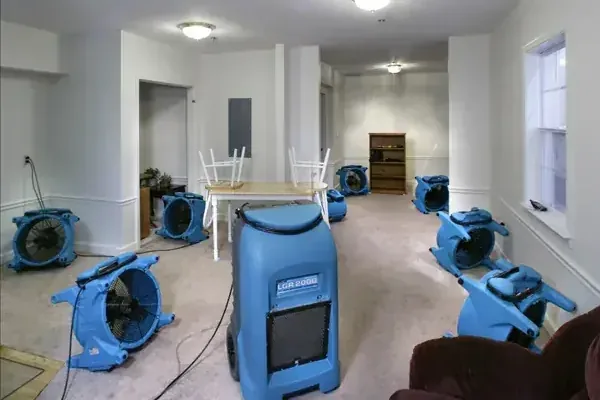
How the structural drying and dehumidification team works
Rapid local response
The response team handles urgent water losses through 24/7 dispatch. The initial discussion identifies active water, unsafe rooms, affected materials and access so the assessment begins with the right priorities.
IICRC S500 drying standard
The drying crew sets material-specific goals using the IICRC S500 standard. Extraction, humidity control and repeated meter readings work together to address moisture beyond a floor that merely looks dry.
Claim-ready documentation
The mitigation team records the source description, room measurements and visible damage before removal. Dated photographs and daily moisture records keep the drying work understandable for the owner and the adjuster.
Local water experts
The restoration assessment distinguishes indoor supply failures from rainwater entry. Technicians inspect the actual wall and floor assembly, explain access needs and keep occupied areas separate from equipment and wet materials.
First steps for structural drying and dehumidification in Monrovia
- Confirm the source status. Report the repair already completed and any new water observed afterward. A continuing release needs attention before equipment can produce reliable progress in the affected materials.
- Describe removed and retained layers. The team should know which finishes were lifted during initial cleanup. Existing openings can provide useful access to components that still need measurement and drying.
- Plan equipment around occupancy. Explain essential doorways and rooms that must remain accessible. The drying arrangement can then be reviewed for protected movement, power use and uninterrupted operation within the work zone.
- Preserve the measurement access. Avoid covering exposed areas or moving equipment without coordination. Follow-up checks need access to the same materials so changes can be compared consistently over the drying period.
What does structural drying and dehumidification cost in Monrovia, CA?
Monrovia structural drying cost is influenced by material density, exposure and the number of assemblies needing controlled conditions. The estimate should explain equipment, monitoring and access work, while distinguishing replacement finishes and any renewed source repair from the retained material drying scope.
Limited exposed materials
- Accessible moisture comparisons
- Focused airflow setup
- Room humidity control
Several wet assemblies
- Multiple material checks
- Revised exposure planning
- Broader equipment placement
Dense or extensive moisture
- Complex layer assessment
- Extended progress evaluation
- Detailed repair handoff
Documentation for your insurance claim
The restoration team records a moisture map, daily psychrometric logs, timestamped pre-demolition photos, water category and material class. A line-item scope explains the equipment and removal work. Sudden accidental leaks, long-running damage, sewer backups and outdoor floods have different policy terms. The homeowner checks coverage with the insurer. The water damage cost calculator offers a planning range; category, square footage, material class and drying delay shape the actual scope.
The structural drying and dehumidification process
Establish material reference points
The team identifies affected retained components and appropriate comparison locations. Initial readings and visible conditions create a record that can be revisited as the assembly changes during drying.
Arrange exposure and equipment
Air movement and dehumidification are matched to the reachable materials. Access changes are discussed where an enclosure or covering prevents the setup from reaching the damp layer effectively.
Compare the drying response
Follow-up checks compare material readings alongside indoor conditions and equipment operation. A section that stops improving prompts a closer look at exposure, airflow or possible continued water entry.
Explain the reconstruction starting point
The final record describes retained layers and conditions at the measurement locations. The owner and repair contractor can then coordinate remaining preparation before new finishes cover the work area.
Drying a room means evaluating more than the air within it. Monrovia saw increased construction in the years following World War I and a record number of building permits in 1923. A property near Myrtle Avenue can therefore enter the assessment with questions about its actual current layers, alterations and accessible retained materials.
Identify what is intended to remain
The drying scope begins with the components that can be retained after source repair and any necessary cleanup. Wallboard, framing, concrete and wood flooring respond differently to exposure. The team identifies affected materials and comparison locations so later readings relate to the same parts of the structure rather than an unrelated dry surface.
- Record the material and location of each comparison.
- Identify coverings that restrict access to damp layers.
- Separate damaged replacement items from retained components.
Make airflow reach the wet assembly
A dehumidifier changes room conditions, while directed air movement helps moisture leave exposed surfaces. An enclosed pocket can remain poorly reached even with equipment operating nearby. At a building along Colorado Boulevard or Foothill Boulevard, inspection of the actual finish arrangement determines whether trim removal, a selective opening or another access change is needed.
Extraction should address accessible liquid before the setup is expected to manage retained moisture. Cleaning also precedes drying airflow where contamination requires it. Equipment placement respects power conditions and maintains a protected path for occupants instead of relying on household traffic to work around cords and hoses.
Use progress to decide the next adjustment
Repeated material checks help distinguish steady improvement from a section that remains unchanged. The response may involve a revised airflow path, more exposure or investigation of renewed water entry. Turning equipment off because the room feels comfortable can interrupt that evaluation and make the remaining material condition harder to interpret.
The Monrovia service hub connects drying with the original source and later repairs. Before reconstruction, the handoff explains what was measured, which layers remained and what preparation still belongs to the finish contractor. A drying record should make the transition understandable, particularly when dense materials recover differently from the lightweight surfaces around them.
Structural drying and dehumidification in Monrovia
Drying assessments serve properties around Myrtle Avenue, Colorado Boulevard and Foothill Boulevard. Useful details include the original water source, materials already removed and any rooms that must remain occupied while equipment and measurement access are arranged inside the building.
The same service nearby: structural drying and dehumidification in Duarte, Arcadia, Sierra Madre.
Related water damage services in Monrovia
Structural Drying and Dehumidification questions in Monrovia, CA
A clearer next step
Describe what remains damp after the water was removed and which layers are already exposed. That information helps focus the assessment on the materials that will stay in the building.
(888) 578-6508Assess the remaining material moistureWhy is equipment needed after the floor looks clear?
Liquid removal changes the visible room, but porous and layered materials can still hold moisture. Drying equipment manages the conditions around those retained components. The assessment should identify which materials remain wet and how readings will show their response, making the purpose of continued operation clear to the owner.
Are air movers and dehumidifiers interchangeable?
They perform different functions within a drying arrangement. Air movement supports evaporation at reachable surfaces, while dehumidification removes moisture from the air. The setup depends on material exposure and indoor conditions, so adding one type of equipment without evaluating the assembly may leave another part of the drying process unresolved.
Can windows stay open during the work?
Window use can change the indoor conditions that the setup is intended to control. The drying team should explain the arrangement for the property and any ventilation instructions. Occupants can report comfort or access concerns so adjustments are coordinated without unintentionally changing the environment used to evaluate material progress.
Why repeat readings at the same points?
Comparable locations help show whether a particular material is improving. A dry reading elsewhere in the room cannot describe moisture inside the originally affected section. Recording the material and location makes the progress discussion more useful and helps identify areas that need changed exposure or further investigation before repair.
Does every material dry at the same pace?
Density, thickness, exposure and the amount absorbed affect the response. A wall surface may improve while a concealed floor layer still needs attention. The plan should address those differences and explain which components control the next repair decision instead of treating the entire room as a single uniform material.
Who decides when finishes can cover the area?
The drying observations inform the handoff, while the contractor installing the new finish evaluates its preparation and installation requirements. Sharing the retained material record helps coordinate those decisions. The owner should understand any remaining work before wallboard, flooring or trim makes the assessed area difficult to reach again.
Give the repair contractor a clear starting condition
The drying team can explain measurement locations, equipment placement and the access needed to track progress before finishes return.
(888) 578-6508Request a retained material assessment