Water Heater Leak Cleanup in Sierra Madre, CA
A tank leak can disappear beneath the enclosure wall before a puddle reaches the doorway. Sierra Madre heater cleanup examines the floor around the equipment and the adjoining assemblies while the appliance problem receives separate attention.
(888) 578-6508Describe the water around the enclosure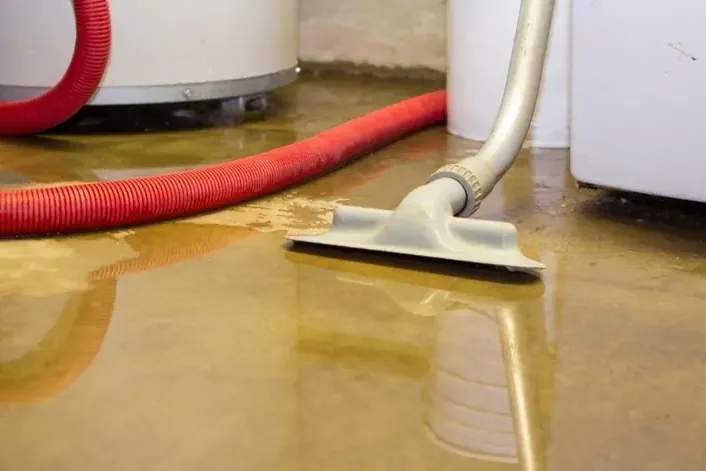
How the water heater leak cleanup team works
Rapid local response
The response team handles urgent water losses through 24/7 dispatch. The initial discussion identifies active water, unsafe rooms, affected materials and access so the assessment begins with the right priorities.
IICRC S500 drying standard
The drying crew sets material-specific goals using the IICRC S500 standard. Extraction, humidity control and repeated meter readings work together to address moisture beyond a floor that merely looks dry.
Claim-ready documentation
The mitigation team records the source description, room measurements and visible damage before removal. Dated photographs and daily moisture records keep the drying work understandable for the owner and the adjuster.
Local water experts
The restoration assessment distinguishes indoor supply failures from rainwater entry. Technicians inspect the actual wall and floor assembly, explain access needs and keep occupied areas separate from equipment and wet materials.
First steps for water heater leak cleanup in Sierra Madre
- Avoid unfamiliar controls. Hot water and energy connections can make the equipment area unsafe. An occupant should report the release and leave isolation to the appropriate repair professional when access is uncertain.
- Describe the enclosure. Tell the team whether the heater sits beside storage, behind a door or near another room. Those details help prepare access to the wet surfaces.
- Preserve surrounding evidence. Photograph the puddle, wall bases and nearby belongings from a dry position. Include the route toward any adjoining floor where water has become visible.
- Connect the repair schedule. Share the equipment contractor's planned work and access needs. Restoration can then coordinate inspection of blocked surfaces when the tank or nearby components are moved.
What does water heater leak cleanup cost in Sierra Madre, CA?
Heater leak cleanup in Sierra Madre depends on enclosure access and moisture beyond the tank area. Wet platforms, walls or neighboring flooring can increase the work. The estimate should separate restoration tasks from equipment repair and identify any inspection needed after the tank is moved.
Limited tank-area spill
- Accessible enclosure inspection
- Local water collection
- Nearby surface checks
Walls and nearby flooring
- Wall base assessment
- Floor edge exposure
- Coordinated drying access
Water beyond the enclosure
- Adjacent room mapping
- Extended material treatment
- Equipment repair handoff
Documentation for your insurance claim
The restoration team records a moisture map, daily psychrometric logs, timestamped pre-demolition photos, water category and material class. A line-item scope explains the equipment and removal work. Sudden accidental leaks, long-running damage, sewer backups and outdoor floods have different policy terms. The homeowner checks coverage with the insurer. The water damage cost calculator offers a planning range; category, square footage, material class and drying delay shape the actual scope.
The water heater leak cleanup process
Check equipment status
The assessment identifies ongoing leakage and the status of professional isolation or repair. Access restrictions around energy connections and hot water shape the initial work plan.
Inspect surrounding construction
The team examines reachable wall bases, the supporting area and adjoining floor surfaces. Findings establish whether the spill remained near the tank or entered other assemblies.
Coordinate exposure and drying
Repair access is aligned with inspection of previously blocked areas. Water affected materials receive appropriate handling, and retained layers are treated through a practical drying arrangement.
Record the completed scope
The final notes distinguish equipment work from building restoration. Moisture observations and remaining finish needs help the owner coordinate the enclosure's return to normal use after treatment.
A wet ring beside the heater can understate the damaged area. Water may collect against a wall, pass under a door frame or reach storage behind the equipment. The cleanup assessment follows those low surfaces before treating the enclosure as the complete boundary of the spill.
Make the equipment area safe to inspect
Hot water, wet electrical components and restricted clearance can complicate access. The restoration team needs to know whether the tank is still releasing water and whether a qualified repair contractor has isolated the equipment. Occupants should avoid operating controls through standing water or handling an unfamiliar energy connection.
A property near North Lima Street, Esperanza Avenue or Kersting Court may place its heater in a different room arrangement. The team inspects the actual enclosure and route into neighboring spaces rather than predicting damage from the tank's location alone.
Coordinate replacement access with drying access
The City of Sierra Madre requires permits for applicable work on regulated mechanical and plumbing systems. Separate trade permits apply as needed, with building applications submitted through the Accela Citizen Portal. Equipment work and interior restoration should be coordinated around those requirements.
- Storage beside the tank can hide wet wall edges.
- A platform or enclosed base may restrict access to pooled water.
- Replacing the equipment can create an opportunity to inspect surfaces previously blocked from view.
The scope should distinguish what must move for the repair contractor from what must open because water damaged the building. Those purposes may overlap, but each should be explained in the record before reconstruction begins.
Check beyond the visible spill
Once accessible water is collected, measurements help determine whether adjacent flooring, trim or wall material still holds moisture. A newly installed tank does not dry the surrounding assembly. The remaining materials may need exposure, air movement and humidity control before the enclosure is ready for finish work.
Floor water removal addresses the accessible accumulation when a release spreads into a room. Structural moisture drying addresses what remains inside retained materials. The repair handoff should include both the equipment status and the building condition so the owner can coordinate use of the space with the work still required.
Water heater leak cleanup in Sierra Madre
Sierra Madre heater leak assessments include properties near North Lima Street, Esperanza Avenue and Kersting Court. A useful report identifies the tank enclosure, wet adjacent rooms and the repair contractor responsible for equipment access so building cleanup can be coordinated around that work.
The same service nearby: water heater leak cleanup in Duarte, Arcadia, Monrovia.
Water damage restoration in Sierra Madre · every town covered
Related water damage services in Sierra Madre
Water Heater Leak Cleanup questions in Sierra Madre, CA
A clearer next step
Assess the room surrounding the leaking tank
(888) 578-6508Describe the enclosure, nearby storage and any wet floor beyond its doorway. Those details help coordinate water removal and material checks with the contractor handling the equipment problem and the access that repair may create.Does replacing the heater finish the cleanup?
A replacement addresses the equipment problem, while surrounding walls and floors may remain wet. Those materials need a separate assessment. Restoration measurements and inspection of surfaces exposed during replacement help determine whether drying or damaged finish removal is still needed around the newly installed tank.
Can water travel behind the enclosure wall?
Water at floor level may reach wall bases and adjacent flooring through joints or openings. The visible puddle may therefore represent only part of the loss. Checking reachable edges and the neighboring room helps establish whether the cleanup boundary needs to extend beyond the equipment space.
Should the owner move the tank for inspection?
Tank handling involves weight, water and energy connections that belong in the equipment contractor's plan. The restoration team can coordinate access once the appropriate professional handles the appliance. Moving it without that coordination can create additional damage and obscure the original water contact pattern.
What belongings need attention near the heater?
Floor level storage and absorbent items beside the equipment may contact water before a puddle reaches the doorway. The assessment should include those items and the surfaces beneath them. Photographs before handling help distinguish affected contents from dry storage that can remain outside the work area.
Do local permit requirements affect tank work?
The city publishes requirements for applicable work on regulated plumbing and mechanical systems. The specific equipment scope should be reviewed through the appropriate permit process. Interior cleanup remains a separate task, with coordination needed when equipment access also exposes wet building materials.
When can the enclosure be closed again?
Closure should follow source repair and assessment of the exposed assembly's condition. Moisture behind the tank or beneath an adjacent finish may require treatment after the equipment work ends. The restoration handoff should describe those remaining areas so enclosure repair is scheduled around actual drying progress.
Discuss the tank enclosure damage
The surrounding building needs its own drying assessment.
(888) 578-6508Explain where the heater water traveled