Crawl Space Water Removal in Arcadia, CA
Water beneath a building can remain unseen after the living space appears normal. Arcadia crawl space cleanup evaluates safe access, pooling and affected underfloor materials before selecting removal equipment and a drying arrangement.
(888) 578-6508Describe the underfloor water discovery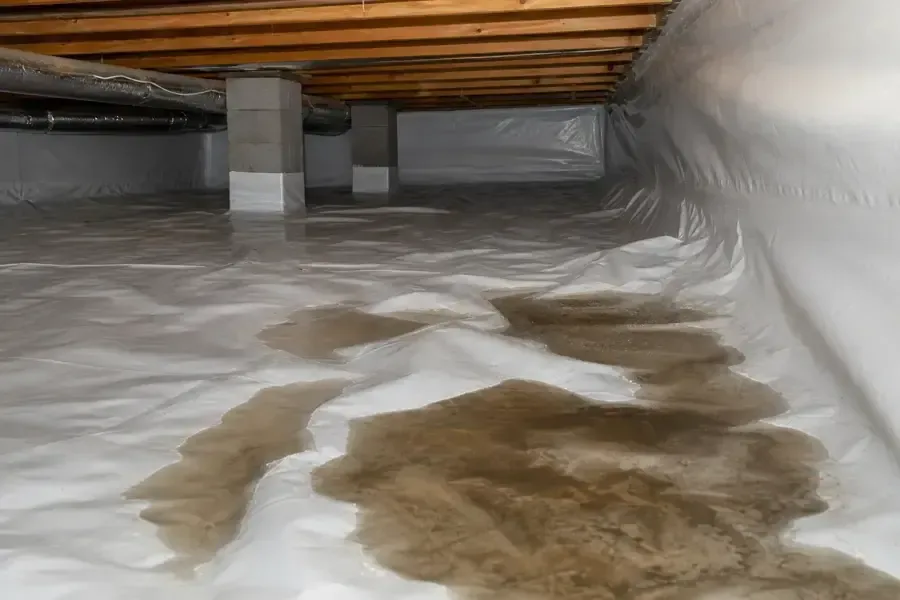
How the crawl space water removal team works
Rapid local response
The response team handles urgent water losses through 24/7 dispatch. The initial discussion identifies active water, unsafe rooms, affected materials and access so the assessment begins with the right priorities.
IICRC S500 drying standard
The drying crew sets material-specific goals using the IICRC S500 standard. Extraction, humidity control and repeated meter readings work together to address moisture beyond a floor that merely looks dry.
Claim-ready documentation
The mitigation team records the source description, room measurements and visible damage before removal. Dated photographs and daily moisture records keep the drying work understandable for the owner and the adjuster.
Local water experts
The restoration assessment distinguishes indoor supply failures from rainwater entry. Technicians inspect the actual wall and floor assembly, explain access needs and keep occupied areas separate from equipment and wet materials.
First steps for crawl space water removal in Arcadia
- Identify the opening without entering. The contact can identify the hatch and describe visible water from a safe position. Entry should wait for professional assessment of the wet space.
- Report possible continuing sources. A recent plumbing problem or observed outside entry helps direct investigation. The contact should describe what was seen rather than run fixtures or add water to test a theory.
- Preserve an equipment route. Storage near the opening can block hoses and inspection tools. The crew should discuss safely reachable belongings before choosing an equipment route through occupied spaces.
- Ask about inaccessible sections. The assessment should explain any area beyond practical reach. A removal plan needs to account for trapped pockets and material inspection instead of treating one visible pool as the whole space.
What does crawl space water removal cost in Arcadia, CA?
Crawl space removal costs in Arcadia depend on clearance, equipment reach and affected underfloor materials. Accessible pooling is different from wet insulation behind obstacles. The scope should identify removal, drying and any additional opening or replacement needed to complete the work.
Accessible pooled water
- Entry condition assessment
- Reachable pool collection
- Low area recheck
Insulation and wood exposure
- Underfloor material assessment
- Selective insulation handling
- Accessible framing drying
Complex underfloor loss
- Restricted clearance planning
- Multiple pocket removal
- Expanded access documentation
Documentation for your insurance claim
The restoration team records a moisture map, daily psychrometric logs, timestamped pre-demolition photos, water category and material class. A line-item scope explains the equipment and removal work. Sudden accidental leaks, long-running damage, sewer backups and outdoor floods have different policy terms. The homeowner checks coverage with the insurer. The water damage cost calculator offers a planning range; category, square footage, material class and drying delay shape the actual scope.
The crawl space water removal process
Record the entry conditions
The crew evaluates the hatch and clearance, identifies hazards and records reachable sections. Areas needing another access approach remain identified in the inspection notes.
Collect each accessible pool
Removal follows the mapped pockets beneath the building. A second inspection checks whether obstacles or barriers have left water beyond the initial collection point.
Assess wet underfloor components
The team examines exposed wood and insulation, explains necessary removal and positions drying equipment for retained materials. Progress checks track the response of accessible surfaces.
Document the underfloor outcome
The handoff states which sections were inspected, how the source was addressed and what remains to repair. Access limitations stay visible in the completion record.
An underfloor opening can reveal standing water without showing its full extent. Limited clearance, obstacles and concealed equipment complicate both inspection and removal. The crew first evaluates whether entry is safe, then maps reachable pooling and the materials it contacts. Occupants should describe the discovery without crawling into an unfamiliar wet space.
Assess the actual underfloor arrangement
For a property near Foothill Boulevard, Colorado Boulevard or Anoakia Estates, the inspection starts with the existing access opening and the visible floor system. The size and layout of that particular space determine equipment reach and inspection limits. A crawl space assessment should record where the crew can see or measure, and which portions need another access approach.
The City of Arcadia provides residential water and sewer services, with its distribution system operated by the Public Works Services Department. An active plumbing release needs source investigation, while water entering from outside requires attention to its observed route. The removal plan should follow the source condition found at the property.
Reach pockets without overlooking wet materials
Water can remain in depressions or collect on a barrier beneath the floor. Clearing the easiest pool may leave another pocket behind an obstacle. Inspection should revisit accessible low areas after the first removal pass and note any portion that remains beyond reach.
- Identify the access hatch from outside the wet space.
- Keep household storage away from the crew's equipment route.
- Record visible insulation contact and hanging wet components.
Insulation and accessible wood need assessment beyond water collection. A saturated component may obstruct airflow or conceal the surface that needs drying. Any proposed removal should identify its purpose and the replacement work it creates above or below the floor.
Finish with the underfloor moisture condition
Pumping changes the amount of pooled water, while structural drying addresses moisture retained by the building. The equipment arrangement must suit access and the exposed materials, with checks used to track their response rather than assuming that an empty pool ends the job.
If the source is wastewater, sewage contact cleanup changes the handling sequence. The final underfloor record should state the source status, reachable areas inspected, materials removed and any limitation that still needs attention before access is closed.
Crawl space water removal in Arcadia
Underfloor assessments serve properties near Anoakia Estates, Foothill Boulevard and Huntington Drive where an actual crawl space requires attention. Access instructions should identify the hatch, obstacles and any known plumbing work so the crew can plan inspection and equipment movement.
The same service nearby: crawl space water removal in Duarte, Sierra Madre, Monrovia.
Related water damage services in Arcadia
Crawl Space Water Removal questions in Arcadia, CA
A clearer next step
Keep the opening available without entering the wet space.
(888) 578-6508Start with the access openingShould a homeowner crawl in to take photographs?
Limited clearance, water and concealed hazards can make entry unsafe. A photograph from outside the opening may provide useful context without entering. The inspection team should assess the space and determine what access, equipment and protection are appropriate before anyone moves into the affected area.
Why can water remain after a pump is used?
Depressions, barriers and obstacles can separate pools from the main collection point. An initial pass may therefore leave reachable water elsewhere. The crew should reassess accessible low areas and document portions beyond reach so the removal scope accounts for more than the first visible pocket.
Does wet insulation always stay in place?
Its saturation, condition and effect on access determine whether retention is practical. Insulation can conceal damp wood or block drying of the assembly. The assessment should explain the proposed handling and distinguish removal work from the replacement needed after the underfloor materials are ready.
Is ventilation alone enough after removal?
The drying approach depends on retained moisture, access and conditions around the affected materials. Simply opening a hatch may not address damp wood or concealed pockets. A measured plan follows the response of accessible building components and adjusts equipment or access when progress requires it.
What changes if the water came from sewage?
Wastewater contact changes contamination handling, disposal and cleaning decisions. The crew must assess exposed materials before routine drying proceeds. The source repair and the underfloor cleanup should be coordinated so a corrected drain does not leave untreated contact surfaces or damaged absorbent components behind.
What should the final report say about access?
It should identify the portions inspected and any area that remained inaccessible, alongside water removal and material findings. That detail matters when deciding whether further openings or repairs are needed. A clear limitation record helps the property owner plan the remaining work on the actual space.
Water has collected beneath the floor
Describe where the hatch sits, what water is visible and whether a source problem is already being repaired. Those details help the removal team plan safe entry and an inspection that accounts for underfloor obstacles.
(888) 578-6508Request underfloor access assessment