Crawl Space Water Removal in Monrovia, CA
For a home with a crawl space, water beneath the floor creates a separate work area. Monrovia underfloor removal starts by assessing entry conditions, the source and the materials suspended above the pool.
(888) 578-6508Describe the underfloor water and access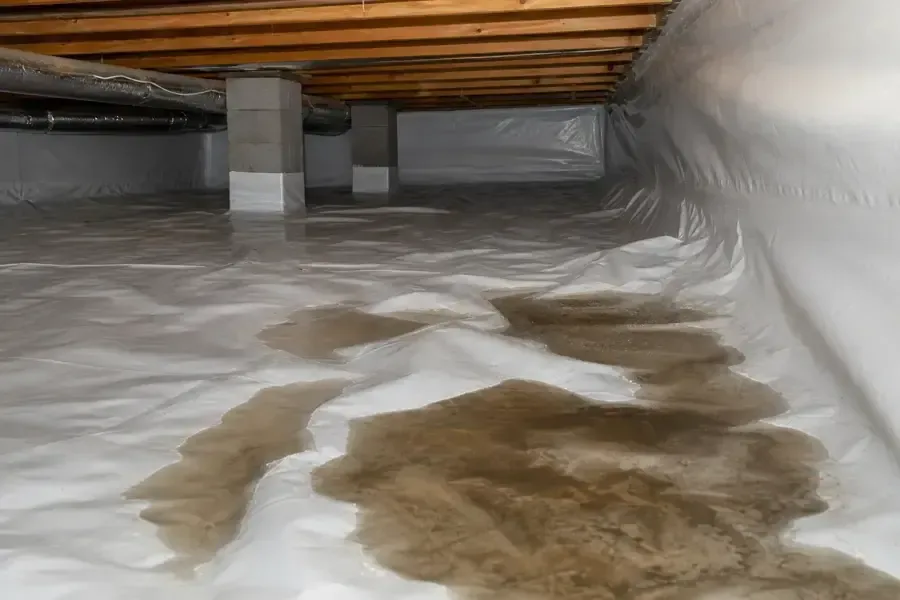
How the crawl space water removal team works
Rapid local response
The response team handles urgent water losses through 24/7 dispatch. The initial discussion identifies active water, unsafe rooms, affected materials and access so the assessment begins with the right priorities.
IICRC S500 drying standard
The drying crew sets material-specific goals using the IICRC S500 standard. Extraction, humidity control and repeated meter readings work together to address moisture beyond a floor that merely looks dry.
Claim-ready documentation
The mitigation team records the source description, room measurements and visible damage before removal. Dated photographs and daily moisture records keep the drying work understandable for the owner and the adjuster.
Local water experts
The restoration assessment distinguishes indoor supply failures from rainwater entry. Technicians inspect the actual wall and floor assembly, explain access needs and keep occupied areas separate from equipment and wet materials.
First steps for crawl space water removal in Monrovia
- Stay outside pooled conditions. Do not enter the crawl space to investigate standing water. Hidden electrical components, poor footing and restricted clearance require an appropriate assessment before anyone works beneath the floor.
- Identify the access opening. Describe the hatch location and any obstacles outside it. A clear exterior approach helps the crew assess equipment entry and the route for removing water or debris.
- Report changes above the floor. Damp edges or newly changed flooring in the occupied room can be useful observations. Record them without lifting finishes or entering the underfloor space to investigate.
- Share source repair details. Information about a repaired supply, drain concern or observed rain entry helps connect the underfloor pool with the work needed to prevent renewed accumulation after removal.
What does crawl space water removal cost in Monrovia, CA?
Monrovia crawl space cleanup depends on clearance, water condition and access to wet insulation or wood. The estimate should identify pumping, material handling and underfloor drying separately, with source repair and any structural repair work clearly described outside that mitigation scope.
Accessible pooled water
- Access opening assessment
- Controlled water recovery
- Visible underfloor checks
Insulation and wood exposure
- Wet insulation evaluation
- Retained wood access
- Targeted underfloor drying
Complex underfloor loss
- Restricted route planning
- Expanded material handling
- Broader moisture documentation
Documentation for your insurance claim
The restoration team records a moisture map, daily psychrometric logs, timestamped pre-demolition photos, water category and material class. A line-item scope explains the equipment and removal work. Sudden accidental leaks, long-running damage, sewer backups and outdoor floods have different policy terms. The homeowner checks coverage with the insurer. The water damage cost calculator offers a planning range; category, square footage, material class and drying delay shape the actual scope.
The crawl space water removal process
Evaluate the entry conditions
The inspection evaluates access, clearance and potential hazards before underfloor work begins. The suspected source and any repair information help establish the initial removal and handling plan.
Remove water through a managed route
Equipment positioning reflects access and water condition. The crew plans collection and waste movement so underfloor work does not spread material into occupied rooms.
Inspect exposed underfloor components
As the pool clears, reachable insulation and wood are evaluated for contact and moisture. Decisions about removal or retention are connected to the condition observed in each accessible section.
Track recovery beneath the floor
Drying targets retained building materials and is assessed with follow-up observations. The handoff identifies remaining source work, material repairs and any access constraints relevant to the next contractor.
When a Monrovia home has a crawl space, its access opening and clearance shape the cleanup before a pump is selected. A property near Foothill Boulevard may need a different working route from one along Myrtle Avenue. The inspection establishes the actual underfloor arrangement, the location of pooled water and the condition of components above it.
Assess the opening without entering casually
A narrow opening can hide electrical equipment, unstable footing and materials that obstruct movement. Occupants should not crawl into standing water to find a leak or reposition insulation. A report from outside the opening can still identify visible water, a suspected plumbing source and any recently changed floor condition above.
- Keep the access hatch available for the inspection.
- Report drainage or supply work already performed.
- Prevent children and pets from approaching the opening.
Distinguish pooled water from wet suspended material
Water on the ground or a vapor barrier requires removal, while saturated insulation and damp framing require their own assessment. Pumping alone does not address every affected component. The water condition also matters where a drain release or outdoor entry is involved, and it shapes how debris or absorbent material is handled.
For a property near Colorado Boulevard, the crew follows the actual pool rather than assigning a foundation type from the location. Controlled extraction may involve a hose route through the access opening while debris movement needs a separate arrangement. Work planning protects occupied rooms from material carried out of the underfloor area.
Evaluate the structure after the pool recedes
Removal reveals surfaces that were previously hidden by water. Wood, supports and the underside of the floor can then be evaluated where access is safe. The team considers whether insulation blocks exposure and whether an ongoing source could refill the space after equipment leaves.
The drying service follows moisture in retained building materials. Underfloor conditions can require a different equipment approach from the occupied room above, with readings used to track progress. The owner should receive a record of remaining repairs, access limitations and the materials addressed beneath the floor before the space is closed again.
Crawl space water removal in Monrovia
Underfloor assessments are available for suitable properties along Foothill Boulevard, Myrtle Avenue and Colorado Boulevard. The caller should describe the actual crawl space opening, visible water and any changes upstairs so the visit can focus on safe access and connected materials.
The same service nearby: crawl space water removal in Duarte, Arcadia, Sierra Madre.
Related water damage services in Monrovia
Crawl Space Water Removal questions in Monrovia, CA
A clearer next step
An underfloor pool needs an access plan before equipment enters. Describe the hatch, visible water and any source repair so the assessment can connect removal with the condition of insulation and wood above.
(888) 578-6508Assess the crawl space entry conditionsDoes every home in the service area have a crawl space?
The assessment begins with the actual foundation and accessible spaces at the property. This service applies where water has collected beneath a raised floor. The owner can describe an existing hatch or known underfloor area, and the inspection establishes what is present before selecting equipment or proposing material access.
Can occupants pump the water without entering?
Equipment use still depends on electrical conditions, water contact and a suitable removal arrangement. A pool visible from the hatch can conceal hazards or a continuing source. The property should receive an assessment of those conditions before pumping is treated as a complete solution for the underfloor loss.
Why examine insulation above the water?
Insulation can absorb water from a plumbing release or contact wet components even when it is no longer touching the pool. Its condition affects access and drying of adjacent wood. The team checks the actual exposure and explains any removal needed to reach retained materials beneath the floor.
Will opening the vents dry the wood?
Outdoor air conditions and underfloor access influence evaporation, and vent changes alone may not address retained moisture. The drying plan should consider the actual wood condition, airflow paths and ongoing source status. Follow-up checks help determine whether the retained assembly is improving under the selected equipment arrangement.
What if water returns after pumping?
Renewed accumulation needs a source assessment. A plumbing release, continuing outdoor entry or another unresolved route can refill the underfloor space. The owner should report where water reappears and share recent repair details so removal and drying are coordinated with the work needed to stop that continued entry.
Can the floor above stay in use?
That depends on the floor condition, access arrangement and hazards identified during inspection. Some work can remain separated below, while other conditions require restrictions above. Occupants should receive a specific explanation of usable rooms and protected routes rather than assuming that an underfloor job has no effect on household access.
Follow the water beneath the occupied floor
The team can evaluate removal routes and explain the material drying work that may remain after pumping.
(888) 578-6508Request an underfloor water condition assessment