Crawl Space Water Removal in Sierra Madre, CA
Underfloor water needs an assessment of the access opening and the conditions beyond it. Sierra Madre crawl space removal addresses observed pooling and wet assemblies after the building's actual underfloor construction has been established.
(888) 578-6508Describe the underfloor access and pooling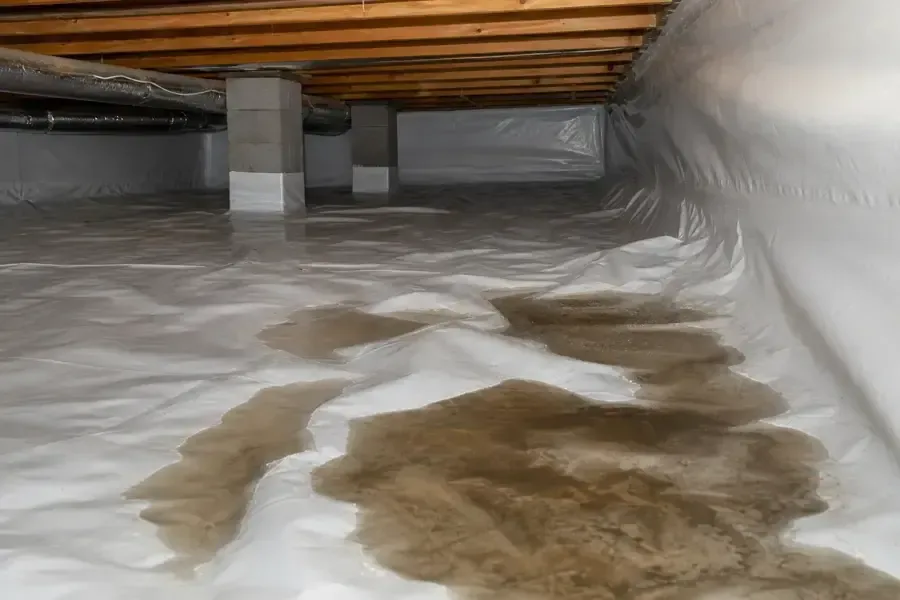
How the crawl space water removal team works
Rapid local response
The response team handles urgent water losses through 24/7 dispatch. The initial discussion identifies active water, unsafe rooms, affected materials and access so the assessment begins with the right priorities.
IICRC S500 drying standard
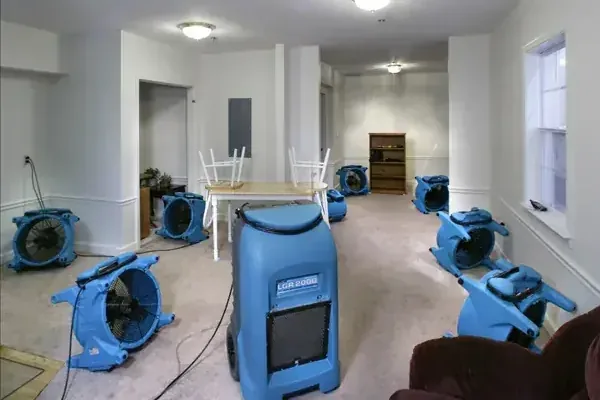
The drying crew sets material-specific goals using the IICRC S500 standard. Extraction, humidity control and repeated meter readings work together to address moisture beyond a floor that merely looks dry.
Claim-ready documentation
The mitigation team records the source description, room measurements and visible damage before removal. Dated photographs and daily moisture records keep the drying work understandable for the owner and the adjuster.
Local water experts
The restoration assessment distinguishes indoor supply failures from rainwater entry. Technicians inspect the actual wall and floor assembly, explain access needs and keep occupied areas separate from equipment and wet materials.
First steps for crawl space water removal in Sierra Madre
- Stay outside the opening. Wet underfloor areas can contain electrical hazards, restricted movement and unstable materials. An occupant should describe visible conditions from outside rather than entering to investigate the pooling.
- Identify the access location. Tell the team where the hatch is and what obstructs it. Available clearance and the equipment route help define which underfloor areas can be safely reached for inspection.
- Record source clues. Report recent plumbing trouble, rainfall or drainage changes along with the discovery. Those observations help distinguish possible entry routes before a source investigation begins beneath the floor.
- Keep the route usable. Move dry, reachable objects away from the access area if safe. Wet insulation, barriers and utility components should remain for assessment and appropriate handling by the team.
What does crawl space water removal cost in Sierra Madre, CA?
Crawl space removal costs in Sierra Madre vary with clearance, pooling location and wet underfloor materials. Insulation or barriers may need handling beyond pumping. The scope should identify accessible areas, remaining moisture treatment and any separate work required to correct the water source.
Accessible pooled water
- Entry clearance assessment
- Reachable water pumping
- Initial material inspection
Insulation and wood exposure
- Underfloor layer assessment
- Wet insulation handling
- Framing moisture checks
Complex underfloor loss
- Restricted access planning
- Extended assembly treatment
- Source repair coordination
Documentation for your insurance claim
The restoration team records a moisture map, daily psychrometric logs, timestamped pre-demolition photos, water category and material class. A line-item scope explains the equipment and removal work. Sudden accidental leaks, long-running damage, sewer backups and outdoor floods have different policy terms. The homeowner checks coverage with the insurer. The water damage cost calculator offers a planning range; category, square footage, material class and drying delay shape the actual scope.
The crawl space water removal process
Assess entry and reach
The crew reviews the access opening, underfloor clearance and utility hazards. The work plan identifies where equipment can operate and what areas need another inspection approach.
Characterize the water
Source clues and contact conditions inform removal and material handling. Pooling locations are documented alongside barriers, insulation and structural surfaces that may have absorbed water during the release.
Remove and expose
Reachable water is collected, with affected materials handled according to their condition. Newly exposed areas are inspected so remaining dampness is not hidden by the first successful pumping step.
Treat the remaining assembly
Drying follows the condition of accessible wood and other retained layers. The closing record explains moisture observations, access limitations and source work that remains necessary to prevent renewed entry.
The access hatch is only the beginning of an underfloor assessment. Pooling may sit beyond the opening, beneath loose material or near utility components. The team first establishes whether entry and equipment placement are safe, then plans how water can be removed from the spaces actually reached.
Inspect construction before planning the pump route
Lower Sierra Madre Canyon is known for small bungalows or cabins, while Upper Sierra Madre Canyon includes narrow, winding roads. The building itself must be inspected to establish whether it has a crawl space and how that area is arranged. A housing description does not replace checking the floor assembly.
For a property near Bailey Canyon Wilderness Park, an intake description can identify the access hatch and any visible water from outside it. That helps organize an assessment without asking an occupant to enter a wet or confined underfloor area.
Identify water and material contact together
A pipe release, outdoor entry and backed up drain create different handling needs. The assessment considers the source along with the condition of barriers, insulation and wood. Removing pooled water may expose additional wet areas that were hidden during the initial view.
- A folded barrier can hold water apart from the surrounding surface.
- Hanging insulation may obstruct inspection of wet framing.
- Utility components can limit safe equipment placement and movement.
Sierra Madre Public Works accepts drainage concerns involving clogged storm drains and runoff. A private underfloor problem still needs its own entry investigation. The City of Sierra Madre regulates applicable plumbing and structural work when source repair or damaged assembly replacement is required.
Continue beyond the last visible pool
Wood above a cleared pool can remain damp, and wet insulation can keep holding water against the floor assembly. Drying decisions follow those inspected conditions. Access limitations should be documented so the owner understands which surfaces were reached and which require another approach.
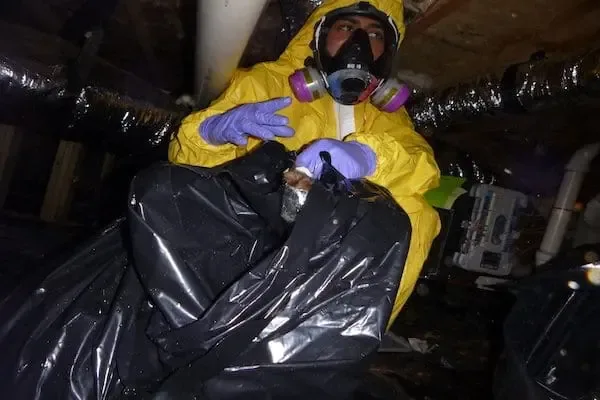
Structural drying of retained materials may follow pumping when the underfloor assembly needs controlled moisture removal. If the assessment identifies wastewater, sewage contact cleanup adds the appropriate contamination handling. The final scope should connect the source, collected water and remaining assembly treatment before underfloor work is considered complete.
Crawl space water removal in Sierra Madre
Underfloor assessments include inspected crawl spaces near Bailey Canyon Wilderness Park and the canyon communities. The report should identify the hatch, visible pooling and any access restrictions so the team can establish the construction and plan an appropriate equipment route.
The same service nearby: crawl space water removal in Duarte, Arcadia, Monrovia.
Water damage restoration in Sierra Madre · every town covered
Related water damage services in Sierra Madre

Crawl Space Water Removal questions in Sierra Madre, CA
A clearer next step
Start at the hatch and assess what lies beyond
(888) 578-6508Describe the access opening, visible pooling and recent plumbing or rainfall changes. The underfloor assessment can then establish safe reach, water handling needs and the condition of the floor assembly above the affected space.Do canyon bungalows automatically have crawl spaces?
The foundation and floor arrangement must be established at the individual building. A bungalow or cabin description does not identify what lies beneath its finish flooring. The assessment begins with actual access and construction so the removal plan fits an inspected underfloor area.
Can pumping alone complete the work?
Pumping removes reachable accumulation, while insulation, wood and folded barriers may continue holding water. Those materials need evaluation after the pool clears. Drying or material handling may remain necessary, and the source must be addressed so the same area does not refill during continued leakage.
Should an owner enter to estimate water depth?
Entry can involve restricted clearance, wet utility components and unstable materials. An occupant should remain outside and describe what is visible from the opening. The team can assess a safe method for inspection and measurement without relying on an owner to enter the affected space.
What happens to wet insulation?
Its condition, water contact and position determine the handling decision. Saturated or damaged insulation may need removal to expose the floor assembly and permit effective treatment. The team should document the finding and explain how retained wood or adjacent layers will be evaluated afterward.
Does a barrier need attention after water is removed?
A barrier can hold water in folds or conceal pooling beneath it. Inspection should consider both its condition and the surfaces around it. Simply seeing a dry upper surface may miss retained moisture or debris that needs handling before the underfloor area is closed to access.
How is a continuing source handled?
The restoration assessment identifies observed entry clues and coordinates with the contractor or municipal contact appropriate to the problem. A pipe repair, exterior drainage correction and wastewater issue require different responses. The completion record should distinguish water removal from whatever source work remains necessary.
Discuss the underfloor inspection route
Pumping and material drying are separate parts of recovery.
(888) 578-6508Explain the water visible beneath the floor