Slab Leak Water Damage in Azusa, CA
A damp floor edge can be the first visible clue to water escaping below it. Slab leak cleanup in Azusa connects source location with a careful assessment of the finishes and materials above the concrete.
(888) 578-6508Explain the damp floor pattern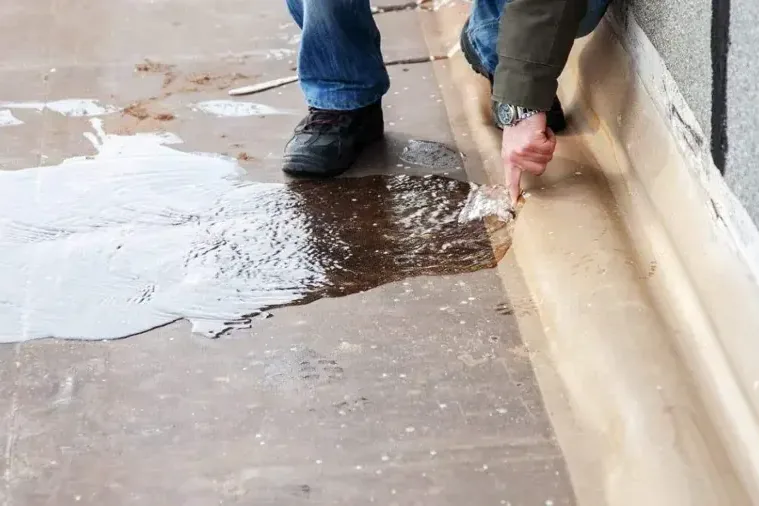
How the slab leak water damage team works
Rapid local response
The response team handles urgent water losses through 24/7 dispatch. The initial discussion identifies active water, unsafe rooms, affected materials and access so the assessment begins with the right priorities.
IICRC S500 drying standard
The drying crew sets material-specific goals using the IICRC S500 standard. Extraction, humidity control and repeated meter readings work together to address moisture beyond a floor that merely looks dry.
Claim-ready documentation
The mitigation team records the source description, room measurements and visible damage before removal. Dated photographs and daily moisture records keep the drying work understandable for the owner and the adjuster.
Local water experts
The restoration assessment distinguishes indoor supply failures from rainwater entry. Technicians inspect the actual wall and floor assembly, explain access needs and keep occupied areas separate from equipment and wet materials.
First steps for slab leak water damage in Azusa
- Record the changed flooring. Photographs of lifted edges, damp joints, and wall base staining preserve the pattern before the source investigation or removal work changes the affected surfaces.
- Coordinate supply control. The property owner should arrange assessment of the suspected supply leak and identify any safe shutoff access without entering an area with electrical hazards.
- Keep openings purposeful. Floor or wall access should follow the source location and moisture findings. Unplanned demolition can obscure the original pattern and create unnecessary finish damage.
- Separate contents from work. Items stored against damp floor edges should be documented and moved when safe, leaving enough access for material checks and any targeted opening the assessment requires.
What does slab leak water damage cost in Azusa, CA?
Slab leak damage costs in Azusa depend on the wet floor layers, concrete access, and adjoining materials requiring attention. The quoted cleanup scope should distinguish drying from pipe location and repair. Broader moisture beneath finishes can expand the work beyond the original opening.
Accessible floor edge
- Localized covering access
- Adjacent edge checks
- Limited material drying
Several wet layers
- Layered floor assessment
- Affected material removal
- Substrate moisture monitoring
Wider slab moisture
- Expanded floor access planning
- Connected wall base assessment
- Broader drying equipment arrangement
Documentation for your insurance claim
The restoration team records a moisture map, daily psychrometric logs, timestamped pre-demolition photos, water category and material class. A line-item scope explains the equipment and removal work. Sudden accidental leaks, long-running damage, sewer backups and outdoor floods have different policy terms. The homeowner checks coverage with the insurer. The water damage cost calculator offers a planning range; category, square footage, material class and drying delay shape the actual scope.
The slab leak water damage process
Map the floor changes
The inspector compares visible damage with the reported source and identifies moisture at floor edges, transitions, and adjoining wall materials before selecting a work boundary.
Arrange repair access
Source location findings inform the pipe repair route, while the mitigation team documents the additional openings needed to reach wet coverings or concealed building components.
Manage the exposed materials
After access is established, removal and drying decisions reflect the condition of each layer. Retained concrete and nearby assemblies receive their own moisture observations.
Prepare the floor handoff
The final record describes the substrate condition, materials removed, and any remaining finish requirements so replacement can be planned around the actual exposed assembly.
The area where flooring changes color may sit away from the supply failure. Water beneath a finish can spread along seams and reach a wall edge before becoming visible. A useful inspection therefore connects the suspected pipe location with the moisture pattern above it, instead of treating the first damaged board as the complete repair boundary.
Locate before choosing access
The City of Azusa operates a municipal water utility. Inside a property, source location and repair coordination help establish whether a supply release is still feeding the affected assembly. The restoration scope should identify wet finishes separately from the opening needed for pipe work, so the owner can understand both parts of the project.
Foothill Boulevard and Alosta Avenue carry Historic Route 66 through the city. At an affected property along either corridor, the floor inspection should record the actual covering, substrate, and accessible perimeter. Decisions about lifting materials depend on those observations and the location of the leak.
Inspect the concrete and nearby finishes
Water can remain under a floor even after a plumber stops the source. The mitigation team checks beneath accessible edges and follows dampness into adjoining wall bases where necessary. Cabinets or built-in storage can complicate access, so the scope should explain which obstructions need movement and which surfaces can be assessed in place.
- Mark the visible floor changes before removing finishes.
- Keep pipe repair openings distinct in the damage record.
- Inspect contact points between flooring and wall materials.
- Record substrate observations before replacement is scheduled.
Dry the retained assembly before rebuilding
Along San Gabriel Avenue, as elsewhere in town, a completed pipe repair still leaves a separate question about retained moisture. Structural drying focuses on the materials that remain after access and removal work. Suitable measurements help determine whether the substrate is ready for the proposed floor system.
Azusa Public Works Engineering Division lists grading and encroachment permits. Interior repair planning should be coordinated with the contractor handling the actual work. The restoration service overview explains the cleanup stages around that repair. Closing the assembly follows evaluation of its moisture condition, any damaged components, and the requirements of the replacement finish.
Slab leak water damage in Azusa
Slab related water damage assessments are available across Azusa, including properties reached from Azusa Avenue and San Gabriel Avenue. The inspection focuses on the individual floor assembly, source access, and adjoining rooms to establish the scope for that property.
The same service nearby: slab leak water damage in Duarte, Monrovia, Baldwin Park.
Related water damage services in Azusa
Slab Leak Water Damage questions in Azusa, CA
A clearer next step
Start with the floor's moisture pattern
(888) 578-6508Describe the damp edges, changed finishes, and any source investigation already completed so the assessment can connect repair access with the wet materials.Does a damp floor always mean a slab leak?
Several sources can produce a similar floor pattern, including nearby fixtures and water arriving from another room. Source investigation should establish the cause before concrete access is selected. Moisture mapping then identifies the parts of the floor and wall assembly that need separate restoration work.
Can the flooring stay while concrete dries?
That depends on whether the covering traps moisture, has suffered damage, or prevents useful access to the substrate. The crew should evaluate the assembly before recommending retention. A finish that appears intact may still obstruct drying of the layers beneath its visible surface.
Who handles the leaking pipe?
The contractor responsible for source repair locates and addresses the pipe problem. Restoration work deals with affected floor coverings, concrete moisture, and wet adjoining components. A clear scope records each responsibility so access work and drying can proceed in a coordinated order.
Why inspect walls beside a slab leak?
Water at the floor perimeter can reach wall materials through direct contact. The inspection should follow that wetting into accessible base sections and nearby built-in components. Checking those junctions helps avoid completing a floor repair while damp material remains concealed beside it.
Can the new floor go in after the surface dries?
A replacement floor needs a suitable substrate with a checked moisture condition. The substrate needs assessment appropriate to the finish being installed, and the source must be controlled. Installation decisions should consider the retained moisture and any requirements supplied for the new flooring assembly.
What should a written slab damage estimate explain?
It should identify affected layers, planned access, material removal, drying equipment, and monitoring. Pipe location and repair should be clearly separated when handled outside that scope. The owner should also understand what finish replacement is included and what will require a later agreement.
Discuss the slab and finish layers
Keep photographs of the original floor changes available for assessment.
(888) 578-6508The cleanup scope can then distinguish source work from drying and the later installation of replacement finishes.