Crawl Space Water Removal in Baldwin Park, CA
When a property has a crawl space, pooling beneath the floor requires an access and hazard assessment. Baldwin Park underfloor cleanup addresses the water source, wet insulation and retained moisture around the exposed building materials.
(888) 578-6508Describe the underfloor water and access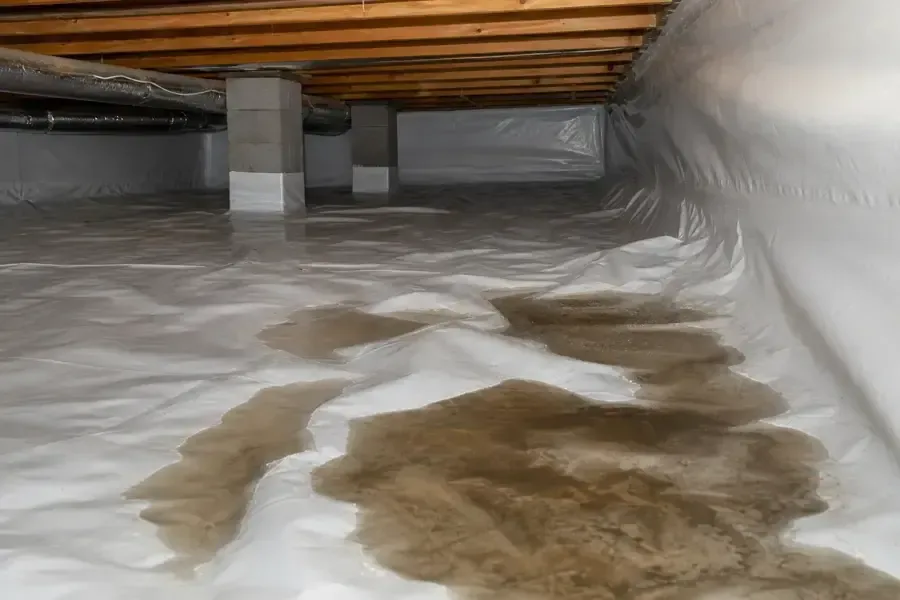
How the crawl space water removal team works
Rapid local response
The response team handles urgent water losses through 24/7 dispatch. The initial discussion identifies active water, unsafe rooms, affected materials and access so the assessment begins with the right priorities.
IICRC S500 drying standard
The drying crew sets material-specific goals using the IICRC S500 standard. Extraction, humidity control and repeated meter readings work together to address moisture beyond a floor that merely looks dry.
Claim-ready documentation
The mitigation team records the source description, room measurements and visible damage before removal. Dated photographs and daily moisture records keep the drying work understandable for the owner and the adjuster.
Local water experts
The restoration assessment distinguishes indoor supply failures from rainwater entry. Technicians inspect the actual wall and floor assembly, explain access needs and keep occupied areas separate from equipment and wet materials.
First steps for crawl space water removal in Baldwin Park
- Stay outside the opening. Do not enter pooled underfloor water or reach toward wet electrical equipment. Describe visible conditions from a safe position while an access assessment is arranged.
- Locate available access details. Tell the team where the hatch is and whether stored objects block it. Mention restricted clearance or earlier work that may affect movement beneath the floor.
- Identify the suspected source. Report a known plumbing leak, outside water entry or drainage backup separately. Source information helps determine protective measures and whether a repair professional should coordinate with removal.
- Protect the route above. Keep the interior approach clear if access is indoors. Avoid carrying wet insulation or debris through occupied space before controlled handling and disposal have been planned.
What does crawl space water removal cost in Baldwin Park, CA?
Crawl space removal in Baldwin Park ranges from $1,500 to $9,500+ across the listed scopes. Entry restrictions, water condition and wet insulation influence the work. The estimate should distinguish water removal and drying from plumbing repair or replacement of damaged underfloor materials.
Accessible pooled water
- Underfloor entry assessment
- Accessible water extraction
- Initial contact area inspection
Insulation and wood exposure
- Wet insulation evaluation
- Exposed framing moisture checks
- Controlled material handling plan
Complex underfloor loss
- Restricted access work planning
- Broader affected assembly inspection
- Expanded drying and documentation
Documentation for your insurance claim
The restoration team records a moisture map, daily psychrometric logs, timestamped pre-demolition photos, water category and material class. A line-item scope explains the equipment and removal work. Sudden accidental leaks, long-running damage, sewer backups and outdoor floods have different policy terms. The homeowner checks coverage with the insurer. The water damage cost calculator offers a planning range; category, square footage, material class and drying delay shape the actual scope.
The crawl space water removal process
Plan safe underfloor access
The assessment evaluates access, clearance, water source and hazards. Entry and handling routes are established before equipment or personnel move into the affected space beneath the property.
Remove the accumulation
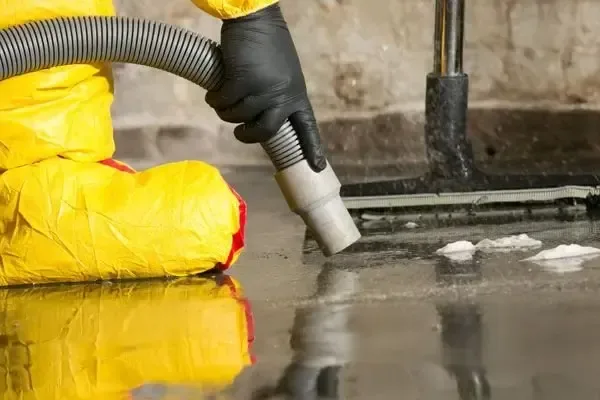
Appropriate equipment clears accessible pooled water while the source is addressed. As surfaces become visible, the team evaluates the barrier, debris and insulation for contact and material damage.
Assess the retained structure
Exposed framing and the underside of the floor are checked for moisture. Removal needs and drying access are explained before the equipment layout is finalized for the restricted space.
Document the underfloor handoff
Followup readings and source repair information identify what is ready for replacement work. The record lists missing insulation, barrier repairs and other remaining tasks before the access opening is closed.
A crawl space can hold water beyond the view from its access opening. Where this underfloor construction is present, the first task is to assess entry conditions and locate the source. Occupants should not crawl through pooled water to inspect plumbing, electrical equipment or the underside of the floor.
Describe the opening before entering
Limited clearance, debris and wet equipment can complicate underfloor work. The team needs the access location, visible water and any known plumbing problem before planning entry. A photograph from outside the opening can be useful without placing an occupant beneath a wet or uncertain assembly.
A property near Walnut Creek Nature Park, along Cloverleaf Drive or near Hilda L. Solis Park needs an assessment of its own foundation and access. If a crawl space exists, its layout and wet materials determine the removal approach. The nearby street or park helps describe location while the inspection establishes the building conditions.
Remove water and examine the contact area
Pooled water can rest on a vapor barrier or reach insulation and floor framing. Its source affects handling decisions: a plumbing release, outdoor entry and wastewater require different assessments. Removal should be coordinated with source control so the space is not repeatedly rewetted during cleanup.
- Identify saturated insulation and any material hanging into pooled water.
- Inspect accessible framing after the water surface has been lowered.
- Evaluate the barrier and debris for cleaning or replacement needs.
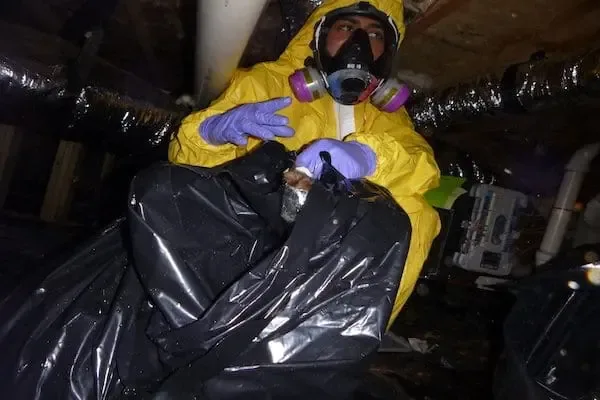
Water extraction creates access to surfaces that were concealed by pooling. Any proposed material removal should explain both the damage and the route for bringing it out without affecting occupied rooms above.
Check the underside of the floor before closing
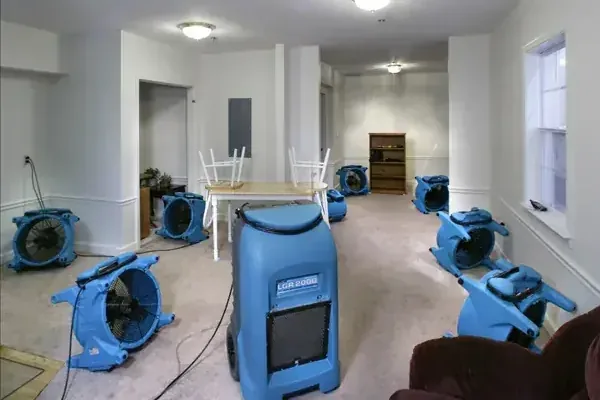
Wood and other retained materials need moisture checks after pooled water has been cleared. Air movement and dehumidification need to be suited to the available space, with readings that follow moisture in the affected assembly. An open hatch alone is not a measured drying plan.
Structural drying provides the next material assessment where needed. The handoff should document source repair, removed insulation or barrier sections, drying checks and any work still required underneath. Keeping that record helps the owner coordinate replacement materials without sealing an unresolved wet area beneath the floor.
Crawl space water removal in Baldwin Park
Underfloor water assessments are available at Baldwin Park properties with crawl spaces near Walnut Creek Nature Park, Cloverleaf Drive and Hilda L. Solis Park. Describe the access opening and visible pooling so the inspection can address the actual underfloor layout.
The same service nearby: crawl space water removal in Duarte, Arcadia, Azusa.
Water damage restoration in Baldwin Park · every town covered
Related water damage services in Baldwin Park
Crawl Space Water Removal questions in Baldwin Park, CA
A clearer next step
Pooling beneath the occupied floor
(888) 578-6508Plan access before underfloor removalShould an occupant inspect beneath the floor?
Occupants should remain outside a wet crawl space when hazards and access conditions are uncertain. Pooled water can conceal debris or electrical concerns, and limited clearance complicates escape. Describe what is visible from the opening and let an appropriate assessment establish how inspection and removal can proceed safely.
Does removing the pool dry the floor framing?
Extraction clears accessible water but does not remove moisture already absorbed by wood or trapped against it. Framing and the underside of the floor need separate checks. A drying plan should follow those readings and provide suitable access rather than treating the absence of pooling as completion.
Can wet insulation remain underneath?
Its material, condition and exposure determine the decision. Saturated or contaminated insulation may require removal, and it can conceal moisture against framing. The work scope should explain any removal, how the retained structure will be assessed and what replacement insulation remains for the later repair stage.
What if water lies on the vapor barrier?
The barrier and the water beneath or around it need inspection. Pooling on top may hide debris or contact with other materials. The team should identify the source, remove water under suitable controls and evaluate whether cleaning, adjustment or replacement is needed before the underfloor assembly is restored.
Will opening the hatch solve the moisture problem?
An open hatch does not show whether retained materials are drying adequately. Conditions and airflow can vary across the space, particularly behind obstructions. A useful plan measures affected materials, addresses the source and adjusts equipment according to progress rather than relying only on ventilation at the entrance.
What belongs in the completion record?
The record should describe the original water source, removed materials and the retained assembly checked during drying. Include photographs where access permits and identify barrier or insulation work still outstanding. This gives the owner a practical handoff for repairs that may otherwise remain out of sight beneath the building.
Describe the hatch, visible water and any known source without entering the affected space. The assessment can establish the removal route and the checks needed for insulation, barriers and retained framing.
Discuss crawl space entry and moisture
(888) 578-6508Keep the approach clear for an inspection and leave wet debris undisturbed.