Crawl Space Water Removal in Azusa, CA
Underfloor pooling needs a safe inspection route before anyone reaches for a pump. Crawl space water removal in Azusa assesses access, source conditions, and the building materials above the standing water.
(888) 578-6508Describe the underfloor opening and pooled water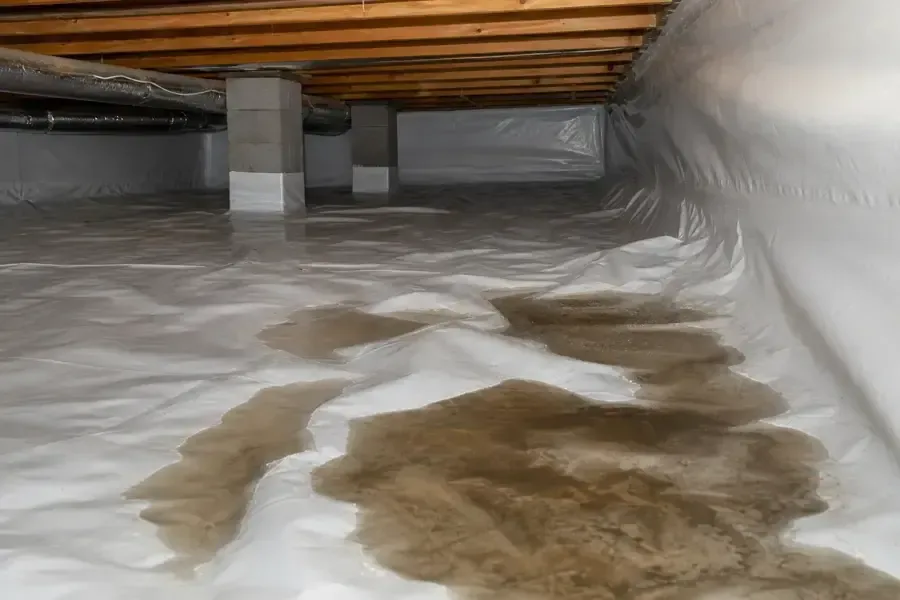
How the crawl space water removal team works
Rapid local response
The response team handles urgent water losses through 24/7 dispatch. The initial discussion identifies active water, unsafe rooms, affected materials and access so the assessment begins with the right priorities.
IICRC S500 drying standard
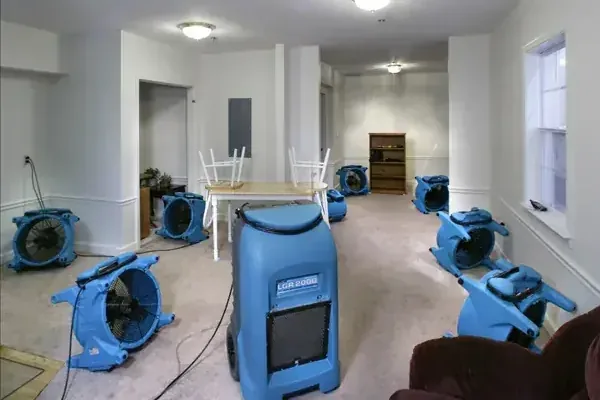
The drying crew sets material-specific goals using the IICRC S500 standard. Extraction, humidity control and repeated meter readings work together to address moisture beyond a floor that merely looks dry.
Claim-ready documentation
The mitigation team records the source description, room measurements and visible damage before removal. Dated photographs and daily moisture records keep the drying work understandable for the owner and the adjuster.
Local water experts
The restoration assessment distinguishes indoor supply failures from rainwater entry. Technicians inspect the actual wall and floor assembly, explain access needs and keep occupied areas separate from equipment and wet materials.
First steps for crawl space water removal in Azusa
- Stay outside the underfloor space. Occupants should avoid entering pooled water beneath the building where electrical components, restricted movement, or uncertain water conditions prevent a safe inspection from the access opening.
- Describe the available entrance. The property contact should identify the hatch or access route and any obstructions so the crew can plan suitable inspection and collection equipment before entering the space.
- Report changes observed upstairs. Floor movement, damp edges, or water appearing around pipe penetrations can help connect the underfloor pool with affected building materials above and shape the initial inspection area.
- Record any continuing water entry. Visible flow near the opening should be described from a safe position. Source information helps coordinate repair work and prevents collection from proceeding around an unchecked continuing release.
What does crawl space water removal cost in Azusa, CA?
Crawl space removal costs in Azusa depend on access, pooled water distribution, and material exposure. Restricted working space or wet insulation can increase handling needs. The written scope should distinguish pumping from cleaning, underfloor drying, source repairs, and replacement of affected components.
Accessible pooled water
- Underfloor collection planning
- Reachable water removal
- Initial exposed material observations
Insulation and wood exposure
- Affected insulation assessment
- Wood moisture mapping
- Targeted retained material drying
Complex underfloor loss
- Restricted access equipment coordination
- Expanded contaminated material handling
- Broader underfloor monitoring and documentation
Documentation for your insurance claim
The restoration team records a moisture map, daily psychrometric logs, timestamped pre-demolition photos, water category and material class. A line-item scope explains the equipment and removal work. Sudden accidental leaks, long-running damage, sewer backups and outdoor floods have different policy terms. The homeowner checks coverage with the insurer. The water damage cost calculator offers a planning range; category, square footage, material class and drying delay shape the actual scope.
The crawl space water removal process
Evaluate entry and underfloor conditions
The crew reviews the opening, electrical concerns, water condition, and movement restrictions before deciding how inspection and removal can proceed beneath the floor.
Identify and collect pooled sections
Suitable equipment reaches the water collection areas, with the removal sequence adjusted to access and continuing entry. Observations identify any material contact revealed as the water level falls.
Inspect the exposed assembly
After collection, the assessment addresses insulation, framing, and other underfloor components. Findings determine cleaning, selective removal, and the retained materials that need drying beyond the initial pump work.
Measure remaining moisture and record repairs
Follow-up checks document the condition of retained components and any unresolved source work. The closing record separates completed water removal from remaining insulation, covering, or building material replacement tasks.
A crawl space can hold water beneath a room that appears unaffected from above. The first task is to establish whether the underfloor area can be inspected safely and where the water collects. Electrical equipment, restricted movement, and uncertain water conditions can make occupant entry unsuitable even when the access opening looks usable.
Start with the property access and source
Azusa is on the east side of the San Gabriel River and at the entrance to San Gabriel Canyon. At an individual property with a crawl space, the actual source of underfloor water needs inspection. Pipe discharge, outdoor entry, and continuing seepage each lead to different source coordination and cleanup decisions.
For a building reached from San Gabriel Avenue, the property contact can describe the access hatch and any observed pooling without entering the space. The crew then evaluates the opening, equipment route, and conditions needed to reach the collection area safely.
Check what the pooled water touched
Water resting on a ground covering can conceal uneven collection pockets. Above it, insulation and timber may have received splashes or prolonged damp exposure. The removal scope should identify those contact points and explain whether materials need cleaning, selective removal, or drying after the pool is collected.
- Keep untrained occupants outside the underfloor work area.
- Record accessible views before collection changes the water level.
- Inspect insulation condition and attachment where visible.
- Check exposed wood after water removal opens the view.
Follow moisture after pumping
Azusa Public Works lists storm drain maintenance and sewer maintenance under its Streets Division. Those municipal functions can be relevant to reporting external service concerns, while the property inspection establishes the interior source and handling needs. The City of Azusa also operates the municipal water utility.
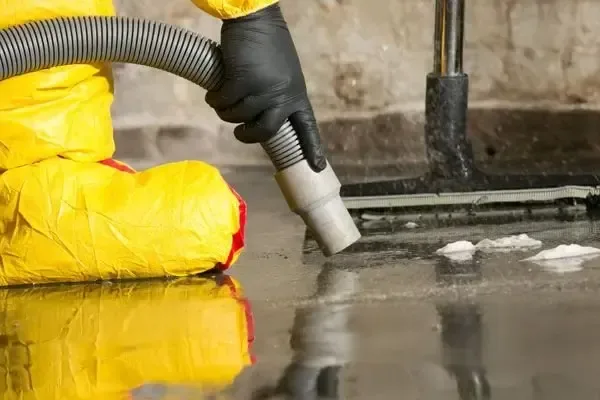
Water extraction handles accessible pooling, but structural drying may still be needed for damp floor framing or other retained components. The drying setup must work within the actual underfloor access and available space. A completed pump out should leave a record of remaining damp materials, any continuing source, and the components that require replacement before the underfloor work is closed.
Crawl space water removal in Azusa
Underfloor water assessments serve Azusa properties where inspection identifies a crawl space, including locations reached from Foothill Boulevard and Alosta Avenue. Access size, source conditions, and the affected material surfaces determine the removal plan for the particular building and its occupied rooms.
The same service nearby: crawl space water removal in Duarte, Monrovia, Baldwin Park.
Related water damage services in Azusa
Crawl Space Water Removal questions in Azusa, CA
A clearer next step
Plan access before underfloor removal
(888) 578-6508Describe the opening, visible pooling, and any changes in the occupied room above so the assessment can connect water collection with material exposure.Can a homeowner inspect a flooded crawl space?
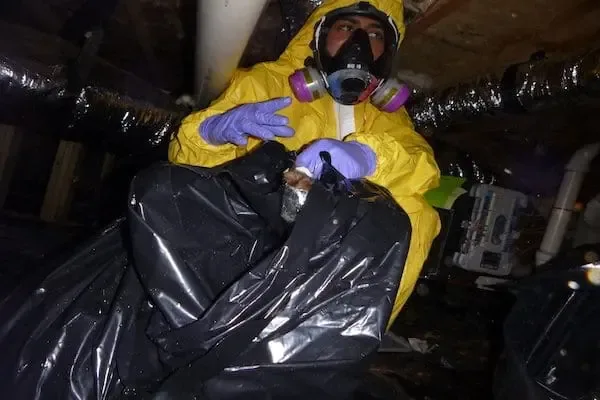
An underfloor area with pooled water can present electrical, access, and contamination concerns that are difficult to assess from outside. Occupants should describe visible conditions without entering. The crew can evaluate the opening and decide what precautions and equipment are needed for a safe inspection.
Does pumping remove all of the underfloor moisture?
Pumping collects accessible liquid but leaves water absorbed by wood, insulation, and other affected materials. Those components need a separate assessment after the pool is removed. The drying scope should follow their condition rather than ending when the lowest visible area no longer holds standing water.
What happens to wet insulation?
Its exposure, condition, and ability to remain in place need inspection. Damaged or contaminated insulation may require removal, while retained surrounding components need moisture checks. The work record should explain what was removed and identify the replacement needed after the underfloor assembly is ready.
Can the floor above be affected without a visible stain?
Underfloor moisture can reach framing and the underside of floor materials before a clear mark appears upstairs. Observations from both sides help define the condition of the assembly. Any new floor movement or damp edge should be reported so the inspection can address that location.
How is the water source identified?
The assessment considers visible flow, pipe conditions, outdoor entry points, and the history reported by the property contact. The responsible source contractor may need further investigation. Removal and drying should be coordinated with that work so a continuing release does not repeatedly refill the space.
What should remain documented after cleanup?
The record should show the collection areas, affected materials, source observations, and moisture checks on retained components. It should also identify any insulation or covering removed and the remaining repair needs. That information connects the initial pumping with the condition of the underfloor assembly afterward.
Discuss underfloor access and moisture conditions
Keep occupants outside the space until its entry conditions are assessed.
(888) 578-6508The removal scope should include the components still holding moisture after pumping.