Burst Pipe Water Damage in Monrovia, CA
A sudden supply release can leave damage above, behind and beneath the first visible puddle. Monrovia pipe loss cleanup follows that spread while the plumbing repair and the drying scope are coordinated separately.
(888) 578-6508Discuss the rooms reached by pipe water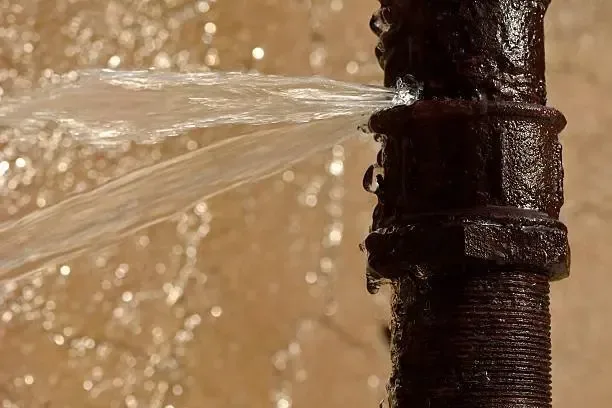
How the burst pipe water damage team works
Rapid local response
The response team handles urgent water losses through 24/7 dispatch. The initial discussion identifies active water, unsafe rooms, affected materials and access so the assessment begins with the right priorities.
IICRC S500 drying standard
The drying crew sets material-specific goals using the IICRC S500 standard. Extraction, humidity control and repeated meter readings work together to address moisture beyond a floor that merely looks dry.
Claim-ready documentation
The mitigation team records the source description, room measurements and visible damage before removal. Dated photographs and daily moisture records keep the drying work understandable for the owner and the adjuster.
Local water experts
The restoration assessment distinguishes indoor supply failures from rainwater entry. Technicians inspect the actual wall and floor assembly, explain access needs and keep occupied areas separate from equipment and wet materials.
First steps for burst pipe water damage in Monrovia
- Reach a safe shutoff. If the relevant valve is accessible without entering wet electrical conditions, supply isolation can limit further release. Otherwise the area should stay clear.
- Keep the failure visible. A photograph of the broken component and surrounding damage helps connect plumbing repair with the rooms affected, provided it can be taken safely.
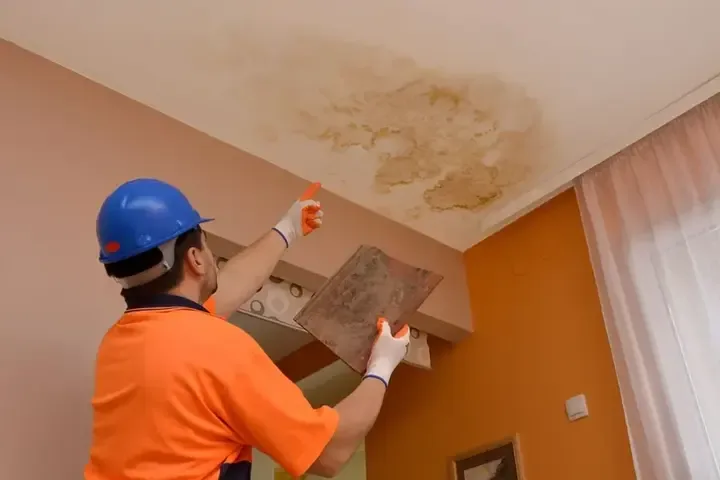
- Look from adjoining dry rooms. Report ceiling marks, damp doorway edges or new water in neighboring spaces. These observations help the team trace spread beyond the first puddle.
- Coordinate permission to open. The owner or property manager should be available for decisions involving walls and floors, especially where the plumber's repair opening needs additional drying access.
What does burst pipe water damage cost in Monrovia, CA?
Monrovia burst pipe cleanup is shaped by the water path through cavities and connected floors. The estimate should explain extraction, selective removal and drying separately from the plumbing repair, including how additional concealed wet layers could change the required work.
One contained room
- Initial spread assessment
- Localized liquid removal
- Room drying setup
Wall and floor spread
- Cavity access planning
- Floor edge exposure
- Connected material checks
Several connected spaces
- Multiple room mapping
- Expanded drying equipment
- Repair handoff records
Documentation for your insurance claim
The restoration team records a moisture map, daily psychrometric logs, timestamped pre-demolition photos, water category and material class. A line-item scope explains the equipment and removal work. Sudden accidental leaks, long-running damage, sewer backups and outdoor floods have different policy terms. The homeowner checks coverage with the insurer. The water damage cost calculator offers a planning range; category, square footage, material class and drying delay shape the actual scope.
The burst pipe water damage process
Connect repair and damage
The inspection starts with the reported pipe failure, current supply status and visible room changes. Those observations establish where the moisture investigation should extend next.
Expose the wet branches
Material checks follow the release through connected cavities and finishes. The team discusses openings that reveal damp layers while defining safe routes around the work.
Dry the retained structure
Equipment targets the exposed assembly rather than only the source point. Readings show how framing, wall edges and flooring respond as indoor conditions are adjusted.
Document the enclosure decision
The final assessment identifies repaired plumbing, retained materials and finish work still required. That distinction supports an orderly transition to closing walls and replacing damaged surfaces.
A broken pipe inside a wall can send water downward before any stain reaches the room. Monrovia recorded a high level of building activity in 1923, and the townsite centered on Myrtle Avenue and present-day Colorado Boulevard. Inspection of a property in that setting starts with its current assemblies, including any layers added during later alterations.
Record the release before the wall changes
The plumbing repair explains where the water originated. Photographs of the initial stain, floor spread and repair opening help connect that source with the rest of the loss. A supply valve should only be reached from a safe position. If water has contacted electrical equipment, the room needs an appropriate safety assessment before hands or tools enter the wet area.
- Identify the fixture or supply section isolated.
- Note whether water continues appearing after shutoff.
- Keep access clear around the plumber's opening.
Look for branches in the water path
A wet wall cavity may connect with insulation, a floor edge and a ceiling below. Along Foothill Boulevard, an inspection follows those actual connections instead of ending at the visible patch. Base trim can conceal spread into an adjoining room, while a finish added over an older surface can hold water between layers.
The team checks which materials can be retained and which prevent access to moisture. Water removal clears accessible pools, but a wall may still need selective opening afterward. The owner should understand why each proposed opening is part of the moisture assessment and how it relates to the original pipe failure.
Close the assembly in the right order
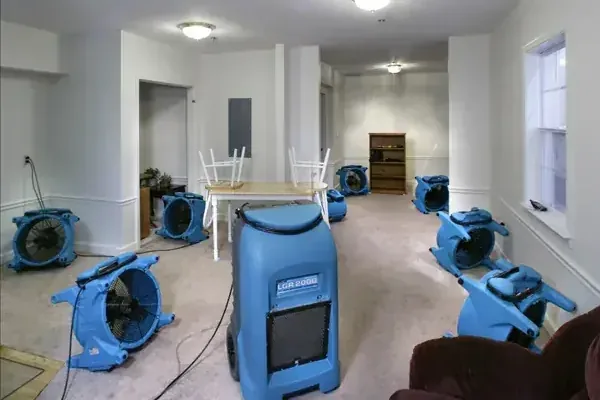
After source repair, the drying team works with the exposed materials and the room conditions. Equipment placement must account for household circulation and any isolated electrical supply. Readings at identified points show whether the wet framing or floor edge is improving, and whether a hidden section needs further attention.
The Monrovia restoration hub connects this pipe loss with the broader repair sequence. Before the wall is patched, the handoff should distinguish completed plumbing work, drying observations and remaining finish replacement. That record gives the repair contractor a clear starting condition instead of leaving the damp edge hidden behind a newly closed surface.
Burst pipe water damage in Monrovia
Pipe damage assessments cover the Myrtle Avenue and Colorado Boulevard area as well as properties along Foothill Boulevard. Details about the failed supply, affected level and neighboring wet rooms help prepare for access through the actual building layout.
The same service nearby: burst pipe water damage in Duarte, Arcadia, Sierra Madre.
Related water damage services in Monrovia
Burst Pipe Water Damage questions in Monrovia, CA
A clearer next step
Describe the failed supply and the spaces where water appeared. A connected view of the loss helps the assessment follow hidden branches through the wall, ceiling or floor instead of stopping at the repair hole.
(888) 578-6508Assess the pipe water spreadDoes a burst pipe always leave an obvious opening?
The failed component may be concealed behind a wall, cabinet or ceiling. Visible water can emerge at a different point after traveling inside the assembly. A plumbing professional investigates the source while the restoration inspection checks the affected materials, including spaces that are separated from the repair opening.
Why might a dry hallway still need inspection?
Water can move below a floor finish or along the wall base without leaving a lasting pool in the hallway. The team compares adjoining materials to establish the damage boundary. This helps determine whether the room beyond the initial leak needs drying access or simply remains outside the affected area.
Can the plumber's patch close immediately?
The pipe repair and the enclosure decision serve different purposes. A repaired supply stops the release, but nearby materials may still be damp. Before a patch conceals the cavity, the owner should understand the drying observations and whether retained layers require more exposure or additional preparation for finish work.
Should all insulation be removed?
Removal depends on the material, the extent of contact and the ability to dry the assembly effectively. An inspection determines the affected sections rather than assuming every cavity is identical. The written scope should explain why particular insulation or finishes need removal and which surrounding components can remain.
What if water appears after the valve is closed?
Residual water may drain from a cavity, or a source may remain active elsewhere. New accumulation needs assessment before the drying setup is treated as complete. Reporting the location and timing of the change helps the plumber and restoration team distinguish continued release from water already held inside materials.
Is cosmetic repair part of drying?
Drying addresses moisture in retained materials, while reconstruction restores the opened or damaged surfaces. Some projects coordinate both, but the scope should identify them separately. That clarity helps an owner compare estimates and understand which contractor will replace wallboard, reinstall trim or prepare the floor after mitigation ends.
Prepare the cavity for an orderly repair
The drying team can assess the exposed layers and explain what remains before the wall is enclosed.
(888) 578-6508Request a pipe loss material assessment