Commercial Water Damage in Monrovia, CA
A business water loss affects movement as well as materials. Monrovia commercial cleanup organizes the wet footprint, responsible contacts and protected routes so restoration decisions can be made alongside the property's operating needs.
(888) 578-6508Describe the affected business work areas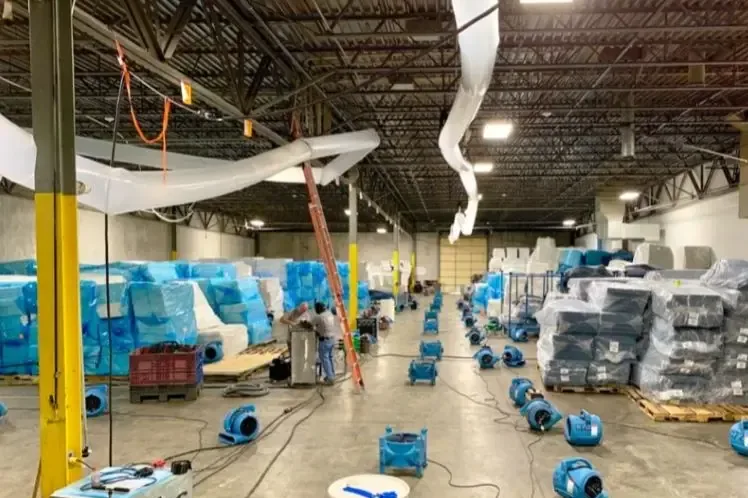
How the commercial water damage team works
Rapid local response
The response team handles urgent water losses through 24/7 dispatch. The initial discussion identifies active water, unsafe rooms, affected materials and access so the assessment begins with the right priorities.
IICRC S500 drying standard
The drying crew sets material-specific goals using the IICRC S500 standard. Extraction, humidity control and repeated meter readings work together to address moisture beyond a floor that merely looks dry.
Claim-ready documentation
The mitigation team records the source description, room measurements and visible damage before removal. Dated photographs and daily moisture records keep the drying work understandable for the owner and the adjuster.
Local water experts
The restoration assessment distinguishes indoor supply failures from rainwater entry. Technicians inspect the actual wall and floor assembly, explain access needs and keep occupied areas separate from equipment and wet materials.
First steps for commercial water damage in Monrovia
- Identify the authorized contact. Provide a representative who can coordinate access and decisions about finishes. This keeps source repair, cleanup and operational questions moving through a clear point of responsibility.
- Separate staff from wet areas. Direct routine movement away from affected flooring and equipment. Essential routes should be described to the team before hoses or drying units are placed in the premises.
- Record contents by location. Photographs and an inventory of affected items help distinguish business contents from building materials. Important equipment should remain available for evaluation by the appropriate specialist.
- Describe operating constraints. Share delivery needs, occupied rooms and restricted areas. The assessment can consider how the cleanup boundary interacts with daily use and access arrangements.
What does commercial water damage cost in Monrovia, CA?
Monrovia commercial cleanup costs reflect affected materials, room access and the coordination needed within an occupied property. The estimate should distinguish extraction, cleaning, drying and reconstruction, with contents handling or specialist equipment evaluation identified separately where those services are required.
Contained business room
- Room boundary assessment
- Accessible water collection
- Focused equipment layout
Several operational spaces
- Shared access coordination
- Connected material evaluation
- Expanded drying arrangement
Complex occupied property
- Phased work planning
- Broader finish access
- Detailed operational handoff
Documentation for your insurance claim
The restoration team records a moisture map, daily psychrometric logs, timestamped pre-demolition photos, water category and material class. A line-item scope explains the equipment and removal work. Sudden accidental leaks, long-running damage, sewer backups and outdoor floods have different policy terms. The homeowner checks coverage with the insurer. The water damage cost calculator offers a planning range; category, square footage, material class and drying delay shape the actual scope.
The commercial water damage process
Assess the property use
The assessment identifies affected rooms, essential activity and the authorized contact. Source status and building material observations are considered alongside the access needed by staff and other occupants.
Set a clear cleanup boundary
The team plans extraction, waste movement and equipment routes around the wet footprint. The property representative explains restrictions so employees understand which passages and rooms remain outside routine use.
Treat the affected building materials
Removal and drying follow the actual assemblies and water condition. Progress checks identify when access or equipment needs to change, with those changes communicated to the responsible property contact.
Coordinate the next operating stage
The handoff separates completed mitigation, continuing restrictions and reconstruction needs. The business can then plan room use with an explanation of retained material conditions and the repair work still outstanding.
A wet storage room and a wet public entrance create different operating problems. Monrovia's Technology Corridor provides a local commercial setting, while Myrtle Avenue and Huntington Drive are useful property location references. The restoration assessment begins inside the actual premises, identifying affected materials and the routes people need to use around them.
Assign decisions before moving equipment
A business loss may involve an owner, tenant, facility contact and source repair trade. A named authorized representative helps resolve questions about access, contents movement and opening finishes. The team also needs to understand deliveries, shared entrances and spaces containing equipment that should not be moved casually during cleanup.
- Identify who can approve building material access.
- Describe essential routes and restricted operational areas.
- Separate damaged inventory records from the building scope.
Build a workable boundary around the loss
The wet footprint determines extraction and drying needs, while occupancy determines how that work can be separated. The assessment should address hose routes, equipment placement and entry to adjoining rooms. A business near Colorado Boulevard may need to preserve a dry staff passage while another property needs access coordinated around its loading or storage use.
The water removal service clears accessible liquid within the assessed area. Contaminated water requires handling appropriate to its source and contact history. Work boundaries should remain understandable to employees and visitors, with changes communicated when a newly opened layer extends the affected footprint.
Track the building work separately from operations
A room may be dry enough for one activity while still unsuitable for another because of open finishes, equipment or ongoing repairs. The property representative needs a specific explanation of those limits. A designated contents holding area can preserve access for the cleanup crew. Important contents and business equipment may require separate evaluation by the appropriate specialist rather than inclusion in ordinary material drying.
The structural drying scope records retained building materials and their response to treatment. The handoff should identify the areas addressed, remaining reconstruction and any continued access restrictions. That record lets the business plan the next stage around defined room conditions instead of relying on the appearance of a cleared floor.
Commercial water damage in Monrovia
Commercial assessments include the Technology Corridor and properties around Myrtle Avenue, Huntington Drive and Colorado Boulevard. The business contact should identify the affected rooms, essential entrances and any delivery or shared access needs that influence the cleanup arrangement.
The same service nearby: commercial water damage in Duarte, Arcadia, Sierra Madre.
Related water damage services in Monrovia
Commercial Water Damage questions in Monrovia, CA
A clearer next step
Describe the affected business rooms and the routes needed for daily activity. A clear property contact and access picture help the assessment connect material recovery with the practical use of the premises.
(888) 578-6508Assess the business cleanup boundaryCan a business remain open during cleanup?
That depends on water condition, electrical safety, access and the ability to separate the work from occupied areas. The property needs an assessment of those conditions before operating decisions are made. A specific room and route plan is more useful than assuming that every part of the premises can remain accessible.
Who should authorize wall or flooring removal?
The property should identify a representative with authority over building work, especially when tenant and owner responsibilities differ. That contact coordinates access decisions and communicates with the repair trades. A clear approval path helps explain why a finish needs opening and who will arrange its reconstruction after mitigation.
Are business computers included in building drying?
Electronic equipment can require separate evaluation by an appropriate specialist. The restoration scope primarily addresses the affected building materials and the cleanup arrangement. The business should identify important equipment and avoid energizing wet devices, while keeping contents records separate from the wall, ceiling and flooring repair documentation.
Why plan the hose route before extraction?
Hoses and equipment can interrupt a shared entrance or essential staff passage. Planning their route helps separate removal work from occupied areas and reduces unnecessary changes during the job. The assessment should account for both the wet footprint and the access that the property needs to maintain safely.
Can repairs proceed in one room while another dries?
A phased approach depends on separation, material conditions and safe access between work areas. The team and property representative should assess the actual layout before scheduling overlapping trades. The plan needs to explain which spaces are ready for repair and which still require equipment, measurements or additional source investigation.
What belongs in the final business handoff?
The record should identify affected rooms, materials removed, retained components assessed and work still needed. It should also explain any remaining access restrictions or specialist contents concerns. That information helps the business coordinate contractors and room use without confusing completed water removal with the end of every repair task.
Plan the next operating stage around room conditions
The mitigation team can evaluate wet assemblies, equipment routes and the repair handoff for the property's responsible representative.
(888) 578-6508Request an occupied property water assessment