Sewage Backup Cleanup in Monrovia, CA
Wastewater on a bathroom floor changes how the room can be used. Monrovia sewage cleanup centers on restricted access, drain repair coordination and careful decisions about every surface the overflow touched.
(888) 578-6508Discuss the wastewater contact boundary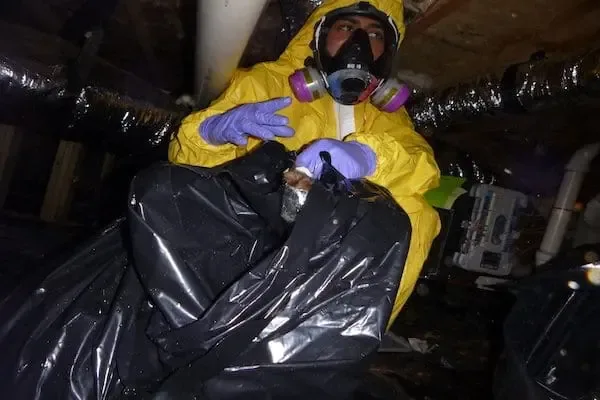
How the sewage backup cleanup team works
Rapid local response
The response team handles urgent water losses through 24/7 dispatch. The initial discussion identifies active water, unsafe rooms, affected materials and access so the assessment begins with the right priorities.
IICRC S500 drying standard
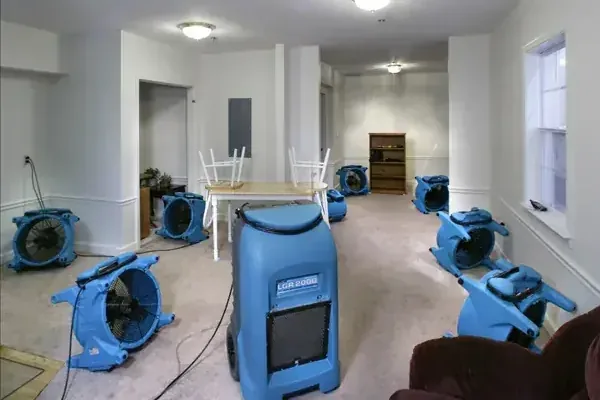
The drying crew sets material-specific goals using the IICRC S500 standard. Extraction, humidity control and repeated meter readings work together to address moisture beyond a floor that merely looks dry.
Claim-ready documentation
The mitigation team records the source description, room measurements and visible damage before removal. Dated photographs and daily moisture records keep the drying work understandable for the owner and the adjuster.
Local water experts
The restoration assessment distinguishes indoor supply failures from rainwater entry. Technicians inspect the actual wall and floor assembly, explain access needs and keep occupied areas separate from equipment and wet materials.
First steps for sewage backup cleanup in Monrovia
- Stop household traffic. Keep occupants outside the affected bathroom and any wet adjoining passage. A closed door can help communicate the boundary when it is safe to use.
- Avoid adding drainage flow. Connected fixtures should remain unused until the drain problem is assessed. Further flushing or washing can increase the volume inside the affected room.
- Notify the property contact. Tenants should report the backup location and affected materials to the owner or manager, including whether the only bathroom or exit route is involved.
- Leave contaminated items in place. Moving absorbent belongings through the home can spread residue. Document their position from a clean area and await a controlled handling plan.
What does sewage backup cleanup cost in Monrovia, CA?
Monrovia sewage cleanup costs reflect contamination spread, porous material removal and the ability to separate the work area. A written scope should identify extraction, cleaning, waste handling and drying, while keeping drain repair and later finish reconstruction clearly identified as separate work.
Contained hard-surface room
- Room boundary setup
- Controlled liquid collection
- Hard surface cleaning
Porous material exposure
- Affected finish removal
- Contained waste handling
- Retained surface treatment
Extensive contamination
- Connected area separation
- Expanded material assessment
- Cleaning and drying coordination
Documentation for your insurance claim
The restoration team records a moisture map, daily psychrometric logs, timestamped pre-demolition photos, water category and material class. A line-item scope explains the equipment and removal work. Sudden accidental leaks, long-running damage, sewer backups and outdoor floods have different policy terms. The homeowner checks coverage with the insurer. The water damage cost calculator offers a planning range; category, square footage, material class and drying delay shape the actual scope.
The sewage backup cleanup process
Define contaminated access
The assessment identifies affected rooms, connected drainage concerns and the clean approach. Occupant movement is planned around the work boundary before removal equipment enters.
Remove liquid and residue
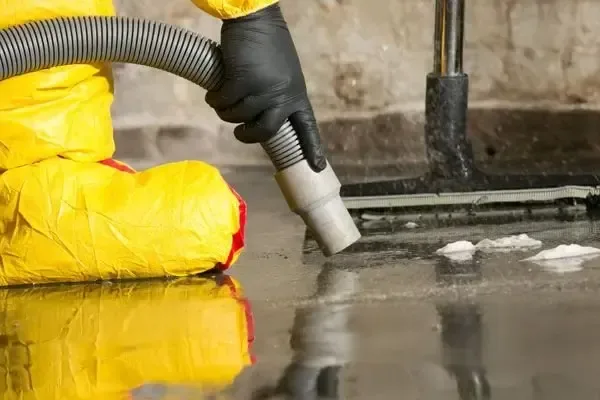
Controlled collection reduces standing wastewater. The crew evaluates contacted contents and finishes as the floor becomes visible, documenting materials that require separate removal or handling.
Clean the retained assembly
Suitable surfaces receive cleaning appropriate to the exposure. Waste and tools leave through a managed route that protects unaffected parts of the occupied building.
Dry and assess the space
The remaining structure is assessed for moisture after cleaning. The handoff explains equipment needs, unfinished repairs and any restrictions that continue before normal room use.
The first useful boundary is the doorway. People walking through sewage can carry contamination into rooms that were initially unaffected. In Monrovia, renters occupied 53.6% of occupied housing in the 2020 census. A tenant discovering wastewater should notify the property manager while keeping people and pets away from the affected space.
Coordinate the drain and the room separately
Clearing a drain addresses the source of the backup. The restoration task addresses the water, residue and contacted building materials left behind. The owner needs both scopes explained, including whether use of connected fixtures must stop while a plumbing professional investigates. Repeated flushing can add water to an unresolved backup.
- Keep footwear and cleanup tools inside the restricted area.
- Record the rooms reached without stepping into wastewater.
- Identify the owner contact for material removal decisions.
Make a contact map before moving contents
A property around Myrtle Avenue may have a bathroom opening into a hall, closet or living area. The cleanup assessment follows the actual path across those thresholds. Absorbent belongings and wall finishes require different decisions from intact hard surfaces. A material can look acceptable above the wet edge while its lower section has absorbed wastewater.
Near Foothill Boulevard or Huntington Drive, the same practical question applies: which surfaces were contacted, and which can be reached for effective cleaning? The town restoration services include other water losses, but sewage requires handling appropriate to the contamination. Ordinary room fans should not be used to circulate air across untreated sewage residue.
Finish cleaning before planning reoccupation
Controlled extraction removes the liquid. Removal of unsuitable porous materials and cleaning of retained surfaces follow the assessed contact area. The crew manages waste movement so bags, tools and footwear do not create a second cleanup route through the home.
Once the contamination work is addressed, material drying deals with moisture remaining in the retained structure. The owner and occupants need a clear explanation of restricted areas, remaining repairs and the conditions for resuming room use. A fresh appearance or a reduced odor alone is not an adequate basis for ending the work.
Sewage backup cleanup in Monrovia
Cleanup assessments include homes near Myrtle Avenue, Foothill Boulevard and Huntington Drive. For a rental, the owner contact and a description of shared hallways are useful alongside the affected room, fixture location and available clean entrance.
The same service nearby: sewage backup cleanup in Duarte, Arcadia, Sierra Madre.
Related water damage services in Monrovia
Sewage Backup Cleanup questions in Monrovia, CA
A clearer next step
Describe the backed up fixture, contacted rooms and any shared route. Those details help establish a clean approach and identify the owner decisions needed for controlled removal.
(888) 578-6508Assess the contaminated room boundaryCan a toilet backup be cleaned like a supply leak?
Wastewater requires different handling because the contacted surfaces and residue can carry contamination. The room should remain restricted while the drain and cleanup needs are assessed. Material decisions consider contact history and absorbency, rather than treating the overflow as an ordinary puddle that only needs drying.
Should a tenant remove the wet baseboards?
Building finish removal should be coordinated with the owner or property manager. Disturbing contaminated trim without a controlled plan can spread residue and obscure the original contact area. The tenant can document visible damage safely and report which rooms or fixtures are affected before demolition decisions are made.
Does removing the water make the floor ready?
Extraction removes liquid but can leave residue and moisture in seams or porous layers. Retained surfaces still require suitable cleaning, and affected absorbent materials need evaluation. Room use should follow the cleanup assessment and remaining repair needs, rather than the disappearance of the visible wastewater alone.
Why keep household fans switched off?
Air movement over untreated sewage can distribute contamination beyond the original contact zone. Equipment use should follow the cleanup sequence and the condition of the surfaces. The team can establish when drying airflow is appropriate after removal and cleaning have addressed the affected room and its materials.
What if the overflow reaches a shared hallway?
The contact boundary extends wherever wastewater traveled. Management should be notified so occupants can avoid that route and another safe passage can be considered. Cleanup planning must account for doors, footwear and material movement through the shared space, not just the fixture where the backup first appeared.
Can a stained wall be painted after cleanup?
Painting is a finish step and cannot substitute for evaluating an exposed wall assembly. Contacted porous material may need removal, while retained components require cleaning and drying. The repair plan should describe those decisions before a new coating or replacement surface conceals the lower wall again.
Keep the cleanup route contained
The mitigation team can assess contacted finishes and the sequence from wastewater removal through cleaning and material drying.
(888) 578-6508Request a wastewater room assessment