Commercial Water Damage Restoration in Azusa, CA
A business water loss can interrupt access before it damages every room. Commercial restoration in Azusa begins with a space inventory, separating wet work areas from the entrances, contents, and operations that need protection.
(888) 578-6508Describe the business rooms and access needs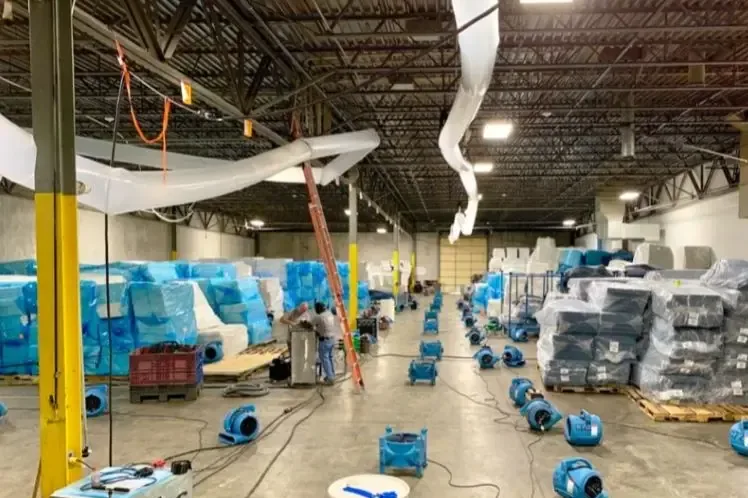
How the commercial water damage team works
Rapid local response
The response team handles urgent water losses through 24/7 dispatch. The initial discussion identifies active water, unsafe rooms, affected materials and access so the assessment begins with the right priorities.
IICRC S500 drying standard
The drying crew sets material-specific goals using the IICRC S500 standard. Extraction, humidity control and repeated meter readings work together to address moisture beyond a floor that merely looks dry.
Claim-ready documentation
The mitigation team records the source description, room measurements and visible damage before removal. Dated photographs and daily moisture records keep the drying work understandable for the owner and the adjuster.
Local water experts
The restoration assessment distinguishes indoor supply failures from rainwater entry. Technicians inspect the actual wall and floor assembly, explain access needs and keep occupied areas separate from equipment and wet materials.
First steps for commercial water damage in Azusa
- Name the property decision maker. A designated contact coordinates source service, access, and approval of material work so changes can be assessed as inspection reveals additional affected areas.
- Identify operational access needs. The business should describe occupied rooms, public entrances, and necessary staff routes before equipment staging so the crew can separate the wet work area from suitable dry circulation.
- Record stock and equipment exposure. Photographs and a room based inventory should distinguish business contents from building finishes, preserving the condition of items before movement or authorized disposal decisions change the space.
- Report the continuing source conditions. Repeated releases and active fixture problems should be communicated before cleanup progresses, allowing source repair and restoration to proceed in a coordinated sequence.
What does commercial water damage cost in Azusa, CA?
Commercial restoration pricing in Azusa depends on affected assemblies, contents handling, access restrictions, and the building's operating conditions. Separate rooms may need distinct equipment arrangements. The written scope should identify cleanup and drying costs alongside source repairs, finish replacement, and any separately managed business contents work.
Contained business room
- Localized room assessment
- Accessible water removal
- Focused material drying arrangement
Several operational spaces
- Multiple work area mapping
- Contents access coordination
- Expanded material moisture monitoring
Complex occupied property
- Detailed access and staging plan
- Broader material handling scope
- Coordinated drying and repair documentation
Documentation for your insurance claim
The restoration team records a moisture map, daily psychrometric logs, timestamped pre-demolition photos, water category and material class. A line-item scope explains the equipment and removal work. Sudden accidental leaks, long-running damage, sewer backups and outdoor floods have different policy terms. The homeowner checks coverage with the insurer. The water damage cost calculator offers a planning range; category, square footage, material class and drying delay shape the actual scope.
The commercial water damage process
Inventory spaces and responsibilities
The assessment identifies wet rooms, contents exposure, authorized contacts, and operating needs. These details establish inspection boundaries and a clear way to communicate additional findings.
Set collection and material routes
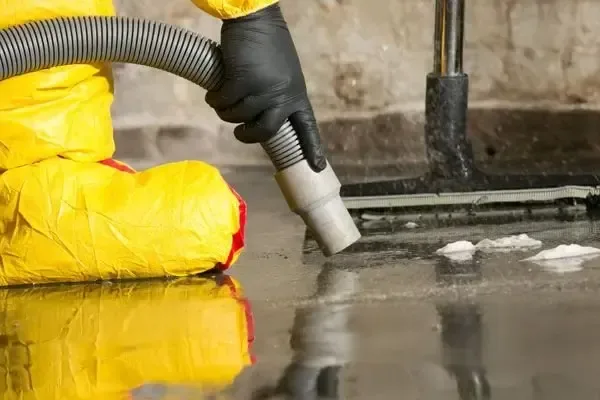
Equipment staging and contents movement follow suitable access. The crew collects water and documents materials needing cleaning or removal before the retained assembly can dry.
Dry each affected work area
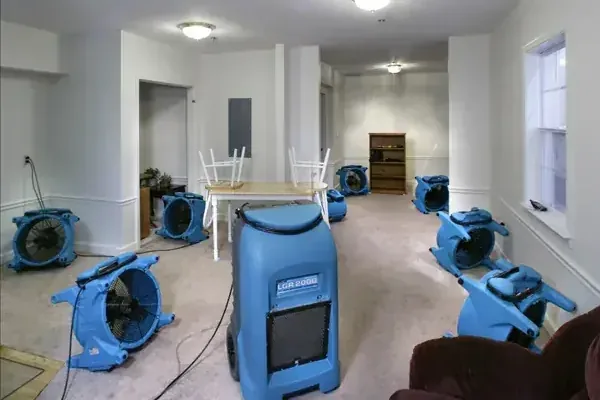
Separate zones receive equipment suited to their components and access. Readings identify progress within each area and support changes to the drying arrangement as needed.
Hand off the next repair stage
Closing notes identify completed treatment, material observations, and outstanding work. The business contact coordinates room use and repairs around the documented condition of each space.
A commercial loss needs an inventory of how the affected space functions as well as where water traveled. Stock, equipment, records, and public access can all change the cleanup sequence. The property contact should identify spaces that must remain restricted, items requiring special handling, and the person authorized to approve changes as concealed damage becomes visible.
Organize the property around usable access
Azusa Pacific University is a private university in the city. Foothill Boulevard and Alosta Avenue carry Historic Route 66 through the city. In buildings serving these local corridors and institutions, restoration planning should account for the property's actual entrances, occupied rooms, and movement of staff or visitors during the work.
The downtown station is adjacent to City Hall. A business assessment near that setting still starts inside the affected building: which passage is wet, where equipment can enter, and whether the planned route conflicts with an occupied area. Those details make a removal plan workable for the individual property.
Separate contents decisions from building treatment
Business contents may need photography, inventory, and an authorized disposition decision before they move. Wet shelving bases and stored cartons can also conceal floor exposure. The crew should establish a staging area and record which surfaces become accessible when contents are relocated, updating the moisture map when new damage appears.
- Identify the contact authorized to approve scope changes.
- Map affected rooms and the routes between them.
- Document contents before moving or removing damaged items.
- Keep equipment routes clear of occupied dry areas.
Measure progress by work area
The City of Azusa operates a municipal water utility, and Azusa Public Works lists sewer maintenance through its Streets Division. Source coordination depends on the actual release. Interior extraction can then lead into structural drying after necessary cleaning and material access.
Separate work areas may contain different finishes and drying conditions, so the progress record should identify the materials in each zone. Operational needs can inform scheduling, but room use depends on safety and the remaining treatment. The handoff should state which spaces are ready for the next repair stage and which still require restrictions, replacement work, or additional source attention.
Commercial water damage in Azusa
Commercial assessments serve Azusa properties along Foothill Boulevard and Alosta Avenue, with access planning based on each building's entrances and occupied spaces. The business contact should describe the wet rooms, contents at risk, and any operational routes that need particular attention during cleanup.
The same service nearby: commercial water damage in Duarte, Monrovia, Baldwin Park.
Related water damage services in Azusa
Commercial Water Damage questions in Azusa, CA
A clearer next step
Organize the water loss around the business space
(888) 578-6508Describe affected rooms, contents, and occupied routes so the assessment can establish workable areas for collection, material access, and drying.Can the business remain open during restoration?
That depends on safety, contamination, access, and the separation available between affected and occupied spaces. The assessment should identify restrictions for each work area. Operational preferences can shape scheduling, but room use must follow the actual building condition and the treatment still required there.
Who should approve changes to the work scope?
The property should designate an authorized contact before cleanup begins. Newly exposed wet materials can require changes to removal or drying arrangements. Documented findings allow that contact to evaluate the reason for additional work and coordinate the decision with the owner, tenant, or other responsible party.
How should stock and records be handled?
Affected contents should be photographed and inventoried before movement or disposal decisions. Their handling needs may differ from those of building materials. A defined staging area helps keep reviewed items separate from unaffected stock and exposes hidden floor surfaces for a more complete damage assessment.
Why divide the building into drying areas?
Different rooms can have different finishes, access, and moisture levels after the same release. Separate readings and equipment plans make progress easier to interpret. The crew can then adjust treatment where needed, using separate material observations for each affected room throughout the property.
Can equipment routes cross occupied entrances?
Access planning should minimize conflicts between the work and suitable occupied routes. The crew and property contact need to examine entrances, cords, hoses, and material movement together. Where safe separation cannot be maintained, that area may need restrictions until the relevant cleanup or equipment work changes.
What records help coordinate later building repairs?
Room inventories, photographs, removal notes, and material readings establish what was affected and what remains. The handoff should identify outstanding source work and finish replacement by area. That detail helps the business schedule follow-on contractors and understand which spaces still have treatment or access restrictions.
Discuss the work areas and operating access
Identify the contact who can authorize changes during cleanup.
(888) 578-6508A room based record helps connect the restoration work with the next building repair stage.