Sewage Backup Cleanup in Azusa, CA
A drain overflow changes how the affected room can be used. Sewage cleanup in Azusa begins with keeping people outside the contact area and assessing what the wastewater reached before equipment circulates air.
(888) 578-6508Describe the wastewater contact area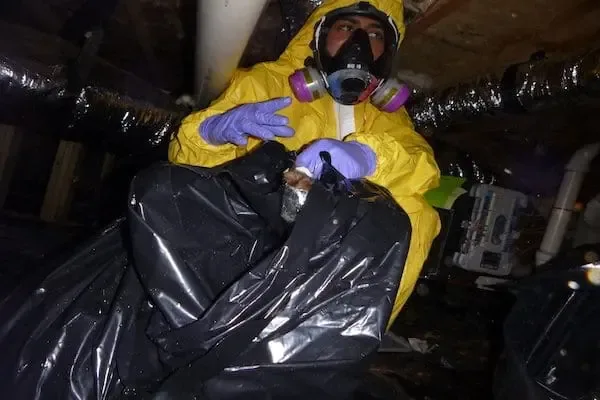
How the sewage backup cleanup team works
Rapid local response
The response team handles urgent water losses through 24/7 dispatch. The initial discussion identifies active water, unsafe rooms, affected materials and access so the assessment begins with the right priorities.
IICRC S500 drying standard
The drying crew sets material-specific goals using the IICRC S500 standard. Extraction, humidity control and repeated meter readings work together to address moisture beyond a floor that merely looks dry.
Claim-ready documentation
The mitigation team records the source description, room measurements and visible damage before removal. Dated photographs and daily moisture records keep the drying work understandable for the owner and the adjuster.
Local water experts
The restoration assessment distinguishes indoor supply failures from rainwater entry. Technicians inspect the actual wall and floor assembly, explain access needs and keep occupied areas separate from equipment and wet materials.
First steps for sewage backup cleanup in Azusa
- Close the room to occupants. Children, pets, and unnecessary foot traffic should stay away from the overflow and any hallway where wastewater has been tracked during the initial incident.
- Limit further fixture use. Fixtures connected to the suspected backup should remain unused until the source has been assessed, reducing the chance of another release during cleanup planning.
- Preserve the contamination record. Photographs from a safe position should show affected floor areas, fixture overflow points, and absorbent belongings without moving contaminated items into a clean room.
- Arrange controlled access. The cleanup team needs a route for equipment and removed materials that accounts for occupied spaces, shared entrances, and the location of unaffected belongings.
What does sewage backup cleanup cost in Azusa, CA?
Sewage cleanup in Azusa is priced around the wastewater contact area and the materials it affected. Porous finishes, hidden spread, and difficult removal routes can increase the scope. An estimate should list containment, disposal, surface cleaning, and drying as identifiable tasks.
Contained hard-surface room
- Controlled water collection
- Accessible surface cleaning
- Room boundary protection
Porous material exposure
- Absorbent finish assessment
- Contaminated material removal
- Retained surface treatment
Extensive contamination
- Expanded contact area assessment
- Managed material transport route
- Larger cleaning and drying scope
Documentation for your insurance claim
The restoration team records a moisture map, daily psychrometric logs, timestamped pre-demolition photos, water category and material class. A line-item scope explains the equipment and removal work. Sudden accidental leaks, long-running damage, sewer backups and outdoor floods have different policy terms. The homeowner checks coverage with the insurer. The water damage cost calculator offers a planning range; category, square footage, material class and drying delay shape the actual scope.
The sewage backup cleanup process
Establish the contact boundary
The crew maps wastewater exposure and possible transfer paths, then defines the room separation and access precautions needed before collection or removal work begins.
Remove contaminated water and materials
Collection methods and disposal handling are selected around the affected surfaces. Unsalvageable absorbent components are documented and removed through the planned work route.
Clean the remaining surfaces
Retained components receive cleaning appropriate to their material and exposure. The team checks edges and junctions where contamination could remain after the visible water disappears.
Assess moisture after cleaning
The drying plan addresses water still held by retained building materials. Completion notes connect the cleaned areas with moisture findings and the components awaiting replacement.
A sewage release needs a defined contact boundary before anyone begins moving belongings through the room. Shoes, furniture feet, and cleaning tools can carry contaminated water beyond the original puddle. The cleanup plan identifies the entry route, isolates affected contents, and keeps the removal path separate from occupied dry areas wherever the building allows.
Separate the drain problem from room cleanup
Azusa Public Works lists sewer maintenance under its Streets Division. Reporting a suspected public sewer issue is a separate action from making the affected interior safe to assess. A drain contractor may need to identify the blockage or continuing source while the restoration team defines the material cleanup boundary.
The Great Park project site is served by an existing city-owned sewer in Azusa Veterans Way. For a property in Great Park Neighborhood, the useful starting details are which fixtures backed up and which rooms received water. That fixture history helps the responsible contractor investigate while the crew records the indoor contact path.
Make removal decisions by material
Wastewater that reaches absorbent padding, insulation, or damaged wallboard requires different handling from water on an accessible hard surface. The crew evaluates what can be cleaned and what needs controlled removal. Contents should be photographed before disposal decisions, and any items awaiting decisions need separation from unaffected belongings.
- Restrict access to the contaminated room and its transfer route.
- Avoid household fans that can move contamination around.
- Record porous finishes reached by the overflow.
- Keep removed materials contained during transport through the property.
Clean first, then address retained moisture
The Promenade District contains the Great Park project site. In an occupied building, the cleanup sequence should account for the entrances and passages residents still need. Cleaning exposed surfaces precedes a drying arrangement designed for the retained assembly. A dry appearance cannot substitute for removing contamination from a surface.
The City of Azusa and its Public Works department are relevant contacts for municipal service concerns. Interior water removal and subsequent material drying belong in the property-specific work record. The final scope should identify cleaned surfaces, removed materials, remaining damp components, and any replacement work needed before the room returns to ordinary use.
Sewage backup cleanup in Azusa
Sewage assessments serve local properties in the Promenade District and along Foothill Boulevard. Before entry, the property contact should identify affected fixtures, shared passages, and any repeated overflow so cleanup access can be organized around the actual contamination boundary.
The same service nearby: sewage backup cleanup in Duarte, Monrovia, Baldwin Park.
Related water damage services in Azusa
Sewage Backup Cleanup questions in Azusa, CA
A clearer next step
Keep the overflow contact area contained
(888) 578-6508Describe affected fixtures, floor materials, and the route through the building so the cleanup assessment can establish safe boundaries.Can a household fan help after a sewage overflow?
Air movement should wait until the contaminated area has been assessed and the appropriate cleanup steps are complete. A household fan can move contamination beyond the original contact area. The restoration plan determines when and where drying equipment can operate around the retained materials.
Should belongings be carried into another room?
Contaminated belongings need careful separation and handling. Moving them through a dry room can spread wastewater onto new surfaces. The crew should document affected items and establish a movement route before deciding what can be cleaned, stored for assessment, or removed from the property.
Does stopping the backup finish the job?
Clearing the source prevents further overflow but leaves the wastewater already inside the room. That contact area still needs material assessment, controlled removal, and cleaning. Moisture checks then identify retained components that require drying before damaged finishes can be repaired or replaced.
Which materials are harder to retain?
Absorbent materials can hold contamination inside layers that are difficult to clean effectively. Padding, insulation, and damaged porous finishes therefore require close assessment. The decision should follow the specific material and exposure rather than treating every wet item as either salvageable or disposable.
What should residents report about the incident?
Useful observations include the fixture where water appeared, any other drains reacting at the same time, and the rooms reached by the overflow. Residents can also report whether the backup recurred. Those details support source investigation and help define the interior cleanup boundary.
When can the affected room be used again?
Room use depends on completed contamination removal, the condition of retained surfaces, and any remaining drying or repair work. The cleanup team should explain the current restrictions and document the areas still under treatment. Normal use should follow the actual condition of the room.
Discuss the contaminated room boundaries
Mention any repeated overflow before equipment enters.
(888) 578-6508A defined removal route protects occupied spaces while the affected materials are assessed.